
Discover Germany | A Visitor's Introduction to Germany
Recommended places to visit, places to stay and things to do throughout Germany
Germany is a diverse and culturally rich country located in the heart of Europe. Known for its medieval towns, cutting-edge cities, enchanting forests, and world-class beer, this fascinating country offers a blend of old-world charm and modern innovation. From the snow-capped Alps in the south to the windswept coasts of the north, Germany is a dream destination for history lovers, outdoor enthusiasts, and cultural explorers alike. With its efficient infrastructure, friendly locals, and deep-rooted traditions, Germany offers an inviting experience that caters to all types of travellers.
Why is Germany Worth a Visit?
Germany is worth visiting for its remarkable variety, both in landscape and culture. Each region has its own distinct character, dialect, cuisine, and history. Whether you’re exploring the romantic river valleys of the Rhine and Moselle, discovering the storybook castles of Bavaria, or diving into the dynamic nightlife of Berlin, you’ll find that Germany is far from one-dimensional.
This is a country that has shaped European history in profound ways, and evidence of that past—both beautiful and sobering—is present everywhere. From the well-preserved medieval towns of Rothenburg ob der Tauber and Quedlinburg, to the remnants of the Berlin Wall, Germany tells its story in layers.
Germany also stands out for its commitment to sustainability, excellent public transport, and pristine natural areas. Whether you’re hiking through the Black Forest, attending world-class music festivals, or tasting your way through wine regions, the variety of experiences on offer is staggering. Add to that a calendar full of cultural events, traditional fairs like Oktoberfest, and Christmas markets that are the stuff of dreams, and you’ll see why Germany should be on everyone’s travel list.
Germany Highlights: Things to See and Do in Germany
Berlin – A Capital of Contrast and Culture
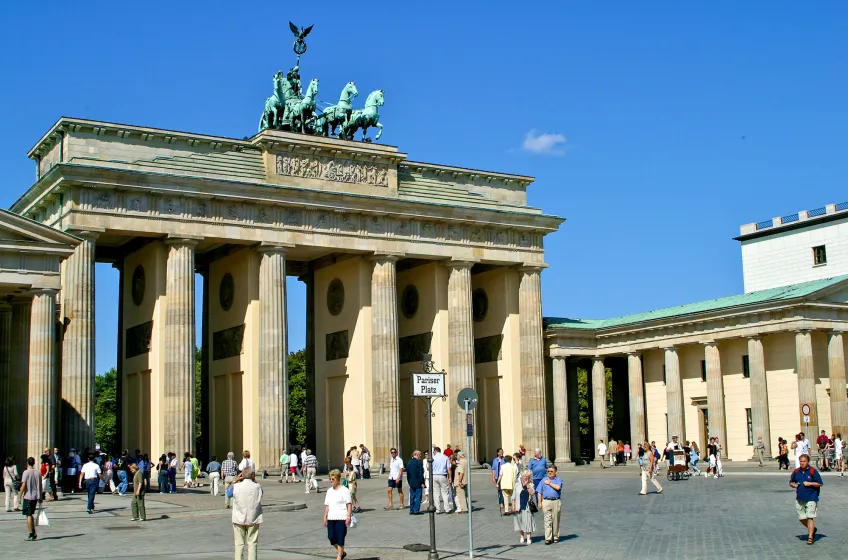
Germany’s capital is a city like no other. Berlin is a hub of history, creativity, and reinvention. The Brandenburg Gate and the Reichstag Building are iconic sights, but there’s so much more here, from world-class museums on Museum Island to vibrant street art in neighbourhoods like Kreuzberg. The Berlin Wall Memorial and Checkpoint Charlie offer moving insights into the Cold War era. Don’t miss the nightlife, either—Berlin is legendary for its clubs and live music venues.
Neuschwanstein Castle – The Fairytale Dream
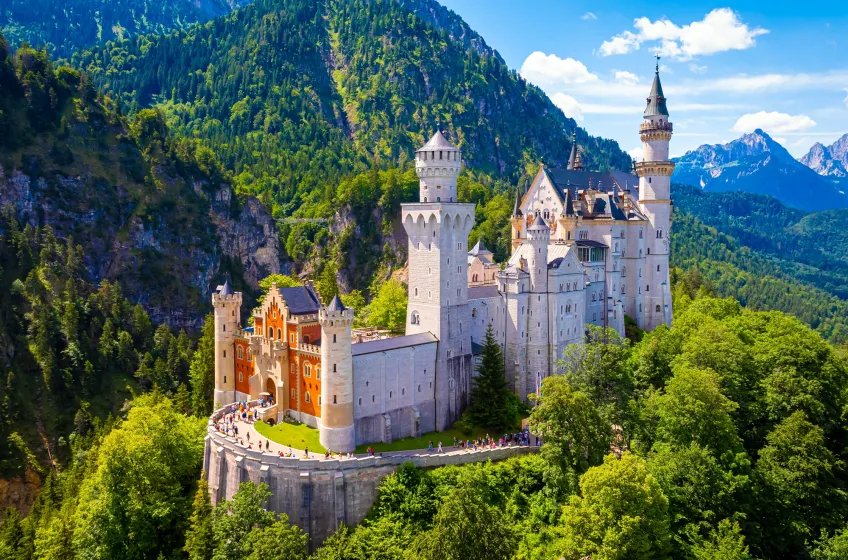
Perched on a hill in Bavaria, Neuschwanstein Castle looks like it was pulled straight from a Disney film. Commissioned by King Ludwig II in the 19th century, the castle was meant to be a personal refuge inspired by German myths and Wagnerian opera. Surrounded by alpine forests and mountains, the views are jaw-dropping. It’s especially stunning in autumn and winter. Book tickets in advance as it gets very busy.
The Romantic Road – A Journey Through Time
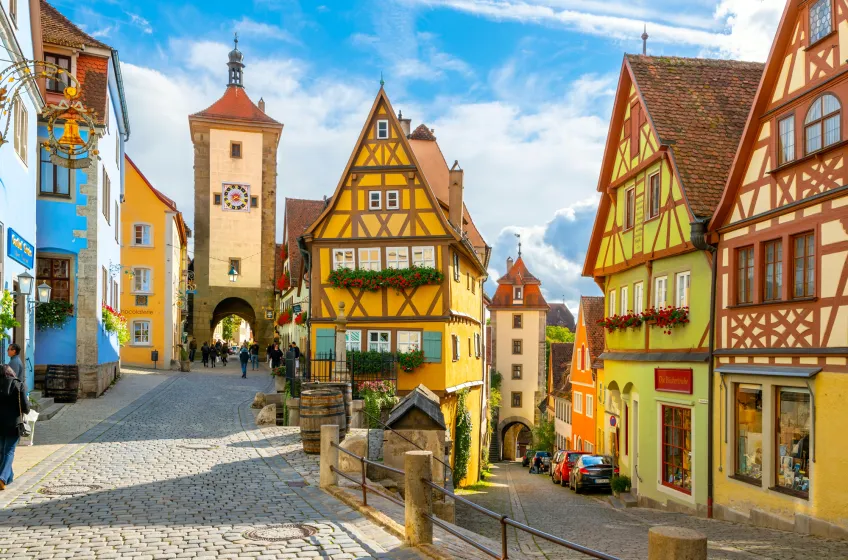
The Romantic Road is a scenic route that runs through southern Germany, connecting walled medieval towns, castles, and idyllic countryside. Highlights include Würzburg, Dinkelsbühl, and Rothenburg ob der Tauber. Driving or cycling this route feels like stepping into the pages of a history book. Many of the towns feature timber-framed houses, cobbled streets, and towers that haven’t changed much in centuries.
Munich – Beer Halls, Art and Alpine Vistas
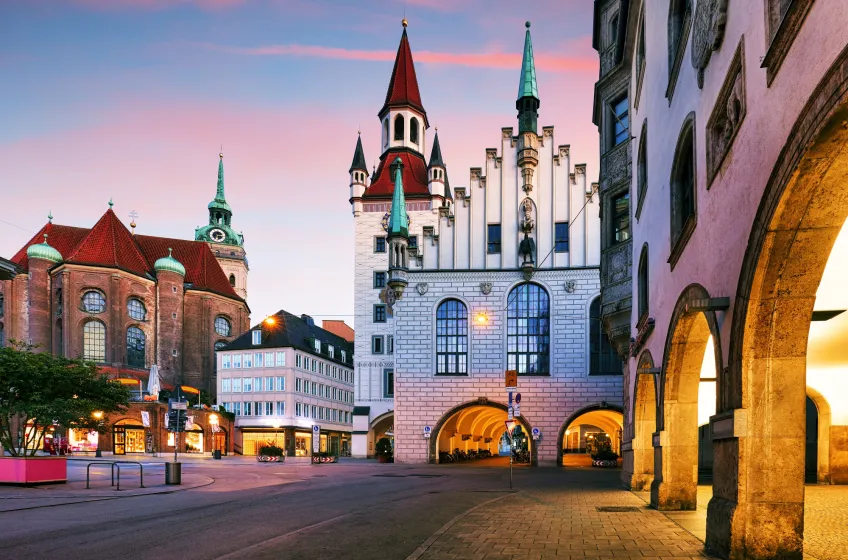
Munich, the capital of Bavaria, is famed for its beer gardens, grand palaces, and cultural sophistication. The Marienplatz, with its glockenspiel and neo-Gothic New Town Hall, is the heart of the city. Don’t miss the Deutsches Museum (great for families), the Pinakothek galleries, and the sprawling English Garden. If you’re in town during late September or early October, Oktoberfest is a raucous celebration of Bavarian culture you’ll never forget.
The Black Forest – Myths, Mountains and Cuckoo Clocks
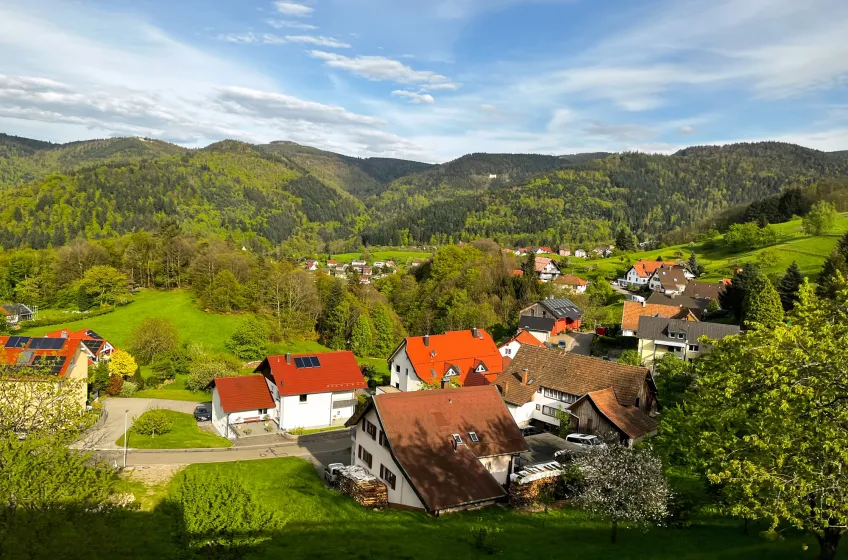
The Black Forest, or Schwarzwald, is a wooded mountain range in southwestern Germany associated with folklore and fairy tales. It’s perfect for hiking, cycling, and relaxing in spa towns like Baden-Baden. Triberg is known for its waterfalls and traditional cuckoo clocks, while the scenic Black Forest Railway offers a memorable ride through deep valleys and tunnels.
The Moselle Valley – Wine, River Cruises and Vineyards
This picturesque valley is home to some of Germany’s most beautiful wine-growing regions. The Moselle River winds past steep vineyards, Roman ruins, and charming towns like Cochem and Bernkastel-Kues. Take a river cruise, sample Riesling wines at local estates, and explore the dramatic hilltop castles overlooking the valley.
Dresden – The Baroque Jewel
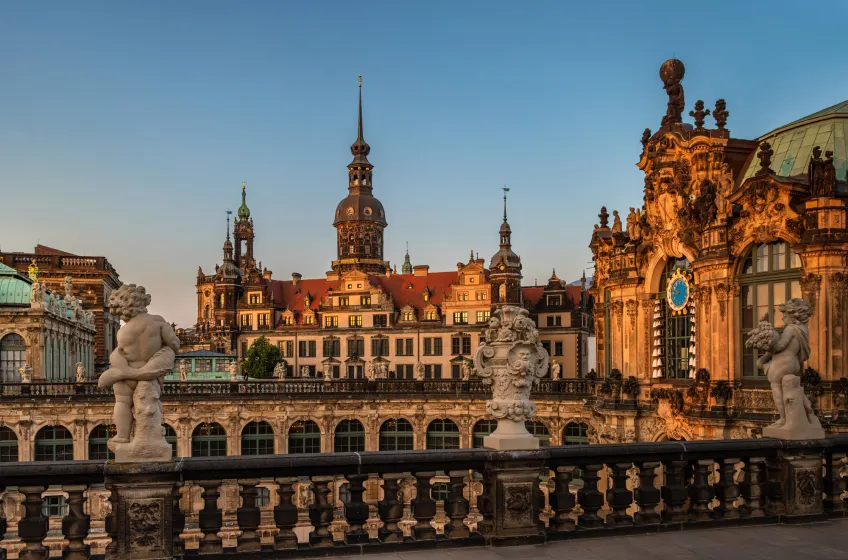
Dresden, once known as the “Florence on the Elbe,” dazzles with its baroque architecture, museums, and riverfront charm. Rebuilt after heavy bombing in World War II, the city has restored masterpieces like the Frauenkirche and the Zwinger Palace. The Semperoper is one of Germany’s most prestigious opera houses, and the surrounding Saxon Switzerland National Park offers incredible hiking.
Cologne – Cathedral City on the Rhine
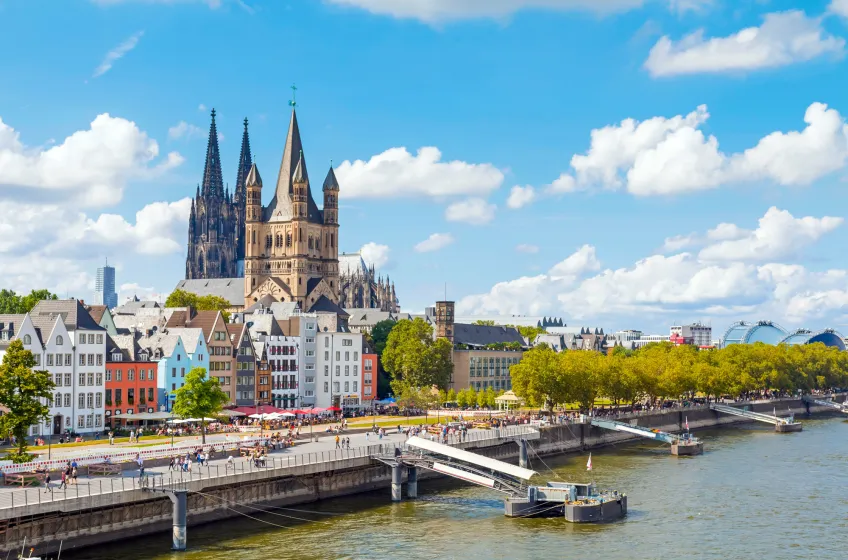
Cologne is home to Germany’s most visited landmark—the towering Cologne Cathedral (Kölner Dom). This Gothic masterpiece took over 600 years to complete and is a UNESCO World Heritage Site. The city also boasts excellent museums like the Ludwig Museum for modern art and a laid-back vibe with plenty of riverside cafes and bars. It’s a great base for exploring the Rhine Valley.
The Harz Mountains – Medieval Towns and Misty Peaks
The Harz Region is a region full of folklore and natural beauty. Towns like Goslar and Wernigerode are picture-perfect, with half-timbered buildings and cobbled squares. Take the historic Brocken Railway to the top of the Brocken mountain, often shrouded in fog and myth. The region is brilliant for hiking, particularly in the warmer months.
Hamburg – Germany’s Gateway to the World
The major port city of Hamburg in the north has a distinct maritime feel. Visit the Speicherstadt warehouse district, the ultra-modern Elbphilharmonie concert hall, and the fascinating Miniatur Wunderland, the world’s largest model railway. The Reeperbahn offers edgy nightlife, and the lakes and parks in the city centre provide a welcome contrast to its industrial history.
Heidelberg – Romance on the Neckar River
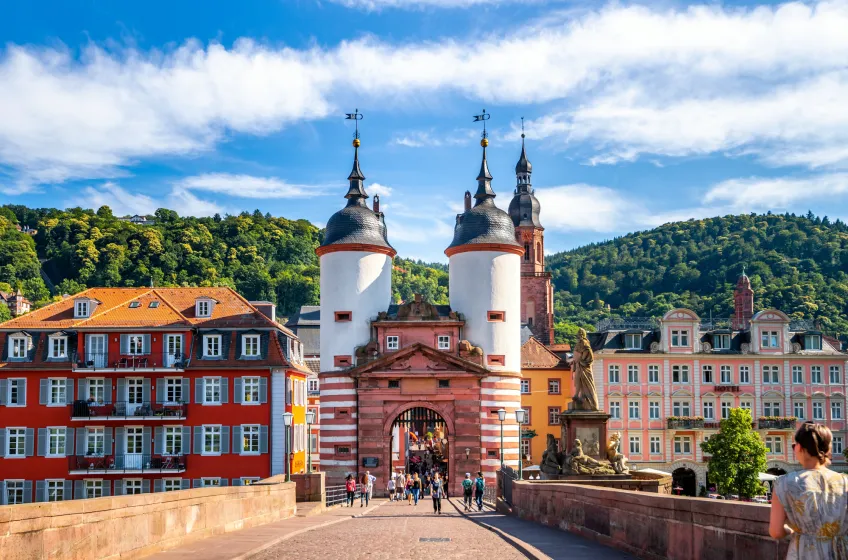
Heidelberg is often considered one of the most romantic cities in Germany. With its sandstone castle ruins overlooking the Neckar River, a charming old town, and Germany’s oldest university, it’s an enchanting stop. Stroll along the Philosopher’s Walk for a classic view of the castle and river valley, especially lovely at sunset.
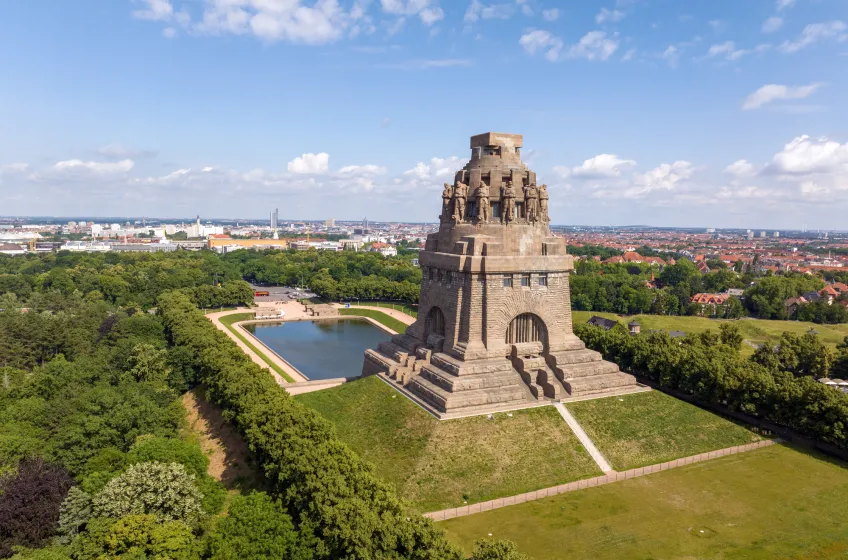
Leipzig – Music, Rebellion and Renaissance
Once a centre of trade and culture, Leipzig is now one of Germany’s rising stars. Famous composers like Bach and Mendelssohn lived here, and you can still attend concerts at St. Thomas Church where Bach once worked. The city was also pivotal in the peaceful revolution that led to the fall of the Berlin Wall. Today it’s known for its arts scene, alternative culture, and affordability.
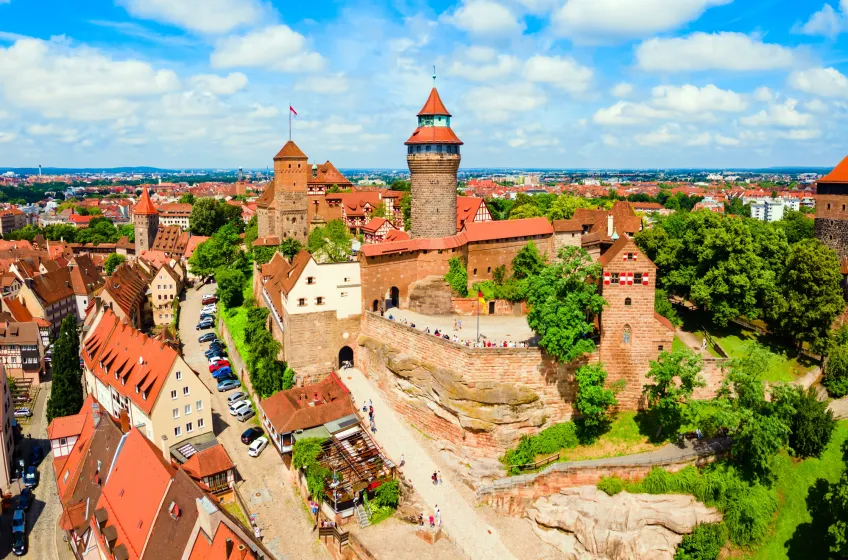
Nuremberg – History and Tradition
Known for its medieval old town, Christmas market, and WWII historical sites, Nuremberg offers a deep dive into German history. Visit the Imperial Castle, explore the underground rock-cut cellars, and learn more at the Documentation Centre about the Nazi rallies that once took place here. The city is also famed for its bratwurst and gingerbread.
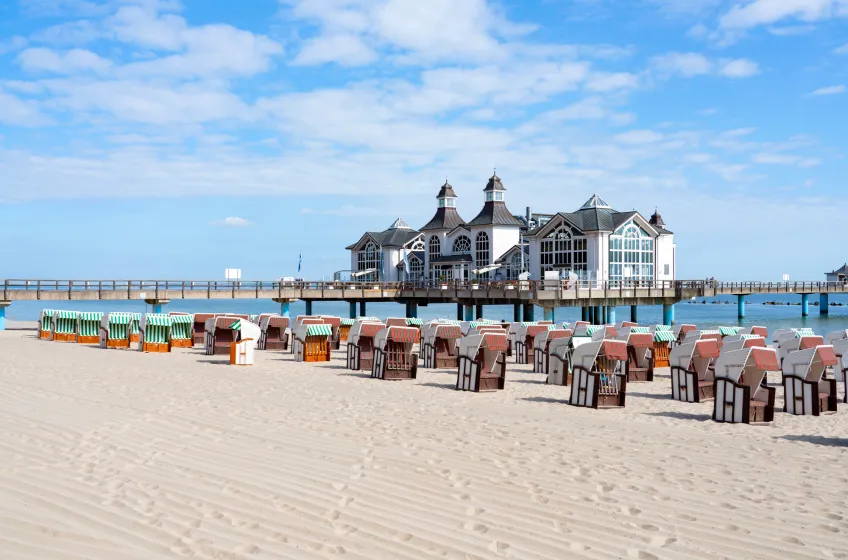
Rügen Island – Seaside Escapes and White Cliffs
Germany’s largest island, located in the Baltic Sea, Rügen is known for its chalk cliffs, sandy beaches, and seaside resorts. The Jasmund National Park is a highlight, with its dramatic coastline and beech forests. Rügen is great for cycling, walking, or just enjoying a slower pace by the sea.
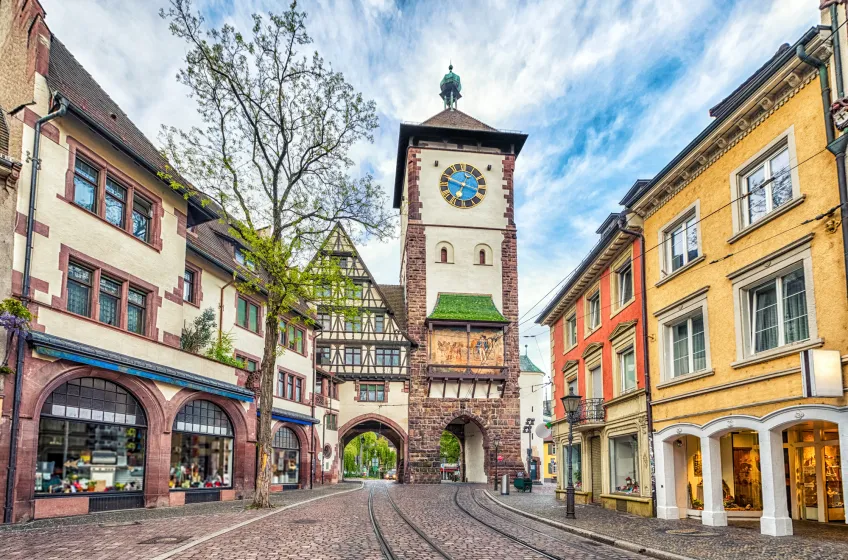
Freiburg – Sunniest City and Greenest Thinking
Often topping lists for quality of life, Freiburg is a university town in the southwest that leads the way in sustainability. It's also a great base for exploring the southern Black Forest. The town’s Gothic cathedral, colourful old town, and canal-lined streets make it both photogenic and peaceful.
Practical Advice for Visitors
Getting There
Germany is extremely well connected. International airports in Frankfurt, Munich, Berlin, and Hamburg make it easy to fly in from around the world. The Deutsche Bahn rail network is excellent, with fast ICE trains connecting major cities in just a few hours. You can also drive in from neighbouring countries, and long-distance buses offer a budget option.
From London, a train journey via Eurostar and a connection in Brussels or Paris will get you to Cologne or Frankfurt in under 6 hours. Many travellers also fly into Amsterdam or Zurich and continue by train.
Parking
In large cities, parking can be tricky and expensive. Park-and-ride schemes are available in cities like Munich and Berlin. In smaller towns, public car parks are usually available and better priced. Always check for environmental zones (Umweltzonen)—some cities require a special sticker to drive into the centre.
Dining
Germany’s food scene is surprisingly varied. Yes, sausages (Bratwurst) and schnitzels are staples, but regional cuisines offer unique twists—think Swabian Spätzle, Rhineland Sauerbraten, or Saxon Quarkkeulchen. Vegetarian and vegan options are increasingly common.
For something traditional, seek out a Gasthaus or Biergarten. Larger cities have excellent international cuisines and gourmet restaurants. Don’t miss out on breakfast (Frühstück) cafés, where you can enjoy rolls, meats, cheese, eggs, and excellent coffee. And of course, try the local beer or wine—each region has its own specialities.
Shopping
Germany is known for quality goods—whether it's Christmas decorations from the Erzgebirge, beer steins from Bavaria, or contemporary fashion in Berlin. Christmas markets are fantastic for local crafts and seasonal treats. Weekly markets (Wochenmärkte) are great for foodies, and you’ll find quirky independent shops in most towns.
Don’t forget supermarkets like REWE or Edeka for cheap snacks and drinks. And if you love books or board games, Germany’s shops are a treasure trove.
When to Visit
Germany is a year-round destination. Spring (April–June) brings blooming landscapes and fewer crowds. Summer (July–August) is lively and warm, though busier with tourists. Autumn (September–October) is ideal for wine festivals and colourful forests. Winter (November–December) is all about cosy markets and snowy scenes—especially magical in Bavaria and the Harz.
Avoid public holidays if you want to steer clear of closures and crowds. Easter, Pentecost, and early October (around Unity Day) can be especially busy.
Local Events
Germany’s calendar is packed. Key events include:
-
Oktoberfest (Munich) – Late September to early October; the world’s biggest beer festival
-
Christmas Markets – Late November to Christmas Eve; in cities like Nuremberg, Dresden, and Cologne
-
Karneval/Fasching – February or March; especially big in Cologne and Mainz
-
Bach Festival (Leipzig) – Celebrating classical music in June
-
Berlinale (Berlin Film Festival) – February; draws global cinema stars
Exploring Beyond Germany
Germany borders nine countries, making it ideal for extended European trips. You can easily explore Austria’s Alps, Switzerland’s lakes, or the canals of Amsterdam. Within Germany itself, consider:
-
Alsace, France – Just across the Rhine from Baden-Baden; full of charm and wine
-
Lake Constance – Shared with Austria and Switzerland; perfect for cycling and lake towns
-
The Alps – From Garmisch-Partenkirchen to Berchtesgaden, spectacular year-round
-
Saxon Switzerland National Park – A hiker’s paradise near the Czech border
Germany is both a destination in itself and a brilliant base for discovering Europe.
Germany is more than beer and bratwurst. It’s a country of contrasts and stories—of innovation and tradition, of solemn reminders and joyful celebrations. Whether you're wandering ancient lanes or riding high-speed trains, Germany welcomes you with open arms and endless variety.
Shortlist
- Your Shortlist is empty