
Discover Schwerin | A Visitor's Introduction to Schwerin
Recommended places to visit, places to stay and things to do in and around Schwerin
Schwerin is a picturesque city nestled in northern Germany’s Mecklenburg-Vorpommern region. Known as the "City of Seven Lakes," it’s famed for its fairy-tale Schwerin Castle, beautiful lakeside scenery, and tranquil atmosphere. As the smallest state capital in Germany, Schwerin offers a unique blend of imperial grandeur and laid-back charm, making it a perfect destination for architecture lovers, history buffs, and anyone seeking a slower pace surrounded by water and woodland.
With its romantic skyline dominated by turrets and towers, grand 19th-century buildings, and leafy parks, Schwerin offers a magical escape into a part of Germany that feels off the beaten track yet deeply rewarding.
Recommended Schwerin accommodation: Hotels Holiday Homes
Pre-book Schwerin Attractions, Tours & Experiences
Why is Schwerin Worth a Visit?
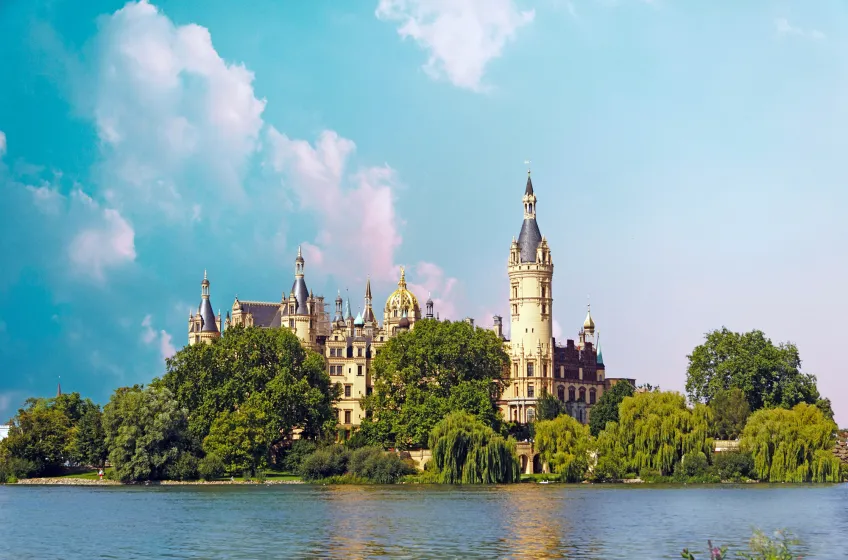
Schwerin is worth visiting for its dreamy lakeside setting, remarkable architecture, and peaceful, almost storybook-like vibe. Unlike other German cities that buzz with crowds and modernity, Schwerin remains an unhurried gem where nature and history intertwine. The city’s crown jewel is undoubtedly Schwerin Castle, often compared to Neuschwanstein for its fairy-tale appearance, but there’s far more to discover than its iconic spires.
Whether you're wandering through the narrow streets of the old town, cruising on one of the seven surrounding lakes, or admiring fine art in historic museums, Schwerin offers an elegant and immersive experience. It’s the kind of place where every corner seems to whisper stories from the past, and where nature is never more than a few minutes' walk away.
From lakeside strolls and boat tours to Baroque gardens, Gothic cathedrals, and thriving local culture, Schwerin is a destination that rewards curiosity and invites you to slow down and soak it all in.
Schwerin Highlights: Things to See and Do in Schwerin
Schwerin Castle (Schweriner Schloss)
The undeniable highlight of any trip to Schwerin is its magnificent castle. Perched on an island in Lake Schwerin, this opulent palace looks like it’s been plucked from a fairy tale. Dating back over 1,000 years in various forms, today’s castle was mainly built in the 19th century and served as the residence of the Grand Dukes of Mecklenburg.
With its golden domes, intricate turrets, and lakeside views, it’s one of the most beautiful castles in Europe. Inside, the opulent rooms and historical displays give a glimpse into royal life. Don’t miss the Throne Room, the Gallery of Ancestors, and the view from the terrace across the lake.
Schwerin Castle Garden (Schlossgarten)
Right next to the castle lies the stunning Baroque-style garden, meticulously designed with symmetrical flower beds, ornate fountains, and sweeping lawns. Perfect for a leisurely walk or a picnic, the garden also offers lovely views of the castle from different angles. The Orangery and sculptures scattered throughout the grounds make this one of the most elegant green spaces in the city.
Schwerin Cathedral (Schweriner Dom)
A striking example of North German Brick Gothic, Schwerin Cathedral stands tall in the city centre with its 117-metre spire visible from miles around. Originally built in the 13th century, it’s the oldest building in Schwerin and features stunning stained-glass windows, an ornate altar, and an atmospheric interior. If you’re up for the climb, the tower offers panoramic views over the rooftops and lakes.
Staatliches Museum Schwerin (State Museum of Schwerin)
Located beside the castle, this museum is a treasure trove of European art. It holds one of the finest collections of Dutch and Flemish masters outside the Netherlands, including works by Rubens, Rembrandt, and Jan Brueghel. The museum also features German Romanticism, 20th-century art, and contemporary exhibitions, making it a cultural must-see.
Pfaffenteich
This large pond-like lake in the centre of the city is ringed with neoclassical buildings and is a great place for a leisurely stroll. You’ll often find swans gliding across the water, and small boats sailing by. A pedestrian path encircles the lake, and in warm months, it’s popular for sitting on the banks with an ice cream or taking a ride on the historic paddle steamer, the “Petermännchen.”
Mecklenburgisches Staatstheater
For those who enjoy performing arts, Schwerin’s state theatre is an architectural gem in its own right. The building dates back to the 1880s and offers a rich programme of opera, ballet, drama, and concerts. Even if you don’t catch a performance, it’s worth admiring the façade and interior.
Old Town (Altstadt)
Schwerin’s Old Town is compact, walkable, and charmingly preserved. Cobbled streets, timber-framed houses, boutique shops, and cosy cafés create a lovely atmosphere for wandering. Be sure to check out the Market Square (Marktplatz), with the impressive Old Town Hall and the columned façade of the New Town Hall.
Lake Schwerin (Schweriner See)
Germany’s fourth-largest lake surrounds the city and provides endless opportunities for outdoor activities. Whether it’s a boat tour, kayaking, stand-up paddleboarding, or simply enjoying a lakeside drink, Schweriner See adds a peaceful, natural dimension to any visit. There are also lovely hiking and cycling trails around the lake.
Burgsee
Another smaller lake right beside the castle, Burgsee is known for its tranquil setting and picturesque views of Schwerin Castle reflecting on the water. It’s a peaceful spot for a walk, especially in the early morning or golden hour.
Marstall and Arsenal Buildings
On the castle island, you’ll also find the former stables (Marstall) and the Arsenal, both examples of imposing historic architecture. Today, the Arsenal houses the state parliament of Mecklenburg-Vorpommern. These buildings help paint a broader picture of the city's princely past.
Schwerin Zoo (Zoo Schwerin)
A great option for families, Schwerin Zoo is set in a beautiful parkland area and is home to over 1,500 animals from around the world. It’s particularly known for its natural enclosures and focus on conservation, and children will love the petting zoo and adventure playgrounds.
Practical Advice for Visitors
Getting There
Schwerin is well connected by train and road. The city lies roughly halfway between Hamburg and Rostock, making it accessible for day trips or longer stays.
From Hamburg, trains run regularly to Schwerin and take about 1 hour and 20 minutes. From Berlin, the journey takes around 2 to 2.5 hours, often with a change in Ludwigslust. If you’re driving, the A24 motorway links Hamburg and Berlin with Schwerin via the A14.
For international travellers, Hamburg Airport is the nearest major airport, with rail connections to Schwerin via Hamburg Hauptbahnhof.
Parking
If you're driving, there are several convenient car parks in and around the city centre. The Schlosspark-Center multi-storey car park is one of the largest and is well located near the pedestrianised area. You’ll also find parking at Grunthalplatz and Marienplatz. Parking fees are moderate, and some areas offer free parking on Sundays.
Dining
Schwerin has a solid selection of restaurants and cafés catering to a range of tastes. For traditional Mecklenburg cuisine, try Weinhaus Uhle or Zum Stadtkrug, where dishes like smoked fish, roast pork with red cabbage, and hearty stews are served in cosy settings. For something lighter, Café Prag is a lovely spot for breakfast, coffee, or cake.
By the lakeside, Ruderhaus offers a scenic dining experience with regional dishes and local wines. For more modern fare, Angler II offers elevated seafood and contemporary German cuisine.
Shopping
Schwerin’s Altstadt is a pleasant place to browse independent shops, bookshops, and artisan boutiques. The Schlosspark-Center, a modern shopping mall near the train station, houses high street brands, while Puschkinstraße and Mecklenburgstraße are lined with small shops selling everything from local delicacies to handmade gifts.
For unique souvenirs, look out for Schwerin-themed art prints, regional jams and spirits, and products featuring the castle’s famous ghost mascot, Petermännchen.
When to Visit
The best time to visit Schwerin is between May and September, when the weather is warm and ideal for exploring the lakes, gardens, and castle grounds. Summer sees the city at its most vibrant, with open-air concerts, boat tours, and café terraces buzzing with activity.
Autumn can also be a lovely time to visit, as the foliage around the lakes turns golden and the tourist crowds dwindle. Winter is quieter, but the Christmas market brings festive charm to the old town, especially in front of the cathedral and market square.
Local Events
One of Schwerin’s biggest annual events is the Schlossfestspiele Schwerin, an open-air opera and theatre festival held each summer in the castle courtyard. It’s an unforgettable experience to watch performances in such a spectacular setting.
The Christmas Market (Schweriner Weihnachtsmarkt) runs from late November to just before Christmas and transforms the old town into a winter wonderland with mulled wine, crafts, and a festive atmosphere.
Other notable events include the Drachenbootfestival (Dragon Boat Festival) on Pfaffenteich in August, which brings a carnival-like energy to the city centre, and the Filmkunstfest Mecklenburg-Vorpommern, an important regional film festival held in early May.
Exploring Beyond Schwerin
If you’ve got time to explore further afield, there are several excellent day trip options nearby:
Wismar – Just 45 minutes away by car or train, Wismar is a UNESCO World Heritage-listed Hanseatic town with a beautifully preserved harbour and old town.
Lübeck – Around 90 minutes by train, Lübeck is another Hanseatic gem known for its brick Gothic architecture and marzipan.
Güstrow – About 60 km southeast, this small town features another impressive castle and was home to sculptor Ernst Barlach, with a dedicated museum.
Baltic Sea Coast – The seaside resorts of Boltenhagen, Kühlungsborn, and Warnemünde can be reached in around an hour, perfect for a day by the sea with sandy beaches and fresh fish.
Schwerin may not be as well-known as Berlin or Hamburg, but that’s part of its magic. Its blend of fairy-tale splendour, waterside serenity, and rich cultural offerings makes it a hidden gem in northern Germany. Whether you're drawn to castles, classical art, quiet nature, or simply a city that invites you to slow down, Schwerin is well worth a visit.
Shortlist
- Your Shortlist is empty