
Discover Stuttgart | A Visitor's Introduction to Stuttgart
Recommended places to visit, places to stay and things to do in and around Stuttgart
Stuttgart is a dynamic city in southwest Germany, nestled between rolling hills and lush vineyards in the state of Baden-Württemberg. Known as the cradle of the automobile, Stuttgart boasts a rich industrial legacy, particularly in engineering and design. But beyond its reputation as the home of Mercedes-Benz and Porsche, the city surprises visitors with its elegant green spaces, stately palaces, and thriving cultural scene. Perfect for lovers of architecture, engineering buffs, wine aficionados, and urban explorers, Stuttgart offers a sophisticated yet laid-back getaway in one of Germany’s most underrated regions.
Recommended Stuttgart accommodation: Hotels Apartments
Pre-book Stuttgart Attractions, Tours & Experiences
Why is Stuttgart Worth a Visit?
Stuttgart is worth visiting for its unique blend of innovation and tradition. It's a city where cutting-edge technology meets baroque palaces, and where you can spend your morning in a world-class car museum and your afternoon wandering through a vineyard. The cityscape is refreshingly green, with over 60% of Stuttgart's area consisting of parks, gardens, and woodlands—something that surprises many first-time visitors.
Stuttgart’s hilly setting also offers stunning panoramic views from various terraces and hillsides, giving it a distinctive topography not found in many major German cities. It’s also a hub for Swabian culture, offering regional dishes, dialect, and customs that differ from other parts of Germany. Whether you’re intrigued by its automotive heritage, want to sample local wines straight from the vineyard, or are simply looking for a charming yet unpretentious city with a great quality of life, Stuttgart makes a compelling choice.
Stuttgart Highlights: Things to See and Do in Stuttgart
Mercedes-Benz Museum
A must-see for car lovers and history enthusiasts alike, the Mercedes-Benz Museum traces the history of the automobile from its invention to the present day. Spread over nine floors in a stunning modern building, the museum showcases more than 160 vehicles—from the very first car built by Karl Benz to sleek modern racing models. Interactive exhibits and audio guides make this a fascinating experience, even if you’re not a car fanatic.
Top Tip: Try to visit during the week to avoid weekend crowds, and don’t miss the racing cars on the upper levels for a taste of F1 history.
Porsche Museum
Just a short train ride from the city centre, the Porsche Museum in Zuffenhausen is another essential stop for automotive enthusiasts. Sleek, modern, and packed with some of the most iconic sports cars ever made, the museum celebrates the heritage of the brand while exploring the design and engineering innovations behind the famous Porsche 911 and beyond.
Top Tip: If you’re visiting both car museums, allow at least half a day for each—they’re detailed and highly engaging.
Stuttgart Television Tower (Fernsehturm)
As the world’s first TV tower built from reinforced concrete, the Stuttgart Fernsehturm is an architectural pioneer. It rises 216 metres above the city and offers jaw-dropping views of Stuttgart, the Neckar Valley, and even the Black Forest on a clear day. There’s a café at the top if you fancy enjoying a drink while admiring the scenery.
Best Time to Visit: Around sunset for golden light and panoramic vistas.
Schlossplatz and the New Palace (Neues Schloss)
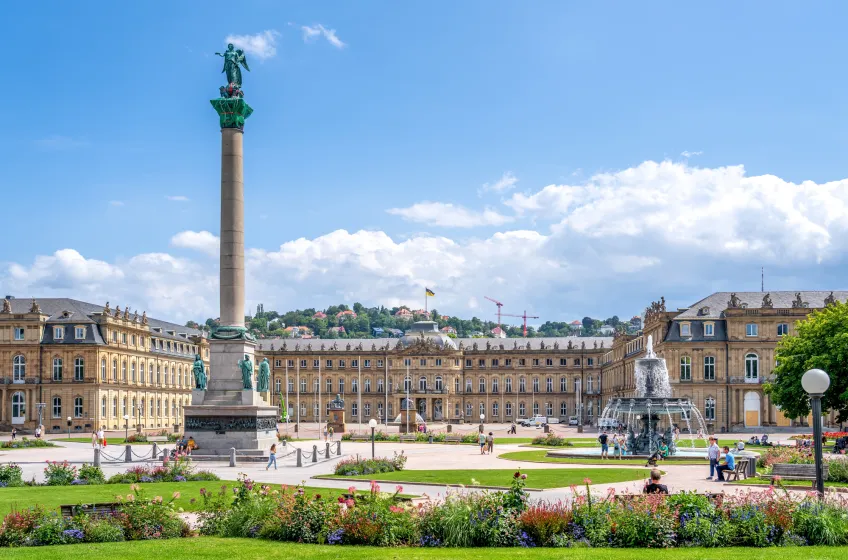
The heart of Stuttgart’s historic centre, Schlossplatz is a grand open square framed by the majestic New Palace, elegant colonnades, and lively fountains. The New Palace, built in the 18th century, was once the residence of the Kings of Württemberg and is now home to government offices. While interior tours are limited, the square itself is a hub for open-air concerts, festivals, and people-watching.
Don’t Miss: The Königstraße shopping street that starts at the square—perfect for a retail stroll.
Wilhelma Zoo and Botanical Garden
A rare combination of zoological and botanical gardens, Wilhelma is set within a 19th-century Moorish-style palace complex. It houses more than 1,200 species of animals and an extraordinary range of plants from around the globe. It’s one of the most beautiful zoos in Europe, perfect for families or those wanting a relaxed day among nature.
Good to Know: It’s a large site—wear comfortable shoes and allow at least 3–4 hours.
Stuttgart State Gallery (Staatsgalerie)
Art lovers should make time for the Staatsgalerie, which features both classical works and an outstanding modern collection. Highlights include works by Picasso, Matisse, and German masters like Otto Dix. The building itself is a striking example of postmodern architecture, with bold colours and an unconventional layout.
Fun Fact: The newer wing was designed by famed British architect James Stirling.
Ludwigsburg Palace
Just a 20-minute train ride north of Stuttgart lies Ludwigsburg Residential Palace, one of the largest Baroque palaces in Germany. Often dubbed the “Swabian Versailles,” the palace features opulent rooms, a porcelain museum, and the fairytale-themed children’s museum “Kinderreich.” The surrounding gardens are a delight, especially during spring and autumn.
Seasonal Tip: Visit during the Pumpkin Festival (Herbstzeitlose) in autumn, when the gardens are filled with enormous pumpkin sculptures and themed displays.
Killesberg Park
One of Stuttgart’s most scenic green spaces, Killesberg Park combines landscaped gardens, sculptures, fountains, and even a small steam railway. It’s a great spot for a picnic or a lazy afternoon walk, especially during the summer when flowers are in full bloom. The 40-metre-high Killesberg Tower offers panoramic views from its spiral platform.
Stuttgart’s Vineyards and Wine Walks
Yes, Stuttgart has vineyards—and they’re within walking distance of the city! Trails such as the Weinwanderweg Untertürkheim–Rotenberg wind through picturesque slopes lined with vines, offering scenic views and the chance to stop at wine taverns for a glass of local Riesling or Trollinger.
Don’t Miss: The charming chapel Grabkapelle Rotenberg, set amongst the vines, offers a peaceful atmosphere and a romantic view of the Neckar valley.
Market Hall (Markthalle)
A paradise for foodies, the Stuttgarter Markthalle is a historic indoor market filled with over 30 stalls selling local produce, fine cheeses, cured meats, baked goods, spices, and international delicacies. It’s a great place to grab a casual lunch or pick up gourmet souvenirs.
Local Treat to Try: Swabian Maultaschen—like German ravioli—often available fresh at several market stands.
Cannstatter Volksfest
This legendary beer festival held in Bad Cannstatt each autumn is the second-largest in Germany after Munich’s Oktoberfest, but with a more local, less touristy feel. Expect huge beer tents, traditional costumes, folk music, fairground rides, and hearty food.
Dates: Usually late September to early October.
Stuttgart Christmas Market
One of Germany’s oldest and most beautiful, the Stuttgarter Weihnachtsmarkt fills the city with festive cheer every December. Wooden stalls adorned with twinkling lights sell everything from handmade ornaments to roasted chestnuts and mulled wine.
Look Out For: The elaborately decorated rooftops of each stall—they're a competition!
Practical Advice for Visitors
Getting There
Stuttgart is well connected by air, rail, and road. Stuttgart Airport (STR) lies just 13 km from the city centre, with regular S-Bahn trains (S2 and S3) providing a direct connection in about 30 minutes. If you’re arriving by train, Stuttgart Hauptbahnhof (main station) is a major hub on Germany’s high-speed ICE network, making it easily accessible from cities like Frankfurt (1.5 hours), Munich (2.5 hours), and Zurich (3 hours).
Driving is also a popular option, especially for those exploring the surrounding wine regions or the Black Forest.
Parking
If you’re driving, Stuttgart has multiple underground and above-ground car parks around the city centre. However, parking can be expensive and tight in busy areas. Look for P+R (Park and Ride) options on the outskirts and use the efficient public transport system (S-Bahn, U-Bahn, buses).
Note: Stuttgart has an environmental zone—only low-emission vehicles with a green sticker are allowed into the city centre.
Dining
Stuttgart’s food scene combines hearty Swabian tradition with international flair. Don’t miss local dishes like Spätzle (soft egg noodles), Maultaschen, and Zwiebelrostbraten (roast beef with onions). Top places to eat include:
-
Weinstube Kloesterle in Bad Cannstatt – one of Stuttgart’s oldest wine taverns
-
Zum Alten Fritz – for traditional Swabian cuisine in a cosy setting
-
Cube Restaurant – for a modern menu with city views over Schlossplatz
-
Pauly – popular for creative, seasonal dishes and wine pairings
Shopping
The main shopping drag is Königstraße, one of the longest pedestrian shopping streets in Germany. For something more unique, head to Calwer Passage for boutiques or Bohnenviertel for antiques and independent shops. The Markthalle is also excellent for gourmet gifts.
Souvenir Tip: Local wines, Swabian pasta (Spätzle), and traditional wooden Christmas decorations.
When to Visit
Spring (April–June) and autumn (September–October) are the best times to visit Stuttgart. The weather is pleasant, and you can enjoy the city's outdoor attractions without the summer crowds. Autumn also brings the wine harvest and festivals like the Volksfest.
Winter is festive with the Christmas market, while summer can be hot but is ideal for parks, beer gardens, and vineyard walks.
Local Events
-
Stuttgart Spring Festival (Frühlingsfest): April to early May—mini Oktoberfest with rides and tents
-
Jazzopen Stuttgart: July—world-class jazz acts in historic venues
-
Stuttgart Wine Village (Weindorf): late August to early September—regional wine festival with traditional food and music
-
Stuttgart Christmas Market: late November to December—charming and historic, with over 280 stalls
Exploring Beyond Stuttgart
If you have extra time, Stuttgart makes a great base for day trips. Some nearby highlights include:
-
Tübingen (40 minutes by train): A beautiful university town with half-timbered houses and boat punting on the Neckar.
-
Esslingen am Neckar (20 minutes): A medieval gem with a charming old town and a quirky medieval Christmas market.
-
Black Forest (Schwarzwald): Just over an hour away—ideal for hiking, spa towns, and cuckoo clock villages.
-
Hohenzollern Castle: Perched dramatically on a hilltop, this fairy-tale castle is about 1.5 hours away and offers stunning views.
-
Heidelberg (1.5 hours): Famous for its romantic ruined castle and baroque old town along the Neckar River.
Stuttgart is a city that reveals its charms gradually—less flashy than other German destinations, but rich in authenticity, green space, and cultural depth. Whether you're sipping wine on a hillside terrace, exploring cutting-edge museums, or enjoying a traditional meal in a cosy tavern, Stuttgart offers a relaxed yet enriching experience in the heart of Baden-Württemberg.
Shortlist
- Your Shortlist is empty