
Discover Duisburg | A Visitor's Introduction to Duisburg
Recommended places to visit, places to stay and things to do in and around Duisburg
Duisburg is a dynamic city in the Ruhr region of western Germany, where heavy industry meets green spaces and a rich cultural tapestry. Once a powerhouse of coal and steel production, Duisburg has transformed into a fascinating destination full of contrasts – from the world's largest inland port to expansive public parks and cutting-edge architecture. With its industrial heritage, artistic spirit, and relaxed riverside atmosphere, Duisburg is perfect for urban explorers, history buffs, and those looking for something a little different from the usual German city break.
Recommended Duisburg accommodation: Hotels Apartments
Pre-book Duisburg Attractions, Tours & Experiences
Why is Duisburg Worth a Visit?
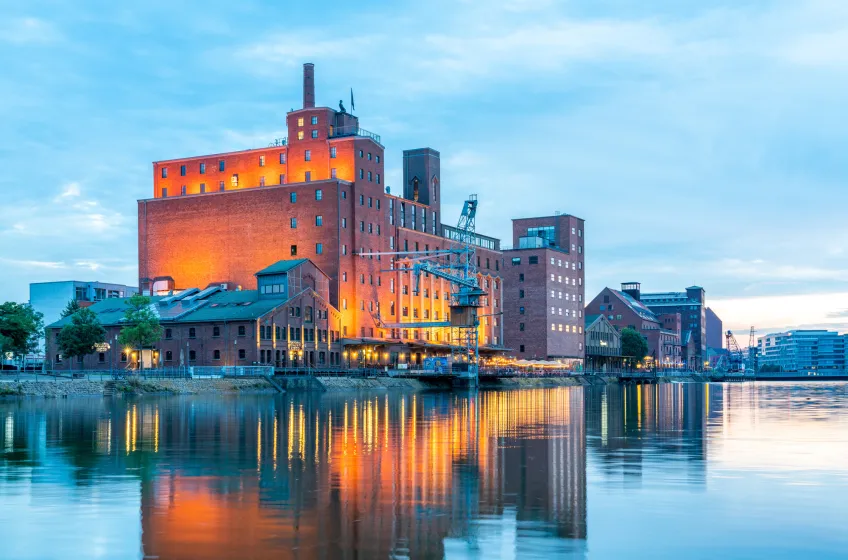
Duisburg is worth visiting for its unique blend of industrial history and contemporary culture. Unlike more polished cities, Duisburg has an authentic, gritty charm that tells the story of Germany’s industrial past while also showcasing its creative reinvention. The city lies at the confluence of the Rhine and Ruhr rivers, and its port – the largest inland port in the world – is a testament to Duisburg’s role as a historic trading hub.
In recent decades, the city has turned many of its disused industrial spaces into vibrant cultural venues, urban parks, and art installations, giving it a distinctive atmosphere that celebrates transformation. From the architectural oddity of Tiger & Turtle to the mesmerising Landschaftspark, Duisburg is packed with attractions that you won’t find anywhere else in Germany. It’s a city where history is etched into every brick, but where innovation and artistry are equally visible.
Whether you’re walking along canal-side promenades, diving into industrial archaeology, or enjoying a street festival, Duisburg offers a refreshingly unconventional experience that will surprise and inspire.
Duisburg Highlights: Things to See and Do in Duisburg
Landschaftspark Duisburg-Nord
This former ironworks site is the crown jewel of Duisburg’s industrial transformation. Instead of being demolished, the old blast furnaces, gas tanks, and pipelines have been turned into a sprawling public park filled with walking trails, climbing walls, gardens, and even a scuba diving tank inside an old gasometer. By night, the entire park is lit with dramatic, colour-changing lights designed by artist Jonathan Park. It’s an unforgettable experience, offering a surreal blend of nature and machinery. Don’t miss the climb to the top of Blast Furnace 5 for panoramic views of the Ruhrgebiet.
Inner Harbour (Innenhafen)
Once a busy industrial port, Duisburg’s Inner Harbour is now a lively waterfront area full of restaurants, bars, museums, and walking paths. The area reflects the city’s regeneration efforts, with sleek modern buildings standing alongside historic warehouses. It's home to the excellent Museum Küppersmühle for Modern Art, with works by major German artists, and the German Inland Waterways Museum housed in a converted granary. Come here for a relaxed meal by the water or a leisurely evening stroll.
Tiger & Turtle – Magic Mountain
A rollercoaster that you walk on? That’s right – this iconic art installation on a hill in southern Duisburg resembles a loop-de-loop rollercoaster, but it’s actually a pedestrian walkway. Offering panoramic views of the city and the Rhine, Tiger & Turtle is especially magical at sunset or after dark when it’s illuminated. It’s symbolic of Duisburg’s ability to reinvent itself and inject creativity into former industrial zones.
Duisburg Zoo
One of the oldest zoos in Germany, Duisburg Zoo is particularly known for its dolphinarium – one of only a few in the country – and its impressive collection of primates and big cats. It’s a well-maintained and family-friendly destination, with expansive enclosures and a lush green setting. The zoo also plays an active role in conservation efforts, especially for endangered species.
Lehmbruck Museum
This museum, named after Duisburg-born sculptor Wilhelm Lehmbruck, houses an excellent collection of modern and contemporary sculpture, alongside paintings and graphic works. The building itself is a fine example of modernist architecture and sits in a quiet park setting, making it a peaceful retreat for art lovers.
Salvatorkirche (Salvator Church)
This late Gothic church, located in Duisburg’s old town, dates back to the 14th century and has survived war and reconstruction. Its imposing tower and historical gravestones offer insight into the city’s medieval past. Inside, the atmosphere is serene, and the architecture impresses with its ribbed vaults and stained glass.
Six Lakes Plate (Sechs-Seen-Platte)
A stunning natural area in the south of the city, this collection of six lakes surrounded by forests and sandy beaches is ideal for outdoor activities. Locals come here to swim, sail, cycle, jog, or simply relax in nature. Climb the 21-metre-high Aussichtsturm Wolfssee for sweeping views of the lakes and surrounding countryside.
Mercator Quarter and Globe Fountain
Duisburg is the birthplace of Gerardus Mercator, the famous cartographer who created the Mercator projection. You can explore his legacy in the Mercator Quarter, which includes a statue, commemorative plaques, and the striking Globe Fountain that celebrates his contribution to modern geography. It's a modest yet meaningful part of the city’s identity.
Duisburg Theatre and Philharmonic
Culture lovers should catch a performance at the Duisburg Theatre, home to the Deutsche Oper am Rhein and the Duisburg Philharmonic Orchestra. The theatre’s modernist facade contrasts beautifully with its elegant interior. Operas, ballets, and concerts are regularly performed and provide a high standard of entertainment in an accessible venue.
RheinPark Duisburg
A large riverside park that has become a favourite among locals for picnics, cycling, and river walks. The park also hosts open-air concerts and festivals in summer and offers great views across the Rhine. Its wide green spaces and well-maintained paths make it a great place for a relaxed afternoon, especially when the weather’s fine.
Binnenschifffahrtsmuseum (Inland Navigation Museum)
This museum in the Inner Harbour is dedicated to inland navigation – fitting for a city with the world’s largest inland port. Housed in a converted granary, it features ship models, navigation equipment, and hands-on exhibits, making it both educational and engaging for visitors of all ages.
Wedau Regatta Course
A sports venue with an international reputation, the regatta course at Duisburg-Wedau hosts major rowing and canoeing competitions. When events are not taking place, the surrounding area offers pleasant walking and cycling opportunities, and it’s another great spot to enjoy Duisburg’s green spaces.
CityPalais Duisburg
This modern entertainment complex in the city centre includes a casino, restaurants, shops, and an events arena. While it may not be a traditional tourist attraction, it's a good option for nightlife or a rainy-day visit, especially if you enjoy live music or a flutter at the tables.
Practical Advice for Visitors
Getting There
Duisburg is well-connected by train, sitting on major routes between Düsseldorf, Essen, and Cologne. High-speed ICE and regional trains stop frequently at Duisburg Hauptbahnhof, which is only 20 minutes from Düsseldorf Airport – making it very accessible for international visitors. If you’re driving, the A3, A40, and A59 motorways all pass near the city. Buses and trams operated by DVG (Duisburger Verkehrsgesellschaft) make getting around the city easy and efficient.
Parking
Parking in Duisburg is generally straightforward, with plenty of city centre car parks like CityPalais, Forum Duisburg, and the Inner Harbour offering paid parking. Street parking is available but can be limited during peak hours. Many of the main attractions such as Landschaftspark have their own dedicated parking areas, usually with low fees or even free.
Dining
Duisburg’s food scene is a blend of hearty German fare and international cuisine, reflecting its multicultural population. For traditional German food, try Webster Brauhaus near the city centre – a brewery-restaurant serving classic dishes and local beer. At the Inner Harbour, Vapiano offers Italian in a stylish setting, while Mongo’s is known for its pan-Asian Mongolian grill. For Turkish cuisine – a staple in Duisburg – head to Mangal Restaurant. Don’t miss trying Currywurst or a freshly baked Pretzel from a local bakery.
Shopping
Forum Duisburg is the city’s main shopping mall, with a good mix of high street brands and international stores. Königstraße is the main pedestrian shopping street, offering everything from fashion to electronics. For something more unique, check out the flea markets held regularly near the Inner Harbour or explore local bookshops and boutiques in the Dellviertel district. Duisburg also has a strong second-hand and antique scene, especially in the Wanheimerort area.
When to Visit
The best time to visit Duisburg is from late spring to early autumn (May to September), when the weather is mild and ideal for outdoor exploring. Summer brings festivals and riverside life into full swing, but it’s also the most popular time, so expect more crowds. Winter can be grey, but the city has a surprisingly cosy Christmas market in König-Heinrich-Platz, and indoor attractions like museums and the theatre offer plenty to do.
Local Events
The Duisburg Christmas Market is one of the city’s most charming events, with festive lights, mulled wine, and traditional crafts. In summer, the Duisburger Hafenfest (Harbour Festival) transforms the Inner Harbour with food stalls, music, and boat tours. Traumzeit Festival, held at Landschaftspark, is a must for fans of indie and alternative music – the unique industrial backdrop makes it unlike any other music festival in Germany. Also worth catching is the Duisburger Akzente, an annual arts and culture festival exploring different themes each year through theatre, exhibitions, and lectures.
Exploring Beyond Duisburg
If you’ve got extra time, there are several great places to visit nearby. Düsseldorf, with its chic shops and buzzing Altstadt, is only 20 minutes by train. Essen, home to the UNESCO-listed Zollverein Coal Mine Industrial Complex, is just as close. You can also explore the beautiful Lower Rhine countryside or take a boat trip on the Rhine from Duisburg to charming towns like Xanten or Rees. For nature lovers, the Hohe Mark Nature Park offers forests and hiking trails less than an hour away.
Duisburg may not top the typical tourist list, but that’s exactly what makes it such a rewarding place to visit. With its bold transformation from industrial heartland to cultural hub, it offers experiences that are distinctive, engaging, and surprisingly beautiful. Whether you’re scaling blast furnaces, walking a sculpture-rollercoaster, or relaxing by a tranquil lake, Duisburg invites you to see Germany from a different – and unforgettable – perspective.
Shortlist
- Your Shortlist is empty