
Discover Saxony | A Visitor's Introduction to Saxony
Recommended places to visit, places to stay and things to do in Saxony
Saxony is a culturally rich and historically significant state in eastern Germany, bordered by Poland and the Czech Republic. Known for its beautifully restored baroque cities, fairytale castles, world-class art collections, and dramatic natural landscapes, Saxony blends centuries of tradition with a vibrant, modern character. With cities like Dresden and Leipzig leading the way in art, music, and architecture, and regions like Saxon Switzerland offering breathtaking outdoor adventures, Saxony is the perfect destination for lovers of history, culture, classical music, and the great outdoors.
Recommended Saxony accommodation: Hotels Bed & Breakfasts Holiday Homes
Pre-book Saxony Attractions, Tours & Experiences
Why is Saxony Worth a Visit?
Saxony is worth visiting for its unique mix of refined cultural experiences, architectural marvels, and wild natural scenery. The region has a long legacy as a royal and artistic hub, once home to the Electors and Kings of Saxony, and has given the world legendary composers like Johann Sebastian Bach and Richard Wagner. Its cities are steeped in baroque and Renaissance grandeur, yet also pulse with youthful energy and creativity.
Whether you're admiring the rebuilt Frauenkirche in Dresden, exploring Leipzig’s buzzing music and art scenes, or hiking the surreal sandstone cliffs of the Elbe Valley, Saxony provides a multifaceted experience that few regions in Europe can match. It’s also less crowded than many other parts of Germany, offering an authentic and relaxed atmosphere with outstanding value for money.
Saxony Highlights: Things to See and Do in Saxony
Dresden’s Historic Altstadt
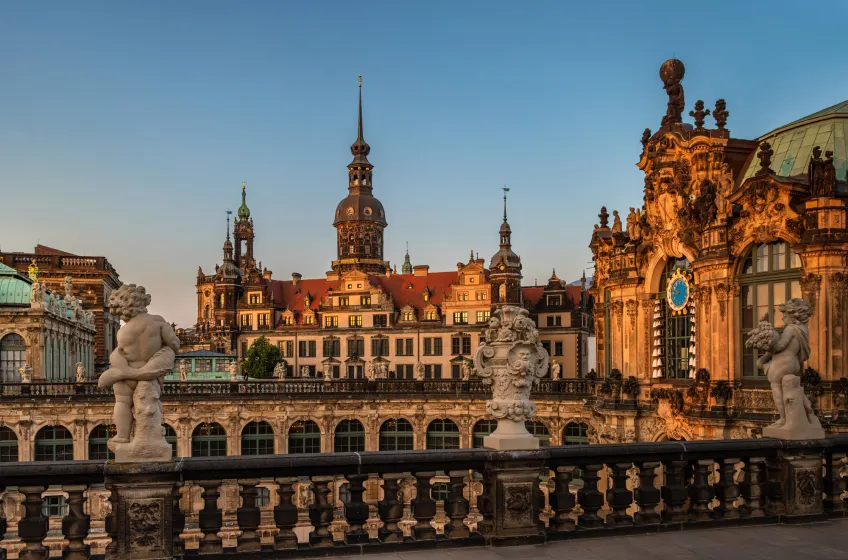
Dresden, known as the “Florence on the Elbe”, boasts one of Europe’s most stunning historic centres. Almost entirely rebuilt after WWII, the Altstadt (Old Town) is filled with baroque masterpieces. The Frauenkirche is the city’s most iconic landmark—a symbol of resilience and unity. Don’t miss the Zwinger Palace, a lavish complex of galleries and pavilions housing the Old Masters Picture Gallery, or the Semperoper, one of Germany’s most prestigious opera houses.
Leipzig: The City of Music
Leipzig is a dynamic city with deep musical roots. Johann Sebastian Bach lived and worked here, and you can visit the Bach Museum and St. Thomas Church, where he served as cantor. The city is also home to the Gewandhaus Orchestra and the Leipzig Opera, both highly regarded worldwide. Beyond classical music, Leipzig is a hub of contemporary culture with street art, creative start-ups, and an alternative scene centred in the Plagwitz district.
Saxon Switzerland National Park
A paradise for hikers and climbers, Saxon Switzerland (Sächsische Schweiz) is a stunning region of bizarre rock formations, deep gorges, and panoramic viewpoints along the Elbe River. The Bastei Bridge is a must-see, offering jaw-dropping views of the surrounding sandstone cliffs. Numerous well-marked trails wind through this magical landscape, suitable for all levels. It’s a fantastic day trip from Dresden or a rewarding destination in its own right.
Meissen and the World of Porcelain
The small town of Meissen is world-famous for its porcelain, the first to be produced in Europe. Visit the Meissen Porcelain Manufactory to see how the delicate pieces are crafted and painted by hand. The Albrechtsburg Castle, perched above the Elbe, is a beautiful example of late-Gothic architecture and offers insight into Saxony’s noble past.
Moritzburg Castle
Just outside Dresden lies Moritzburg Castle, a fairytale baroque hunting lodge surrounded by a reflective lake and forest. Once a residence of Augustus the Strong, it's known for its opulent interiors, grand hunting trophies, and the beautifully preserved Little Pheasant Castle nearby. It’s especially charming in winter when the castle is dusted with snow and hosts festive exhibitions.
Görlitz: Germany’s Eastern Gem
Tucked on the Polish border, Görlitz is one of Germany’s most beautifully preserved towns. Its mix of Gothic, Renaissance, and Art Nouveau buildings has made it a favourite location for film productions. You can stroll past centuries-old façades, cross the pedestrian bridge into Poland, and enjoy the slower pace of life in this elegant and often overlooked gem.
Ore Mountains (Erzgebirge)
The Erzgebirge, or Ore Mountains, are a rolling region of forested hills and villages famous for wooden Christmas decorations, mining history, and traditional folk art. The town of Seiffen is particularly known for its handcrafted wooden toys and nutcrackers. During December, the entire region lights up with Christmas markets, pyramid displays, and cosy traditions that feel straight out of a storybook.
Colditz Castle
One of the most fascinating castles in Saxony, Colditz Castle gained notoriety as a high-security POW camp during WWII, where Allied officers made daring escape attempts. Today it houses a museum and offers guided tours revealing the ingenious methods prisoners used to flee. It’s a compelling stop for history buffs.
Königstein Fortress
This colossal hilltop fortress in the Elbe Sandstone Mountains is one of the largest in Europe. Dating back over 750 years, Königstein Fortress towers over the Elbe Valley and offers panoramic views, military museums, and fascinating exhibitions inside its thick walls. It’s accessible via a shuttle or a scenic (though steep) walk from the town below.
Bautzen: The Tower Town
Bautzen is a medieval hilltop town with a striking skyline of spires and towers. The historic centre is full of colourful buildings, cobbled streets, and remnants of old fortifications. It’s also the cultural heart of the Sorbian minority, a Slavic people native to the region. Visit the Sorbian Museum to learn more about their traditions and language.
Pillnitz Palace and Gardens
Set along the Elbe River, Pillnitz Palace is an elegant summer residence surrounded by landscaped gardens, exotic plants, and scenic walking paths. The palace complex includes baroque and chinoiserie elements and offers insight into court life in the 18th century. It’s easily reached by ferry from Dresden, making for a lovely half-day trip.
Zittau and the Zittau Mountains
Far in Saxony’s southeast, the Zittau Mountains are a lesser-known but peaceful and picturesque region. The town of Zittau has a lovely old centre and is known for its impressive Lenten Veil, a massive 15th-century cloth painting used during Lent. This area is great for walking, cycling, and spa escapes, particularly in the charming village of Oybin, where you can explore romantic castle ruins and a ruined monastery.
Leipzig’s Spinnerei
The Leipziger Baumwollspinnerei (Cotton Spinning Mill) is now a creative hub of contemporary art studios, galleries, and cultural spaces. Once the largest cotton mill in Europe, it's now home to artists like Neo Rauch and forms the core of Leipzig’s reputation as a contemporary art hotspot.
Practical Advice for Visitors
Getting There
Saxony is easily accessible by train, car, or air. Leipzig/Halle Airport and Dresden Airport serve international and domestic routes, and both cities are connected by efficient rail services to Berlin, Frankfurt, and Prague.
Trains operated by Deutsche Bahn and regional services (such as MRB and S-Bahn) link the major towns and attractions. For rural areas or national parks, hiring a car gives greater flexibility.
Parking
City centres like Dresden and Leipzig have designated underground car parks and park-and-ride systems. Street parking is regulated with meters and permit zones. In tourist hotspots such as Saxon Switzerland or Meissen, arrive early for the best spots, particularly during weekends and holidays.
Dining
Saxon cuisine combines hearty German staples with local specialities. Try Sauerbraten (marinated roast), Quarkkäulchen (curd cheese pancakes), or Leipziger Allerlei, a historic vegetable dish often served with crayfish. In winter, don’t miss Stollen, the famous Saxon Christmas cake.
In Dresden, consider Pulverturm an der Frauenkirche for traditional Saxon food in a historic vault, or Kastenmeiers for high-end seafood. In Leipzig, Auerbachs Keller is a classic, famously visited by Goethe. For coffee and cake, Saxony’s cafés are excellent—try Eierschecke, a regional layered cake.
Shopping
Look for Meissen porcelain, wooden crafts from the Ore Mountains, and local wine from the Saxon Wine Route near Radebeul. Christmas markets in Dresden, Leipzig, and Annaberg-Buchholz are fantastic for handmade gifts.
Leipzig and Dresden both offer a mix of high-street and independent shops, with covered arcades like Mädlerpassage in Leipzig or the Altmarkt-Galerie in Dresden being good options for browsing.
When to Visit
Spring and early autumn are excellent times to visit Saxony, with mild weather, blooming gardens, and fewer tourists. Summer (June to August) is peak season, especially in Dresden and Saxon Switzerland.
Winter is magical, especially in the Ore Mountains and during the Christmas market season. Dresden’s Striezelmarkt, dating back to 1434, is one of the oldest and best in Germany.
Local Events
-
Bachfest Leipzig (June): A world-class classical music festival celebrating the life and works of J.S. Bach.
-
Dresden Music Festival (May–June): A prestigious event featuring classical and contemporary performances in unique venues.
-
Wave-Gotik-Treffen Leipzig (Pentecost): The largest gothic festival in the world, drawing thousands in elaborate attire.
-
Christmas Markets (late November–December): Especially notable in Dresden, Leipzig, and the towns of the Ore Mountains.
-
Film Nights on the Elbe (July–August): An open-air cinema festival with the Elbe and Dresden skyline as a backdrop.
Exploring Beyond Saxony
Saxony borders Poland and the Czech Republic, making it easy to take day trips to Prague (around 2 hours from Dresden) or Wrocław in Poland. Within Germany, Thuringia (home of Weimar and Erfurt) is nearby and rich in cultural heritage.
The Saxon Wine Route, stretching from Pirna to Diesbar-Seußlitz, offers picturesque vineyard views and cosy wine taverns. Or follow the Via Regia, one of Europe's oldest trade routes, through towns like Görlitz and Bautzen.
For lovers of slow travel, the Elbe Cycle Route offers scenic rides along the river from the Czech border to Saxony-Anhalt, passing many of Saxony’s highlights along the way.
Saxony’s charm lies in its balance: refined yet accessible, rich in history yet forward-looking, peaceful yet full of surprises. Whether you come for music, castles, nature, or simply to explore a less-trodden corner of Germany, Saxony welcomes you with open arms and an open heart.
Shortlist
- Your Shortlist is empty