
Discover Hamburg | A Visitor's Introduction to Hamburg
Recommended places to visit, places to stay and things to do in and around Hamburg
Hamburg, Germany’s second-largest city, is a vibrant port metropolis that blends maritime tradition with modern cosmopolitan flair. Known as the “Gateway to the World,” this Hanseatic city sits on the River Elbe and boasts one of Europe’s busiest harbours. Beyond its shipping legacy, Hamburg dazzles visitors with elegant architecture, world-class museums, lakeside parks, and a buzzing nightlife scene. From the Speicherstadt warehouse district to the neon-lit Reeperbahn, Hamburg offers a dynamic mix of culture, history, and entertainment.
Recommended Hamburg accommodation: Hotels Bed & Breakfasts Apartments
Pre-book Hamburg Attractions, Tours & Experiences
Why is Hamburg Worth a Visit?
Hamburg is worth visiting because it combines the energy of a global port city with the charm of green spaces, canals, and cultural landmarks. It feels both international and distinctly German, with a character shaped by centuries of trade and independence.
The city is a feast for architecture lovers, with the UNESCO-listed Speicherstadt, the modern Elbphilharmonie concert hall, and grand 19th-century boulevards. For those interested in culture, Hamburg’s theatres, galleries, and music venues are among the best in Germany. The city is also deeply tied to music history—from its classical tradition to The Beatles, who honed their craft here in the 1960s.
Meanwhile, the lakes of the Alster, the riverside Elbe beaches, and leafy parks provide a more tranquil side of Hamburg, showing why locals cherish their quality of life. Whether you come for art, nightlife, shopping, or boat trips, Hamburg delivers a diverse and rewarding city experience.
Hamburg Highlights: Things to See and Do in Hamburg
Speicherstadt and HafenCity
The Speicherstadt, the world’s largest warehouse complex, is a UNESCO World Heritage Site. Built in the late 19th century, its red-brick Gothic warehouses sit along canals, creating an atmospheric backdrop for boat tours and strolls. Many buildings now house museums and attractions, including the Miniatur Wunderland, the world’s largest model railway, and the Hamburg Dungeon.
Right next door, HafenCity is a striking contrast—Europe’s largest inner-city development project, with futuristic architecture, waterfront promenades, and cultural spaces.
Elbphilharmonie
Nicknamed the “Elphi,” the Elbphilharmonie is Hamburg’s architectural icon. This glass concert hall, perched on top of a former warehouse, resembles waves or sails and offers world-class acoustics. Even if you don’t attend a performance, you can visit the Plaza observation deck for sweeping views of the harbour and city skyline.
St. Michael’s Church (Michel)
Hamburg’s most famous church, St. Michael’s, is a baroque masterpiece with a striking copper spire. Visitors can climb the tower (or take the lift) for some of the best panoramic views in the city. The interior is equally impressive, with its bright white-and-gold design and one of Germany’s largest organs.
Inner and Outer Alster
At the heart of Hamburg are the Binnenalster (Inner Alster) and Außenalster (Outer Alster) lakes, surrounded by parks, promenades, and elegant residential areas. The Binnenalster is perfect for leisurely strolls, while the Außenalster is popular for sailing, jogging, and boat trips. On a sunny day, this is one of the most relaxing spots in the city.
Reeperbahn and St. Pauli
Hamburg’s legendary nightlife district, the Reeperbahn, is known for its neon lights, music clubs, and edgy character. Once a red-light hub, today it’s a lively area with theatres, bars, live music venues, and cabaret shows. This is where The Beatles launched their career, and you can follow in their footsteps on a guided Beatles tour. For those seeking alternative culture, nearby Schanzenviertel offers a creative, bohemian vibe with street art and trendy cafés.
Miniatur Wunderland
A highlight for visitors of all ages, Miniatur Wunderland is the world’s largest model railway, spanning detailed miniature landscapes of cities, countries, and even an airport with planes that take off. The attention to detail is astonishing, and timed tickets are recommended to avoid long queues.
Planten un Blomen Park
This lush city park is beloved by locals for its themed gardens, lakes, and family-friendly activities. The Japanese Garden is a serene highlight, while in summer, the water and light shows add magic to the evenings. It’s also home to ice-skating in winter and concerts in warmer months.
Hamburg Harbour and Boat Tours
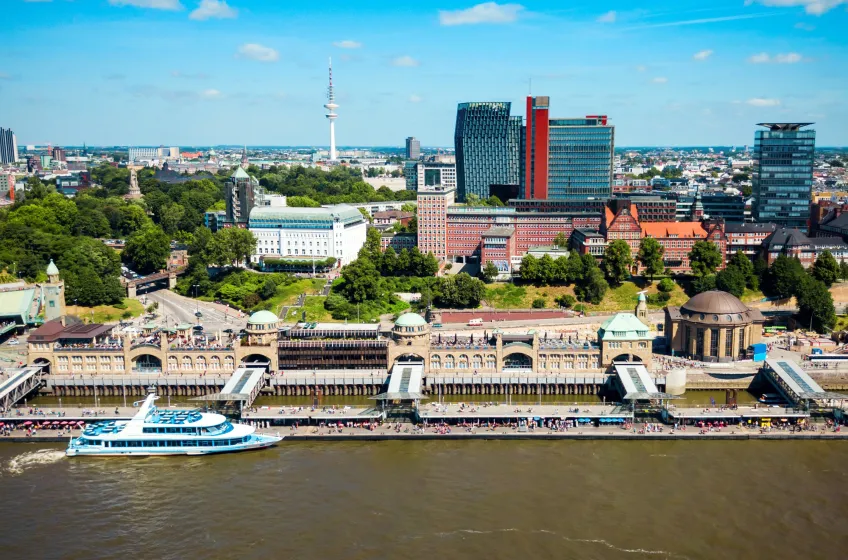
The Port of Hamburg is the city’s lifeblood, and no visit is complete without experiencing it by boat. Harbour tours range from short sightseeing trips to longer cruises, showcasing container ships, historic sailing vessels, and the Elbe waterfront. The Landungsbrücken piers are the main starting point and a lively area for dining and people-watching.
Fischmarkt
Every Sunday morning, the Hamburg Fish Market bursts into life near the harbour. Dating back to 1703, it’s not just about fresh seafood—vendors sell everything from fruit to flowers, often accompanied by live music and hearty breakfasts. It’s a must-visit if you’re up early—or still awake after a night out.
Hamburg Rathaus (Town Hall)
The Rathaus is one of Hamburg’s most striking buildings, a neo-Renaissance palace completed in 1897. Visitors can admire its elaborate façade and take guided tours of the grand interior, including the Senate Chamber and Imperial Hall. The square in front often hosts seasonal markets and events.
International Maritime Museum
Housed in a former warehouse, the International Maritime Museum traces 3,000 years of seafaring history through ship models, artefacts, and interactive exhibits. It’s a fascinating stop for anyone interested in Hamburg’s maritime roots.
Elbe Beaches
For a more relaxed side of Hamburg, head to the Elbe river beaches in districts like Oevelgönne or Blankenese. Here you can picnic, swim, or simply watch giant ships glide past. Blankenese itself is worth exploring for its hillside stairways, white villas, and Mediterranean feel.
Practical Advice for Visitors
Getting There
Hamburg Airport (HAM) is well connected across Europe and beyond, with direct S-Bahn trains to the city centre in about 25 minutes. Hamburg’s Hauptbahnhof (central station) is a major hub, linking the city by high-speed trains to Berlin (under 2 hours), Hanover, Cologne, and other destinations.
Driving is straightforward, though parking in the centre can be expensive. The public transport system (U-Bahn, S-Bahn, buses, and ferries) is efficient and integrated, making it easy to get around without a car.
Parking
Multi-storey car parks are available throughout the centre, particularly near the Rathaus and HafenCity. For sightseeing, it’s often easier to park outside and use public transport. Street parking is possible but restricted and costly in busy districts.
Dining
Hamburg’s cuisine reflects its maritime traditions. Try Finkenwerder Scholle (pan-fried plaice with bacon and shrimp), Labskaus (corned beef, potatoes, and beetroot, often topped with a fried egg and herring), and Franzbrötchen, a sweet cinnamon pastry unique to Hamburg.
For seafood, head to the Fischereihafen Restaurant, a local institution. The Ratskeller under the Rathaus offers traditional northern German dishes, while the Schanzenviertel and Karolinenviertel districts brim with international dining and trendy cafés.
Shopping
The main shopping area is around Mönckebergstraße and Spitalerstraße, with department stores, boutiques, and international brands. Neuer Wall is Hamburg’s luxury shopping street, while the Schanzenviertel has independent shops and quirky finds. For souvenirs, look for sailor-themed gifts, Hamburg water bottles, or miniatures of the Town Musicians.
When to Visit
Hamburg is a year-round destination. Summer (June–August) brings warm weather, festivals, and lively outdoor dining along the river. Spring and autumn are pleasant for sightseeing with fewer crowds. Winter is cold but atmospheric, especially during the Christmas markets, where Hamburg shines with festive cheer.
Rain is common throughout the year, so pack an umbrella regardless of the season.
Local Events
-
Hamburger Dom (spring, summer, winter): A huge funfair held three times a year with rides, food, and fireworks.
-
Hafengeburtstag (May): Hamburg’s harbour birthday festival, one of the world’s biggest maritime celebrations with parades of ships, fireworks, and live music.
-
Reeperbahn Festival (September): Europe’s largest club festival for new music, with hundreds of concerts across St. Pauli.
-
Christmas Markets (late November–December): Especially the historic market in front of the Rathaus and the maritime-themed market at the Landungsbrücken.
Exploring Beyond Hamburg
Hamburg makes a great base for exploring northern Germany. The Lübeck, a UNESCO World Heritage Site and former Hanseatic capital, is only 45 minutes by train and famous for its marzipan. The Lüneburg Heath, south of Hamburg, is beautiful in late summer when the heather blooms.
To the north, the North Sea coast and islands such as Sylt or Heligoland provide fresh sea air and wide sandy beaches. Alternatively, you can take a boat up the Elbe River for scenic excursions.
Hamburg is a city of contrasts—historic yet modern, bustling yet green, cosmopolitan yet distinctly tied to its maritime roots. Whether you come for the music, the harbour, or simply the city’s relaxed northern German charm, Hamburg promises a richly rewarding experience.
Shortlist
- Your Shortlist is empty