
Discover Frankfurt | A Visitor's Introduction to Frankfurt am Main
Recommended places to visit, places to stay and things to do in and around Frankfurt am Main
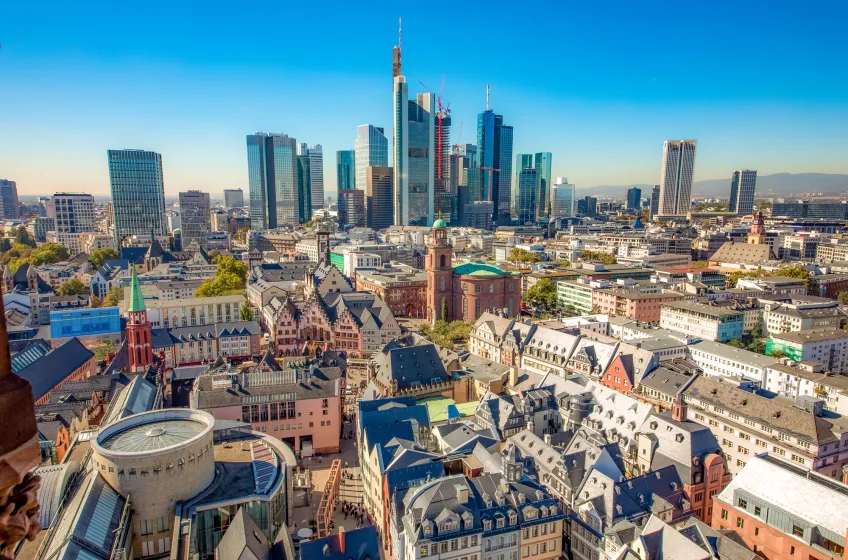
Frankfurt am Main is a dynamic, modern city located in the heart of Germany, serving as both a global financial hub and a cultural powerhouse. Known for its striking skyline of glass and steel, the city effortlessly blends cutting-edge architecture with rich historical heritage. This bustling metropolis is a perfect destination for business travellers, culture lovers, and city explorers alike. With its world-class museums, lively neighbourhoods, and leafy riverside promenades, Frankfurt offers a surprisingly diverse and rewarding urban experience in the heart of Europe.
Recommended Frankfurt am Main accommodation: Hotels Apartments
Pre-book Frankfurt am Main Attractions, Tours & Experiences
Why is Frankfurt am Main Worth a Visit?
Frankfurt am Main is worth visiting for its fascinating contrast between old and new, offering visitors the chance to explore both medieval charm and ultra-modern skyscrapers within a single afternoon. As home to the European Central Bank and one of the world’s largest stock exchanges, it has a polished international vibe, yet it retains a distinctly German character in its historic quarters, green spaces, and culinary traditions.
The city’s compact centre makes it ideal for walking, and its excellent public transport network allows you to navigate with ease. Frankfurt is also one of the most multicultural cities in Germany, with a diverse population that brings global flavours to its restaurants, markets, and cultural festivals. Whether you’re attending a major trade fair, exploring the cobbled streets of the Altstadt, or taking a cruise on the River Main, Frankfurt offers more than most people expect—and it tends to surprise those who give it a chance.
Frankfurt Highlights: Things to See and Do in Frankfurt am Main
Römerberg and the Altstadt
Römerberg is the historic heart of Frankfurt, where beautifully reconstructed timber-framed buildings frame a bustling central square. This area was almost completely destroyed during World War II but has been painstakingly rebuilt, capturing the charm of the original medieval town. The square is home to the Römer (City Hall), which has served as the seat of the city’s government since the 15th century. Wander through the adjacent narrow lanes of the Altstadt (Old Town) to discover cosy cafés, shops, and hidden courtyards.
Frankfurt Cathedral (Kaiserdom St. Bartholomäus)
This striking red sandstone cathedral is one of the most significant churches in German history. It played a central role in the Holy Roman Empire as the coronation site for emperors. Climb the 328-step tower for panoramic views across the city. The interior is equally impressive, featuring Gothic architecture, intricate altarpieces, and a calm, spiritual atmosphere. It’s a must-visit for history and architecture buffs alike.
Museumsufer (Museum Embankment)
Frankfurt’s Museumsufer is a treasure trove for art and culture lovers, lining the southern banks of the River Main. This stretch is home to over a dozen museums, including the world-class Städel Museum (featuring European masters from the Middle Ages to the present), the German Film Museum, and the Museum of Communication. Many of the museums are housed in elegant 19th-century villas, and the riverside promenade makes for a lovely stroll between stops. If you’re visiting on a weekend, look out for the Saturday flea market here too.
Palmengarten
Frankfurt’s Palmengarten is a glorious green escape, offering one of Europe’s largest botanical gardens. Dating back to 1871, the gardens span 22 hectares and house thousands of plant species from around the world in both open-air and greenhouse environments. It’s a fantastic place for a peaceful break from the city, especially beautiful in spring and summer. Don’t miss the tropical house, the rose garden, and the seasonal exhibitions. Ideal for families, nature lovers, and anyone needing a breath of fresh air.
Main Tower
For the best city views, head to the Main Tower—Frankfurt’s only skyscraper open to the public with an observation deck. At 200 metres tall, it offers jaw-dropping 360-degree views across the city and beyond to the Taunus hills. There's also a sleek restaurant and bar on the upper floors, perfect for a sunset cocktail. It’s advisable to book tickets online in advance, especially on weekends.
Goethe House
Visit the birthplace of Johann Wolfgang von Goethe, Germany’s most celebrated writer and intellectual. The Goethe House has been meticulously restored to show what life was like for the middle-class Goethe family in the 18th century. Adjacent to the house is the Goethe Museum, which delves into the life and works of the literary giant. This spot is a must for literature enthusiasts and those interested in Enlightenment-era Germany.
Zeil Shopping Street
Frankfurt’s main shopping street, the Zeil, is a buzzing pedestrian zone lined with high-street retailers, department stores, and shopping malls like MyZeil, known for its dramatic glass architecture. While it’s great for a bit of retail therapy, nearby side streets such as Goethestraße cater to luxury shoppers, featuring boutiques like Gucci, Prada, and Louis Vuitton.
Sachsenhausen Neighbourhood
Just across the river, Sachsenhausen offers a different side of Frankfurt—more laid-back, traditional, and lively. It’s the best place to try Apfelwein (apple wine) in a rustic tavern, and its cobbled streets are full of charm. The district also has a strong art scene and hosts parts of the Museumsufer, as well as some quirky galleries and bookshops. In the evenings, the area transforms into a vibrant nightlife hub, particularly along Schweizer Straße.
Alte Oper (Old Opera House)
This grand neoclassical building is a cultural icon in the city. Though the original structure was heavily damaged in World War II, it was rebuilt and now serves as one of Germany’s leading concert halls. It hosts a range of events from classical symphonies to modern performances. Even if you’re not catching a show, the building itself and the surrounding Opernplatz are worth a visit for the architecture and people-watching.
Frankfurt Zoo
Ideal for families or animal lovers, Frankfurt Zoo is home to over 4,500 animals from around the globe. It’s well-laid-out and includes immersive habitats such as the Exotarium and the Grzimek House. It’s also quite central, located near the Ostend neighbourhood, and makes for a great half-day trip.
Practical Advice for Visitors
Getting There
Frankfurt is one of Europe’s most accessible cities, with Frankfurt Airport (FRA) being a major international hub just 12km from the city centre. From the airport, you can reach the Hauptbahnhof (central station) in around 15 minutes via S-Bahn. Frankfurt is also well-connected by train, with high-speed ICE services linking it to cities like Berlin, Munich, Cologne, and Amsterdam.
For drivers, the city sits at the crossroads of major motorways (Autobahnen), and long-distance buses serve the city from across Europe.
Parking
Parking in Frankfurt can be a challenge, especially in the centre. There are several large underground car parks near popular areas like the Altstadt, Zeil, and Museumsufer. Park & Ride options are also available at some S-Bahn stations on the outskirts, which is a convenient way to avoid city traffic. Expect to pay around €2–€3 per hour in central areas.
Dining
Frankfurt’s food scene is diverse and high-quality, blending traditional Hessian fare with international cuisine. Try handkäse mit musik (a pungent cheese dish), grüne soße (a cold herb sauce often served with eggs or schnitzel), and the iconic Apfelwein, best enjoyed in a local tavern such as Apfelwein Wagner in Sachsenhausen.
For more refined dining, visit Restaurant Lafleur or Villa Merton, both Michelin-starred. There are also fantastic street food options at markets and a growing number of vegan and vegetarian spots.
Shopping
Beyond the Zeil and Goethestraße, Frankfurt is full of boutique shopping opportunities. The Kleinmarkthalle is a wonderful indoor market offering local produce, cheeses, meats, and international treats. Don’t miss the apple wine stands and bakeries for an authentic taste of the region. For unique finds, head to Berger Straße in Bornheim or Brückenstraße in Sachsenhausen for indie shops and concept stores.
When to Visit
Frankfurt is a year-round destination, but the best times to visit are spring (April–June) and autumn (September–October), when the weather is pleasant and crowds are manageable. Summer brings outdoor festivals and riverbank activities, while winter is magical with the Frankfurt Christmas Market transforming Römerberg into a festive wonderland. January and February tend to be quieter but cold.
Local Events
Frankfurt Book Fair (October) is the biggest event of its kind in the world, attracting publishers and authors from all over. It’s a must for literary fans and industry professionals.
Museumsuferfest (August) is one of Germany’s largest cultural festivals, celebrating art, music, food, and performances along the riverbanks.
Frankfurt Christmas Market (late November to late December) is one of the oldest and most atmospheric in Germany, with traditional wooden stalls, glühwein, and festive lights in the historic Römerberg square.
Other notable events include the Ironman European Championship, Dippemess funfair, and Night of the Museums.
Exploring Beyond Frankfurt am Main
If you have extra time, consider day trips to nearby destinations:
Wiesbaden (approx. 40 minutes by train) offers thermal spas and grand architecture.
Mainz, just across the Rhine, is known for its wine culture and Roman history.
Heidelberg (just over an hour away) enchants with its romantic old town and castle overlooking the Neckar River.
The Taunus Mountains, just north of the city, are perfect for hiking, cycling, and small-town exploration—visit Königstein im Taunus or Bad Homburg for a breath of fresh air.
Frankfurt am Main may not be the first place that comes to mind when planning a German getaway, but its unique mix of business polish, cultural riches, and hidden charm make it a destination worth exploring. Whether you’re there for a weekend or just passing through, Frankfurt has plenty to offer beyond the boardroom.
Shortlist
- Your Shortlist is empty