
Discover Lower Saxony | A Visitor's Introduction to Lower Saxony
Recommended places to visit, places to stay and things to do in Lower Saxony
Lower Saxony (Niedersachsen in German) is one of Germany’s most diverse states, stretching from the North Sea coast to the peaks of the Harz Mountains. It’s a land of contrasts: sweeping sandy beaches and tidal flats in the north, rolling heathlands in the centre, and historic towns and castles dotted across the countryside. As the second-largest state in Germany, Lower Saxony offers something for everyone—whether you’re drawn to maritime adventures, medieval history, outdoor activities, or food and wine. From the cosmopolitan city of Hanover to the fairy-tale half-timbered towns of Celle and Goslar, Lower Saxony is a destination rich in culture, nature, and authentic charm.
Recommended Lower Saxony accommodation: Hotels Bed & Breakfasts Holiday Homes
Pre-book Lower Saxony Attractions, Tours & Experiences
Why is Lower Saxony Worth a Visit?
Lower Saxony is worth visiting for its incredible variety. Few regions in Germany combine such a wide range of landscapes and attractions. The North Sea coast with its windswept beaches, lighthouses, and East Frisian Islands is perfect for nature lovers and holidaymakers. The Lüneburg Heath offers a unique purple landscape in late summer, while the Harz Mountains provide year-round opportunities for hiking, skiing, and exploring medieval mining towns.
Culturally, Lower Saxony boasts UNESCO World Heritage Sites, including Romanesque cathedrals, the Rammelsberg Mines, and the Hanseatic town of Goslar. Food lovers will appreciate hearty regional dishes and local wines, while history buffs can follow in the footsteps of emperors, reformers, and scientists. With easy access from Hamburg, Berlin, and the Netherlands, Lower Saxony is both central and refreshingly different from Germany’s more crowded tourist destinations.
Lower Saxony Highlights: Things to See and Do in Lower Saxony
Hanover
The state capital, Hanover, blends baroque elegance with modern flair. Highlights include the Royal Gardens of Herrenhausen, a magnificent baroque park with fountains, sculptures, and seasonal exhibitions. The New Town Hall is another must-see, with a domed observation platform offering panoramic views of the city and surrounding countryside. Hanover also has a thriving cultural scene, with the Sprengel Museum for modern art, the Hanover Zoo, and vibrant festivals such as the Hanover Schützenfest.
Lüneburg Heath
The Lüneburger Heide is a vast area of heathland famous for its carpets of purple heather in late August and early September. It’s one of Germany’s most unique natural landscapes, ideal for hiking, cycling, and horse-drawn carriage rides. The charming town of Lüneburg, with its red-brick Gothic architecture and salt-trading history, is a delightful gateway to the heath.
North Sea Coast and East Frisian Islands
Lower Saxony’s North Sea coast is a paradise for seaside holidays. The East Frisian Islands—such as Norderney, Borkum, and Juist—are known for their sandy beaches, car-free tranquillity, and fresh sea air. The Wadden Sea National Park, a UNESCO World Heritage Site, is a remarkable tidal ecosystem where you can take guided mudflat walks at low tide to explore this unique environment. Towns like Cuxhaven and Emden also offer maritime charm.
Bremen and Oldenburg (Nearby Gems)
Although Bremen is technically a separate state, it’s surrounded by Lower Saxony and often paired with visits to the region. Its fairy-tale old town and UNESCO-listed town hall are well worth a trip. Oldenburg, meanwhile, is a vibrant small city with a grand ducal palace, a pedestrianised centre, and excellent cycling routes.
Goslar and the Harz Mountains
The Harz Mountains straddle Lower Saxony and Saxony-Anhalt, offering forests, peaks, and medieval mining towns. Goslar, a UNESCO World Heritage Site, is a highlight with its timbered houses, cobbled streets, and Imperial Palace. The nearby Rammelsberg Mines reveal centuries of mining history through interactive tours deep underground. The Harz also features Germany’s northernmost ski slopes and the mystical Brocken Mountain, steeped in folklore about witches and spirits.
Celle
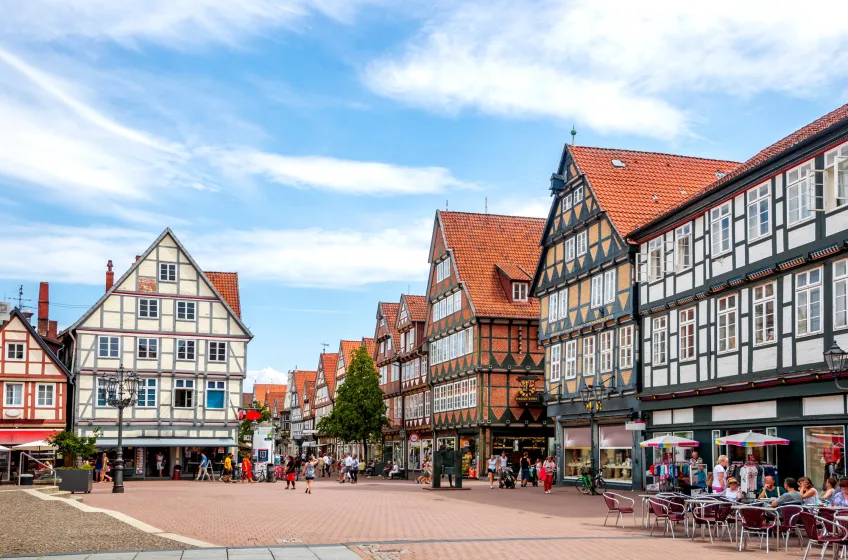
Known for its extraordinary collection of half-timbered houses, Celle is one of the prettiest towns in Lower Saxony. Its old town is a joy to explore, with brightly painted façades and lively squares. The Celle Castle, a former ducal residence, combines Renaissance and baroque elements and houses a theatre, chapel, and museum.
Hildesheim
Another UNESCO gem, Hildesheim is home to two magnificent Romanesque churches: St. Michael’s and St. Mary’s Cathedral. These 11th-century masterpieces feature stunning architecture and medieval artworks, including the famed Bernward Doors and the Hezilo chandelier. The town itself has an attractive centre with restored timber-framed houses.
Hanover Adventure Zoo
For families, the Hanover Adventure Zoo is one of Germany’s best, with themed zones recreating habitats from around the world. Highlights include boat rides through the “Zambezi” and immersive areas for polar bears, tigers, and elephants.
Wolfsburg and the Autostadt
Modern industry meets tourism in Wolfsburg, home of Volkswagen. The Autostadt is an interactive theme park dedicated to cars, with pavilions for different brands, driving experiences, and exhibitions on mobility and design. It’s a unique experience for car enthusiasts, though the city also has good museums and a castle.
Hamelin
Made famous by the tale of the Pied Piper, Hamelin (Hameln) is a picturesque town on the River Weser with a beautifully preserved old town full of Weser Renaissance architecture. Guided tours and performances bring the Pied Piper legend to life, making it a fun and atmospheric destination.
Hanover Adventure Gardens and Maschsee
The Maschsee, an artificial lake near Hanover’s centre, is a local favourite for boating, walking, and festivals. In summer, the Maschseefest turns the lake into a hub of music, food, and events.
Bad Harzburg
A spa town on the edge of the Harz Mountains, Bad Harzburg is known for its thermal baths, cable car, and hiking opportunities. It’s a great base for exploring the northern Harz.
Brunswick (Braunschweig)
Once the seat of the powerful Welf dynasty, Brunswick is full of medieval charm and cultural treasures. Highlights include Dankwarderode Castle, the Brunswick Lion statue, and a lively market square. Today it’s a dynamic university city with a blend of tradition and modern energy.
Practical Advice for Visitors
Getting There
Lower Saxony is easily accessible by air, train, and road. The main airport is Hanover Airport (HAJ), with international connections. Bremen Airport and Hamburg Airport also serve the region.
By train, Hanover is a major hub on Germany’s ICE network, linking Berlin, Hamburg, and Frankfurt. Regional trains and buses connect towns and tourist spots across the state. A car is useful for exploring rural areas, the Harz Mountains, and the North Sea coast.
Parking
Most towns have designated car parks and underground garages, especially near historic centres. Larger cities like Hanover and Wolfsburg offer park-and-ride systems. At popular tourist spots such as the Lüneburg Heath or the East Frisian Islands’ ferry terminals, parking can fill quickly in summer—so arrive early.
Dining
Lower Saxony’s cuisine reflects its landscapes: coastal seafood, hearty inland dishes, and sweet specialities. Popular dishes include Grünkohl mit Pinkel (kale with sausage, a winter staple), Labskaus (a sailor’s dish of corned beef, potatoes, and beetroot), and fresh North Sea shrimp.
Don’t miss the Thüringer-style bratwurst from neighbouring regions, or the Heidehonig (heather honey) from the Lüneburg Heath. Hanover’s Ratskeller and Celle’s traditional taverns are great places for local flavours.
Shopping
Look for Frisian tea and ceramics, heather products, and local wines from the Hamelin area. The East Frisian Islands sell charming maritime souvenirs, while Wolfsburg offers sleek car-themed gifts. Lüneburg and Celle have excellent markets and boutiques.
When to Visit
Summer (June–August) is ideal for the coast and islands, with warm weather and lively seaside towns. Late August and early September are the best times to see the Lüneburg Heath in full purple bloom. Autumn is perfect for hiking in the Harz Mountains, with beautiful foliage. Winter brings Christmas markets, especially in towns like Goslar, Hildesheim, and Hanover. Spring is pleasant for city breaks and quieter outdoor adventures.
Local Events
-
Hanover Schützenfest (July): One of the world’s largest marksmen’s festivals, with parades and fairs.
-
Maschseefest, Hanover (August): A summer festival by the lake with food, music, and fireworks.
-
Christmas Markets (late November–December): Goslar, Hildesheim, and Hanover have some of the region’s most atmospheric markets.
-
Wacken Open Air (nearby in Schleswig-Holstein, August): Not in Lower Saxony but close enough for metal fans travelling through.
-
Lüneburg Heath Bloom Festival (late August): Celebrating the flowering season with parades and events.
Exploring Beyond Lower Saxony
Lower Saxony is surrounded by exciting destinations. To the north lies Hamburg, perfect for a city extension. To the east, Saxony-Anhalt offers towns like Magdeburg and Quedlinburg. To the south, Thuringia and Hesse provide cultural depth and natural beauty. The Netherlands is just across the border to the west, making Lower Saxony a perfect stop on a cross-border trip.
With its rich variety of landscapes, historic towns, and cultural gems, Lower Saxony is a state that captures the essence of northern and central Germany. Whether you’re wandering through heathland, climbing medieval towers, or relaxing on an island beach, it’s a destination full of surprises and lasting impressions.
Shortlist
- Your Shortlist is empty