
Annaberg-Buchholz | A Visitor's Introduction to Annaberg-Buchholz
Recommended places to visit, places to stay and things to do in and around Annaberg-Buchholz
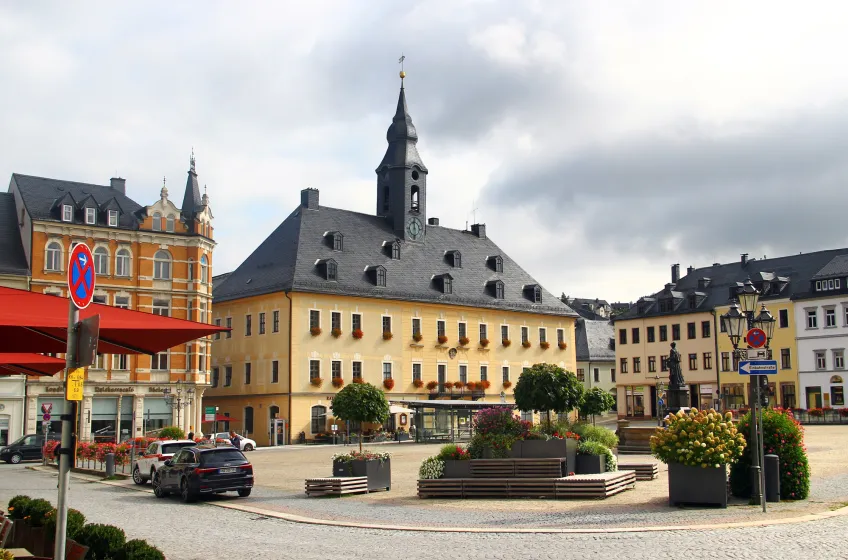
Annaberg-Buchholz is a picturesque town nestled in the Ore Mountains (Erzgebirge) of Saxony, Germany. Steeped in mining heritage and traditional craftsmanship, it’s best known for its enchanting Christmas markets, intricate wood carving, and historic silver mining industry. This charming town, surrounded by rolling hills and forests, is a perfect destination for culture seekers, history enthusiasts, and those who love a festive atmosphere. With its well-preserved old town, welcoming atmosphere, and rich local traditions, Annaberg-Buchholz offers an authentic taste of Saxon heritage in a setting that feels both timeless and inviting.
Recommended Annaberg-Buchholz accommodation: Hotels Apartments
Pre-book Annaberg-Buchholz Attractions, Tours & Experiences
Why is Annaberg-Buchholz Worth a Visit?
Annaberg-Buchholz is worth visiting for its unique blend of cultural depth, festive charm, and historical importance. The town was once a major centre of silver mining in the 16th century, and this legacy has shaped much of its architecture and traditions. Today, it retains a strong identity rooted in Erzgebirge folklore, especially evident during the Christmas season, when it transforms into a winter wonderland of lights, crafts, and music.
The town’s connection to mining is not just historical but forms a living culture, represented in museums, festivals, and even daily life. You’ll find traditional wooden pyramids, Schwibbögen (arched candle holders), and nutcrackers in shop windows year-round. Beyond Christmas, Annaberg-Buchholz offers a relaxing escape with cobbled streets, scenic viewpoints, and close proximity to outdoor adventures in the Ore Mountains.
Whether you're marvelling at the craftsmanship of local artisans, descending into historic mines, or enjoying hearty regional cuisine, Annaberg-Buchholz invites you to slow down and savour a side of Germany often missed by the mainstream tourist trail.
Annaberg-Buchholz Highlights: Things to See and Do in Annaberg-Buchholz
St. Anne’s Church (St. Annenkirche)
This Gothic church is the largest of its kind in the Saxon part of the Ore Mountains and a masterpiece of late Gothic architecture. Built between 1499 and 1525, St. Anne’s Church stands as a testament to the town’s former wealth derived from silver mining. Inside, visitors can admire the intricate miner’s altar, beautifully carved pews, and stunning vaults that soar overhead. The church also features exhibits detailing the mining history of the town, making it both a spiritual and cultural landmark.
Tip: Climb the tower for panoramic views over Annaberg-Buchholz and the surrounding Erzgebirge hills.
Manufaktur der Träume (Manufacture of Dreams)
This museum is a magical place showcasing folk art and toys from the Ore Mountains. The interactive exhibitions include hundreds of delicate wooden figures, nutcrackers, and mechanical toys, many of which date back centuries. It’s an immersive journey into the craftsmanship and imagination of the region’s artisans, and particularly enchanting for children and adults alike.
Tip: Don’t miss the interactive displays and animations that bring traditional Erzgebirge life and legends to life.
Ore Mountain Museum (Erzgebirgsmuseum) and St. Anne’s Mine (Frohnauer Hammer)
Housed in a Renaissance building in the town centre, the Erzgebirgsmuseum offers a deep dive into local life, mining traditions, and folklore. From mining tools to folk costumes, the collection is a treasure trove of regional history. Included in the visit is a tour of the nearby St. Anne’s Mine (originally the Frohnauer Hammer), where you can descend underground into the world of 16th-century silver miners.
Tip: Wear sturdy shoes and a warm jacket – the mine is cool and damp year-round.
Annaberg Christmas Market
One of the most atmospheric in Germany, the Annaberg-Buchholz Christmas Market is a true celebration of Erzgebirge traditions. Held annually from late November until just before Christmas Eve, the market is famous for its handcrafted goods, warm drinks, and festive entertainment. The town is adorned with thousands of lights, and a life-sized pyramid rotates in the market square.
Tip: Visit in the evening to experience the market at its most magical, with live music and steaming Glühwein in hand.
Ore Mountain Miners’ Parade (Bergparade)
Held during the Christmas season, the Bergparade is a unique and moving celebration of mining heritage. Hundreds of participants in traditional mining uniforms parade through the town with music and lights. The event reflects deep-rooted pride in the region’s mining history and is an unforgettable spectacle.
Tip: Check the parade schedule in advance – it usually takes place on one or two weekends in December.
Markus Röhling Stolln Visitor Mine
Just a short drive from the town centre, this former silver mine offers guided underground tours in which visitors can explore old tunnels and learn about the hard lives of miners. A mine train ride takes you deep into the earth, where exhibits and lighting effects recreate the mining conditions of the past.
Tip: Tours are in German, but English leaflets are often available. It’s a good idea to call ahead during off-season periods.
Frohnauer Hammer Museum
This water-powered hammer mill is one of the oldest working of its kind and gives a vivid picture of metalworking and mining-related craftsmanship from centuries ago. The blacksmith’s demonstrations, the preserved machinery, and the picturesque setting make this a fascinating stop.
Tip: Combine your visit with a walk through the nearby Frohnau district, known for its scenic charm.
Adam Ries Museum
Dedicated to the famous mathematician Adam Ries (1492–1559), this small museum is located in his former home and celebrates his contributions to mathematics and education. It's particularly engaging for families and anyone with an interest in the history of science and learning.
Tip: Look out for the old calculating boards and replicas of his arithmetic books, which helped shape maths education in Europe.
Pöhlberg Mountain
Towering above the town, Pöhlberg offers hiking trails, a viewing tower, and picnic spots. On a clear day, the views from the summit stretch across the Ore Mountains and into the Czech Republic. In winter, the area offers small-scale skiing and sledging.
Tip: Hike up in the morning and enjoy lunch at the Pöhlbergbaude restaurant, a rustic mountain inn with hearty fare.
The Kät Festival
Held annually in June, the Annaberger Kät is one of the oldest folk festivals in Saxony, dating back over 500 years. This two-week event features rides, games, food stalls, and live music. It’s a colourful, lively contrast to the town’s quieter traditions and draws families from across the region.
Tip: Arrive early in the evening to beat the crowds and enjoy the full carnival atmosphere.
Practical Advice for Visitors
Getting There
Annaberg-Buchholz is well connected by road and rail, though it’s best reached via Chemnitz, the nearest major city. From Chemnitz, regional trains run frequently to Annaberg-Buchholz, taking about 1 hour. If you’re driving, the B95 road provides scenic access through the Erzgebirge from Leipzig or Dresden, both about 90 minutes away.
For international travellers, the closest airports are Dresden (approx. 1.5 hours by car) and Leipzig/Halle (approx. 2 hours). From there, rental cars or train connections make getting to the town straightforward.
Parking
There are several public car parks near the old town, including at the “Altstadt” garage and by the St. Annenkirche. During Christmas market season and festivals, parking can be tight, so arrive early or use park-and-ride services where available. Most town centre spots are metered, with clear signage.
Dining
Annaberg-Buchholz has a great selection of cosy eateries serving regional Saxon and Erzgebirge specialities. For a traditional meal, try Gaststätte Alte Brauerei for Sauerbraten and dumplings or Zur Schmiede for rustic local favourites. Café Zeitwerk is a charming stop for coffee and cake, particularly the classic Stollen or a slice of Eierschecke.
Tip: During Christmas, warm up with a bowl of “Neunerlei,” a traditional festive meal of nine symbolic dishes served only in the Erzgebirge.
Shopping
The town is a haven for handcrafted goods, especially wooden Christmas decorations. Wendt & Kühn, Blank Kunsthandwerk, and Richard Glässer are some of the most famous names in Erzgebirge woodcraft, and you’ll find their workshops or shops around town. Pick up a hand-carved nutcracker, incense smoker, or a Schwibbogen for a unique souvenir.
The Weihnachtsland (Christmas Land) shop is open year-round and feels like stepping into Santa’s workshop.
When to Visit
December is arguably the best time to visit Annaberg-Buchholz, as the town truly shines during the Advent season. The Christmas Market and Bergparade create a magical atmosphere, but expect crowds. Spring and autumn are quieter and perfect for scenic walks and museum visits. Winter also brings opportunities for snow sports in the nearby Ore Mountains.
Summer, particularly June, brings festival vibes with the Kät and mild weather for exploring the countryside.
Local Events
-
Annaberger Kät (June): Traditional fair with food, rides, and concerts
-
Christmas Market & Bergparade (late November to December): The town’s most iconic event
-
Day of Traditional Crafts (Tag des traditionellen Handwerks) (October): Artisans open their workshops to the public
Exploring Beyond Annaberg-Buchholz
If you have extra time, the surrounding Ore Mountains are full of charming towns and outdoor opportunities:
-
Seiffen (about 1.5 hours away): The “Toy Village,” famous for its wooden crafts and Christmas shops
-
Oberwiesenthal (45 minutes): Germany’s highest town, great for skiing and hiking
-
Fichtelberg Mountain: The highest peak in Saxony, with a cable car and panoramic views
-
Chemnitz (1 hour): Urban contrast with museums, modern shopping, and history
-
Schneeberg: Another mining town with a beautiful baroque church and candle-making traditions
Final Thoughts
Annaberg-Buchholz is a hidden gem in the German landscape, offering a rich cultural tapestry and heart-warming traditions in a scenic mountain setting. Whether you're coming for its legendary Christmas spirit, its historical depth, or just to unwind in a storybook setting, this charming Saxon town delivers a travel experience full of character and authenticity. It’s not just a place to visit—it’s a place to experience.
Shortlist
- Your Shortlist is empty