
Discover Bautzen | A Visitor's Introduction to Bautzen
Recommended places to visit, places to stay and things to do in and around Bautzen
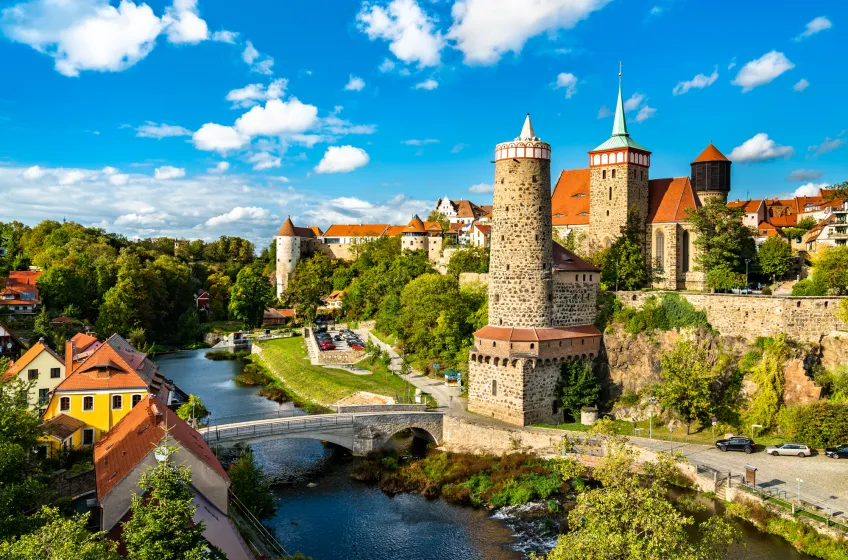
Bautzen is a striking medieval town in eastern Saxony, Germany, perched on a granite plateau above the River Spree. Known for its wonderfully preserved old town, centuries-old towers, and rich Sorbian heritage, Bautzen blends architectural charm with cultural depth. This historic gem is a perfect destination for lovers of history, architecture, and off-the-beaten-path travel. With its cobbled streets, colourful facades, and unique bilingual culture, Bautzen offers a fascinating glimpse into a lesser-known corner of Germany.
Search All Bautzen Accommodation
Pre-book Bautzen Attractions, Tours & Experiences
Why is Bautzen Worth a Visit?
Bautzen is worth visiting for its rare mix of medieval architecture, deep-rooted Slavic heritage, and dramatic townscape. The town boasts one of the best-preserved historic centres in Saxony, featuring over a dozen towers, defensive walls, and gabled townhouses that transport visitors straight into the Middle Ages. Unlike larger German cities, Bautzen feels intimate, authentic, and unspoiled by mass tourism.
What truly sets Bautzen apart is its role as the cultural heart of the Sorbian people — a Slavic minority with their own language, traditions, and customs. This dual German-Sorbian identity is visible on street signs, in museums, and during annual festivals, making it a compelling cultural experience.
The town also played a notable role in East German history and was home to the infamous Bautzen prisons, now museums. Combined with scenic river walks, charming cafés, and impressive religious architecture, Bautzen offers a rewarding and eye-opening trip into an often-overlooked region.
Whether you’re tracing centuries-old walls, attending a Sorbian Easter celebration, or exploring Saxon culinary delights, Bautzen will leave a lasting impression.
Bautzen Highlights: Things to See and Do in Bautzen
The Old Town (Altstadt)
Bautzen’s Altstadt is arguably its most striking feature, a dense concentration of historical buildings wrapped in medieval walls. Wander the cobbled lanes and admire pastel-coloured Renaissance and Baroque facades, red-tiled roofs, and ornate doorways. Highlights include the town hall with its spiral staircase tower and the main market square (Hauptmarkt), where you’ll often find local events or small markets. Early mornings or evenings are best for quiet strolls and photos when the soft light illuminates the old town’s warm hues.
Ortenburg Castle (Burg Ortenburg)
Dominating a rocky outcrop above the Spree River, Ortenburg Castle is one of Bautzen’s standout landmarks. This impressive fortress was once the seat of Saxon rulers and now houses the Sorbian Museum, where visitors can dive deep into the language, folklore, costumes, and history of the Sorbian people. The castle's courtyard and views from the ramparts are worth the visit alone. It's also a great starting point for a walk along the River Spree.
St. Peter’s Cathedral (Dom St. Petri)
This striking church is unique in that it is used by both Catholics and Protestants — one of the oldest such arrangements in Germany. With its Gothic rib-vaulted ceilings, intricate altars, and stained glass windows, St. Peter’s is both spiritually and architecturally captivating. Climb the tower for panoramic views over the old town and surrounding countryside.
Reichenturm (Rich Tower)
The Reichenturm is often called one of the most leaning towers north of the Alps — and yes, it noticeably tilts! Originally built in the 15th century as part of the city’s defences, it now serves as a symbol of Bautzen. Visitors can climb the spiral staircase for views over the rooftops and get a close look at the tower’s centuries-old construction.
Bautzen Memorial (Gedenkstätte Bautzen)
A sobering but essential visit, this memorial is housed in the former Stasi prison Bautzen II, used during both Nazi and East German rule. The exhibits here provide a harrowing look into political persecution, surveillance, and resistance under totalitarian regimes. It's a powerful reminder of the town’s 20th-century history and a must for those interested in Germany’s darker past.
The City Walls and Towers
Bautzen’s old city walls are still largely intact, encircling the town with dramatic towers at regular intervals. Walk along the walls or follow the well-marked tower route (Turmweg) to see structures like the Wasserturm (Water Tower), Mühltor, and Nicolaizwinger, each with its own story and view.
Sorbian Museum (Sorbisches Museum)
Located inside the Ortenburg Castle complex, this museum is a deep dive into Sorbian culture — from traditional embroidered costumes to folklore, rituals, and the ongoing preservation of the Sorbian language. It’s an eye-opening experience that showcases the unique blend of cultures that define Bautzen.
River Spree Walk and Hanging Gardens
Below the old town, the Spree River meanders through a peaceful valley, offering lovely walking paths with views back up toward the ramparts and towers. The Hanging Gardens (Hängenden Gärten), terraced into the rock below the town, are particularly beautiful in spring and summer. This quieter side of Bautzen is perfect for a relaxing stroll or a picnic with views.
Easter Riding (Osterreiten)
If you visit around Easter, don’t miss the Sorbian tradition of Easter Riding, where hundreds of men in black suits and top hats ride on horseback from village to village, singing religious songs in Sorbian. Bautzen is one of the main hubs for this tradition, and it’s an unforgettable cultural experience unlike anything else in Germany.
Bautzen Christmas Market
Come winter, Bautzen transforms into a festive wonderland with its romantic Christmas market set in the heart of the old town. Traditional stalls sell handmade crafts, mulled wine, roasted almonds, and regional specialities. The Sorbian influence adds a unique twist, with traditional songs and folk performances adding charm to the season.
Museum Bautzen (Stadtmuseum Bautzen)
Located in a former Franciscan monastery, this local history museum offers exhibits on Bautzen’s development from medieval times through to the modern era. The building itself is atmospheric, and the exhibits are multilingual and engaging, covering topics from trade to religious life and town traditions.
Röhrscheidtbastei and Art Museum
This former bastion now houses Bautzen’s art museum, with collections of local and regional artists as well as temporary exhibitions. The view from the bastion is excellent, and the surrounding defensive structures offer a glimpse into Bautzen’s military past.
Bautz’ner Mustard Museum
Bautzen is famous throughout Germany for its spicy mustard, known as Bautz’ner Senf. The museum and shop dedicated to this beloved condiment is a fun stop for foodies. You can sample different varieties and learn about its production, as well as pick up some for souvenirs.
Kleinwelka Dinosaur Park
Just outside of town in the suburb of Kleinwelka lies a quirky and fun attraction — a dinosaur and adventure park with life-sized models of prehistoric creatures. It’s ideal for families or anyone interested in a bit of kitschy fun.
Practical Advice for Visitors
Getting There
Bautzen is well connected by rail and road. Trains from Dresden take around 50 minutes and run regularly. From Berlin, the journey takes roughly 2.5 to 3 hours by train with a change, or around two hours by car via the A13 and A4 motorways. Buses also serve Bautzen from regional towns and cities. The nearest airport is Dresden International (about 60 km away), with connections to major European hubs.
If you’re driving, Bautzen is easily accessible via the A4 motorway, which runs from Dresden to Görlitz and on into Poland. It makes an ideal stopover on a cross-Germany or eastern Europe road trip.
Parking
There are several central car parks around the old town, including the Parkhaus Centrum and Parkplatz Schliebenstraße, both just a short walk from the Hauptmarkt. Street parking is available but limited, especially near tourist hotspots. Pay attention to signs regarding time limits and resident zones. Parking fees are modest compared to larger German cities.
Dining
Bautzen’s food scene combines hearty Saxon cuisine with Sorbian specialities and Central European influences. Try Dom-Eck for traditional dishes in a cosy setting, or Wjelbik, a highly rated Sorbian restaurant where you can sample dishes like Quarkkeulchen (curd cheese pancakes) or Hirschbraten (venison roast).
For a more casual meal, Café Central near the main square offers light bites, coffee, and great views. Those with a sweet tooth should try Eiswerkstatt Bautzen for ice cream or grab some freshly baked treats from Bäckerei Schäfer’s.
In warmer months, many restaurants offer outdoor seating with views of the old town or river.
Shopping
Bautzen’s shopping is delightfully local, with a mix of boutiques, bookshops, antique stores, and craft shops. The old town is the best area for browsing, particularly along Reichenstraße and the streets leading off the Hauptmarkt.
Be sure to pick up a jar of Bautz’ner Mustard, which makes for a tasty and inexpensive souvenir. Traditional Sorbian crafts, including embroidered fabrics, ceramics, and Easter eggs, are also available in specialist shops and museums.
When to Visit
Spring and summer (April to September) are the best times to visit Bautzen, when the weather is pleasant and the gardens and riverbanks are in full bloom. Easter is a particularly special time to experience Sorbian culture through the Osterreiten and decorated eggs.
Autumn is quieter but beautiful, especially with golden leaves against the medieval skyline. Winter brings the magic of the Christmas market and a peaceful, festive atmosphere, although some attractions may have shorter hours.
Avoid Mondays if possible, as many museums and restaurants are closed.
Local Events
Easter Riding (Osterreiten) – Held on Easter Sunday, this unique tradition sees Sorbian horsemen travel between villages, spreading blessings and songs. It’s a deeply moving cultural experience and worth timing your visit around.
Bautzen Spring Festival (Frühlingsfest) – Usually in May, this family-friendly event includes rides, market stalls, and live music.
Old Town Festival (Altstadtfest) – Held in late summer, this lively celebration fills the historic centre with food, performances, music, and crafts.
Bautzen Christmas Market (Wenzelsmarkt) – Dating back to 1384, it’s one of the oldest Christmas markets in Germany and runs through Advent with a charming mix of lights, traditions, and Sorbian influence.
Exploring Beyond Bautzen
If you have extra time, the surrounding Lusatian region offers plenty of delights. Görlitz, about 40 minutes east, is one of Germany’s most beautiful towns, with stunning architecture spanning Gothic to Art Nouveau.
Lusatian Lake District (Lausitzer Seenland) lies just to the north and offers a growing network of man-made lakes with walking trails, boat rentals, and beaches — great for a summer day out.
Upper Lusatian Heath and Pond Landscape is a UNESCO Biosphere Reserve with serene nature, ideal for birdwatching, hiking, or cycling.
Also worth visiting is Kleinwelka Maze and Miniature Park, perfect for families, and Kamenz, the birthplace of poet Lessing, located about 30 minutes away by car.
In summary, Bautzen is a captivating destination where medieval charm, poignant history, and vibrant minority culture come together in a way few towns can match. Whether you’re delving into the past, enjoying local traditions, or simply relaxing in a picturesque setting, Bautzen is an enriching and memorable place to explore.
Shortlist
- Your Shortlist is empty