
Discover Southern Germany | A Visitor's Introduction to Southern Germany
Recommended places to visit, places to stay and things to do throughout Southern Germany
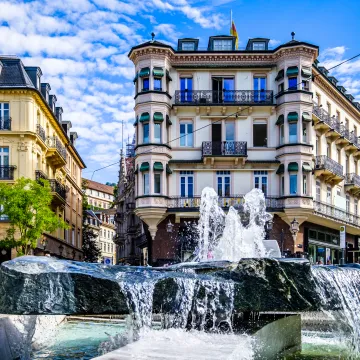
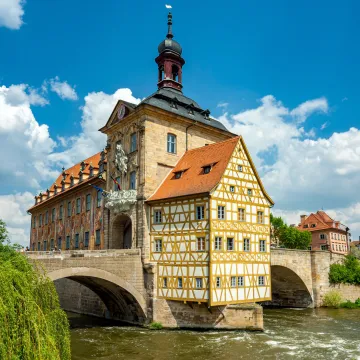
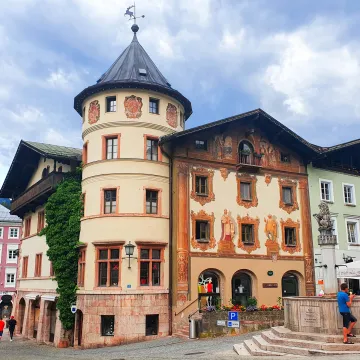
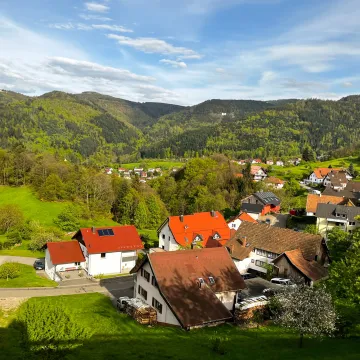
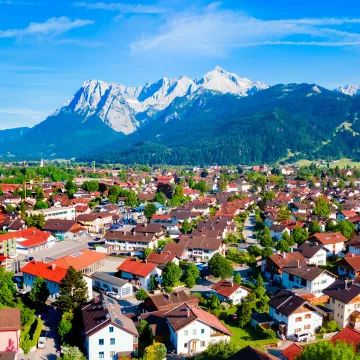
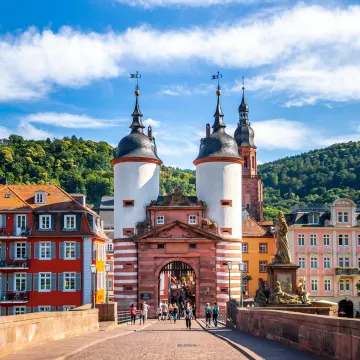
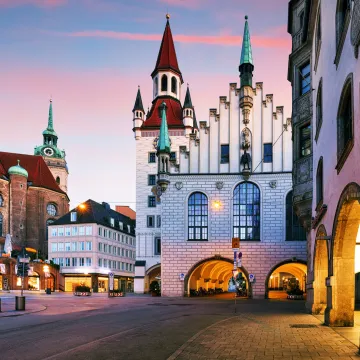
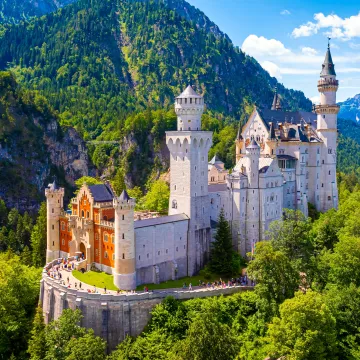
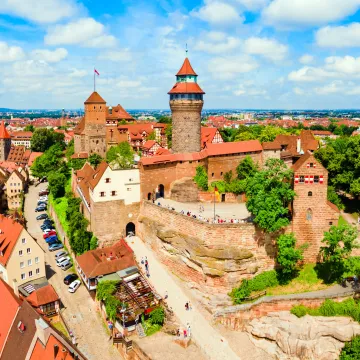
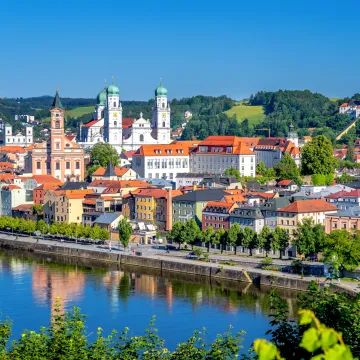
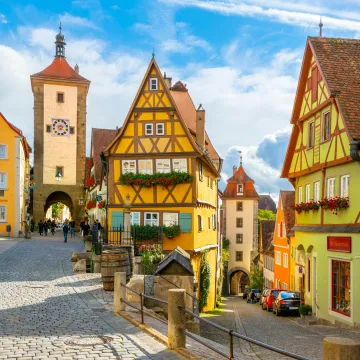
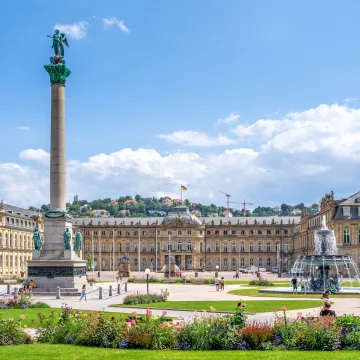
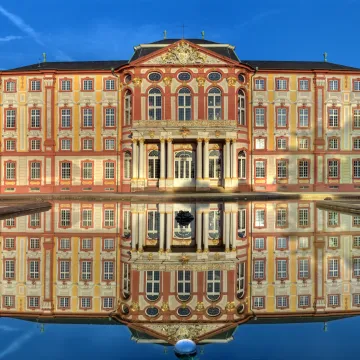
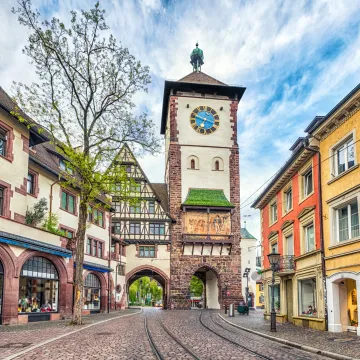
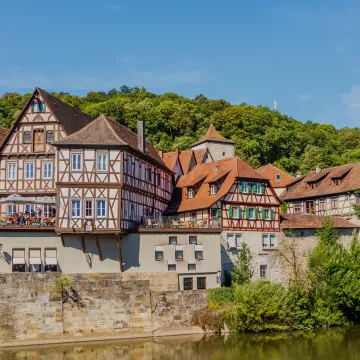
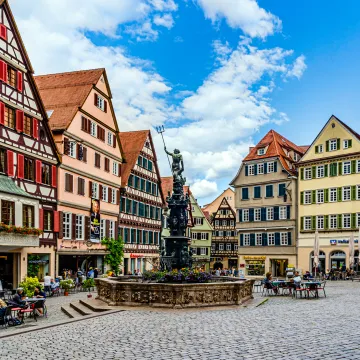
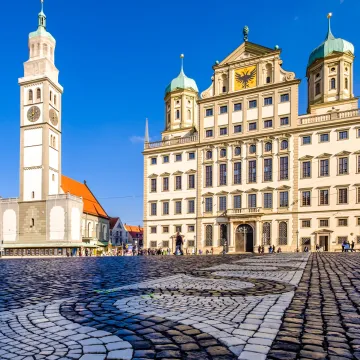
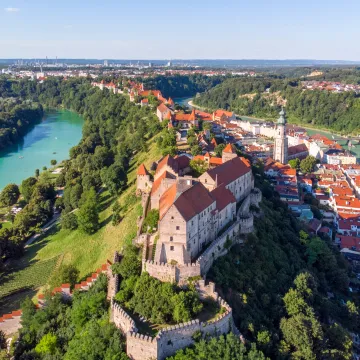
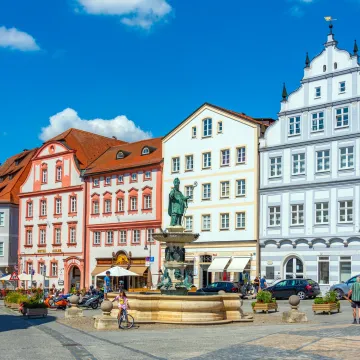
Southern Germany is a diverse and captivating region, stretching across Bavaria and Baden-Württemberg. It is known for its fairy-tale castles, Alpine peaks, charming medieval towns, and vibrant cultural traditions. From the grandeur of Munich to the vineyards along the Rhine and the rolling landscapes of the Black Forest, this part of Germany is a dream destination for travellers who enjoy a mix of history, scenery, and hearty food. Whether you’re looking to hike in the Alps, sip wine in a picturesque valley, or wander through cobbled streets lined with half-timbered houses, Southern Germany has something for everyone.
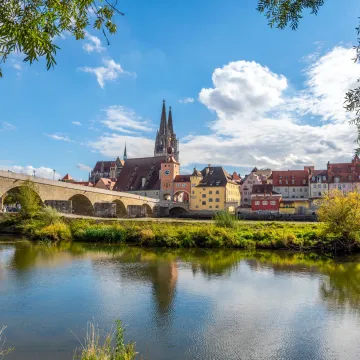
Why is Southern Germany Worth a Visit?
Southern Germany is worth visiting because it offers one of the richest and most varied travel experiences in Europe. Its landscapes are breathtaking, ranging from the jagged peaks of the Bavarian Alps to the dark, forested hills of the Schwarzwald. Culturally, it is steeped in tradition yet effortlessly modern: villages celebrate centuries-old festivals while cities buzz with art, nightlife, and cutting-edge design.
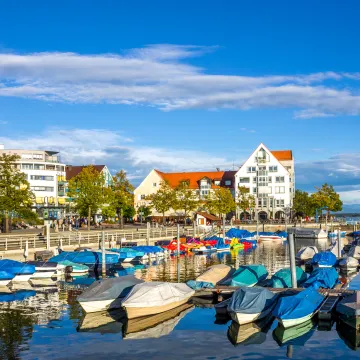
The region is also home to iconic sights like Neuschwanstein Castle, the Romantic Road, and Lake Constance. But beyond the famous attractions, Southern Germany shines in its everyday pleasures—cosy beer gardens, mountain huts serving hearty fare, and small towns where time seems to slow down. Whether you’re seeking outdoor adventure, cultural immersion, or culinary delights, Southern Germany delivers a blend that feels both quintessentially German and wonderfully unique.
Practical Advice for Visitors
Getting There
Southern Germany is well served by international airports, including Munich, Stuttgart, and Nuremberg. Frankfurt, though technically in central Germany, is also a major gateway. High-speed trains connect cities like Munich, Stuttgart, and Nuremberg, while regional trains and buses link smaller towns. Driving is often the best way to explore rural areas like the Romantic Road or the Black Forest.
Parking
Cities often have multi-storey car parks close to the centre, though it’s worth checking if your accommodation includes parking. In smaller towns and villages, on-street parking is usually straightforward, though some historic centres are pedestrian-only. The Autobahn network makes travel efficient, but do note parking can be tight in peak tourist spots like Neuschwanstein.
Dining
Southern Germany is a paradise for food lovers. Bavarian cuisine includes pretzels, sausages (Weißwurst in particular), and hearty pork dishes, often enjoyed with beer. In Baden-Württemberg, Swabian specialities like Spätzle (egg noodles) and Maultaschen (stuffed pasta) are staples. Wine is as important here as beer—Franconian whites and Baden reds are excellent. Be sure to try Black Forest gateau in its homeland, and stop at a mountain hut (Hütte) for rustic fare if hiking in the Alps.
Shopping
Each region has its own crafts and products worth bringing home. The Black Forest is famous for cuckoo clocks, while Bavarian towns sell traditional clothing like dirndls and lederhosen. Beer steins, Christmas decorations (especially from Nuremberg), and regional wines all make excellent souvenirs. Many towns also have weekly farmers’ markets selling cheese, bread, and cured meats.
When to Visit
The best time to visit depends on your interests. Summer (June–August) is ideal for hiking, cycling, and lake activities, though it’s also the busiest season. Autumn (September–October) is wonderful for wine harvests, colourful foliage, and festivals like Oktoberfest. Winter brings Christmas markets and Alpine skiing, making December particularly atmospheric. Spring is quieter, with blooming landscapes and fewer crowds.
Local Events
Southern Germany is packed with festivals. Oktoberfest in Munich (late September to early October) is world-famous, while smaller beer festivals across Bavaria offer a more local feel. Nuremberg’s Christkindlesmarkt is one of Germany’s most enchanting Christmas markets. In spring, wine festivals are common in Franconia and Baden. Fasching (carnival) in February is celebrated with parades, especially in Swabia and along the Rhine.
Exploring Beyond Southern Germany
If you have extra time, there are excellent options just across the borders. From Bavaria, Austria’s Salzburg and Innsbruck are within easy reach. From Baden-Württemberg, you can hop into Switzerland to visit Zurich or Lucerne, or into Alsace in France for wine and medieval villages. Southern Germany also connects easily to central German destinations like Frankfurt, Würzburg, and Heidelberg, making it simple to extend your trip.
Southern Germany is a region where history, tradition, and natural beauty meet in perfect harmony. It’s a place where you can stroll through a medieval town in the morning, hike an Alpine trail in the afternoon, and end the day with a plate of Spätzle and a local beer or wine. Whether you’re planning a short city break or a longer road trip, Southern Germany rewards every visitor with a blend of iconic sights and hidden gems that you’ll remember long after you leave.