
Discover Hesse | A Visitor's Introduction to Hesse
Recommended places to visit, places to stay and things to do in Hesse
Hesse (Hessen in German) is a diverse state in the heart of Germany, blending lively cities with romantic landscapes and storybook castles. Best known for its cosmopolitan hub Frankfurt am Main, Hesse also offers fairy-tale towns along the Rhine and Main rivers, lush vineyards, and the rolling hills of the Taunus and Odenwald. This is also the homeland of the Brothers Grimm, whose folk tales were inspired by the villages and forests of the region. Whether you’re drawn by finance and skyscrapers, spa culture, hiking trails, or half-timbered charm, Hesse is a destination that surprises and delights.
Recommended Hesse accommodation: Hotels Bed & Breakfasts Holiday Homes
Pre-book Hesse Attractions, Tours & Experiences
Why is Hesse Worth a Visit?
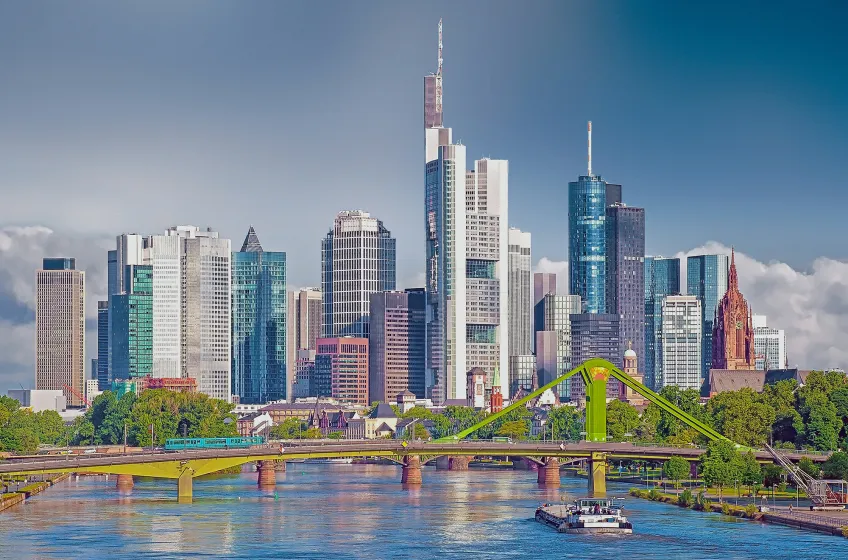
Hesse is worth visiting for its unique balance of modernity and tradition. Frankfurt is Germany’s international gateway, famous for its futuristic skyline, museums, and bustling airport. Yet just beyond the city, Hesse unfolds into tranquil countryside, medieval towns, and vineyards along the Rhine Gorge, a UNESCO World Heritage Site.
The state is rich in history, from Roman settlements to medieval castles, and its landscapes range from river valleys to dense forests ideal for walking and cycling. Add to that its culinary traditions—such as Frankfurter green sauce, cider (Apfelwein), and regional wines—and you’ll find Hesse offers a truly authentic slice of German life. It’s central location also makes it a perfect base for exploring the rest of Germany.
Hesse Highlights: Things to See and Do in Hesse
Frankfurt am Main
Germany’s financial powerhouse, Frankfurt, is often the first stop for visitors. The Römerberg, the historic main square, is lined with reconstructed half-timbered houses and the Gothic St. Bartholomew’s Cathedral. Along the Main River, the Museumsufer (Museum Embankment) boasts world-class museums such as the Städel (art), the German Film Museum, and the Museum of World Cultures.
Modern Frankfurt is represented by the Main Tower, offering panoramic views, and the bustling shopping street Zeil. The city is also famous for its cider taverns in the Sachsenhausen district, where you can try traditional Apfelwein and hearty local food.
Wiesbaden
The elegant capital of Hesse, Wiesbaden, is one of Europe’s oldest spa towns. With its grand 19th-century villas, thermal baths, and the opulent Kurhaus, it exudes sophistication. The Nerobergbahn funicular railway takes visitors up to scenic viewpoints, and the town is also a gateway to the Rheingau wine region. Wiesbaden pairs beautifully with a visit to nearby Mainz (in Rhineland-Palatinate), just across the Rhine.
Kassel and the Bergpark Wilhelmshöhe
In northern Hesse, Kassel is famous for its parks and art. The Bergpark Wilhelmshöhe, a UNESCO World Heritage Site, features baroque water features, cascades, and the towering statue of Hercules, overlooking the city. Kassel also hosts documenta, one of the world’s leading contemporary art exhibitions, held every five years. The Brothers Grimm Museum (Grimmwelt) celebrates the fairy-tale collectors who lived and worked in Hesse.
Marburg
Marburg is a charming university town with a fairy-tale feel. Its hilltop Landgrave’s Castle (Landgrafenschloss) and winding medieval streets make it a delight to explore. The Elisabethkirche, one of Germany’s earliest Gothic churches, is a pilgrimage site dedicated to St. Elisabeth of Hungary. With its youthful student energy, Marburg blends history with vibrant modern life.
Rhine Gorge and Rheingau Wine Region
The Upper Middle Rhine Valley, partly in Hesse, is one of Germany’s most beautiful landscapes. Castles crown the hills above vineyards and villages, while river cruises offer the perfect way to admire the scenery. The Rheingau wine region, stretching from Wiesbaden to Rüdesheim, is world-famous for its Riesling wines. Stop at wineries for tastings, visit the romantic Kloster Eberbach monastery, or ride the cable car in Rüdesheim for sweeping views.
Darmstadt
A city of science and art, Darmstadt is closely linked with the Art Nouveau movement. The Mathildenhöhe Artists’ Colony, now a UNESCO World Heritage Site, showcases remarkable architecture and design from the early 20th century. Darmstadt is also home to excellent museums and is a centre for modern research and technology.
Fulda
In eastern Hesse, Fulda is a baroque jewel. The Fulda Cathedral, St. Michael’s Church, and the Palace of the Prince-Abbots showcase the city’s religious and aristocratic history. Fulda is also a gateway to the Rhön Mountains, a UNESCO Biosphere Reserve with hiking trails and dark-sky stargazing opportunities.
Hanau
Known as the birthplace of the Brothers Grimm, Hanau celebrates them with the German Fairy-Tale Route, which winds through Hesse. Hanau’s squares, monuments, and nearby forests reflect the fairy-tale spirit. The Philippsruhe Castle on the banks of the Main is also worth a visit.
Taunus Mountains
Just north of Frankfurt, the Taunus Mountains are popular for hiking, cycling, and wellness. Spa towns like Bad Homburg offer relaxation, while historic sites such as the Roman fort of Saalburg, part of the UNESCO-listed Limes frontier, connect visitors to ancient history.
Odenwald
The Odenwald is a low mountain range of rolling hills, forests, and picturesque villages. Castles like Schloss Erbach and folklore-inspired landscapes make it a great area for day trips or cycling holidays. The Odenwald is especially beautiful in autumn, with its colourful foliage.
Practical Advice for Visitors
Getting There
Hesse is one of Germany’s best-connected regions. Frankfurt Airport (FRA) is Europe’s busiest hub and the natural entry point. From there, the German rail network connects quickly to Wiesbaden, Kassel, Darmstadt, and Fulda. Driving is also straightforward, with excellent motorways crisscrossing the state.
Parking
Major cities like Frankfurt and Wiesbaden have multi-storey car parks and park-and-ride facilities. Old towns such as Marburg or Fulda are best explored on foot, so it’s often easiest to park on the outskirts.
Dining
Hesse’s cuisine is hearty and distinctive. Don’t miss Frankfurter Grüne Soße (green sauce), a blend of herbs, sour cream, and eggs, often served with potatoes and boiled beef. Handkäse mit Musik is a tangy cheese dish, while Apfelwein (apple cider) is the state’s signature drink, especially in Frankfurt’s Sachsenhausen taverns. In the Rheingau, sample crisp Rieslings paired with regional dishes like sausages or roast pork.
Shopping
Look for wine from the Rheingau, Grimm-themed souvenirs, and Apfelwein mugs. Frankfurt offers luxury shopping along the Goethestraße, while Wiesbaden and Kassel feature stylish boutiques. Local markets, particularly in smaller towns, are excellent for regional produce.
When to Visit
Spring and summer are perfect for exploring vineyards, castles, and hiking trails, with warm but not overly hot weather. Autumn is ideal for wine festivals and colourful landscapes. Winter brings charming Christmas markets, especially in Frankfurt, Wiesbaden, and Fulda. The Rheingau region’s festive atmosphere is particularly magical.
Local Events
-
Rheingau Wine Festival (August, Wiesbaden): Celebrating the region’s famous Rieslings.
-
Frankfurt Book Fair (October): The world’s largest trade fair for books.
-
Documenta (every five years, Kassel): A globally renowned contemporary art exhibition.
-
Wiesbaden Spa Festival (spring): Showcasing the city’s spa and cultural heritage.
-
Christmas Markets (December): Frankfurt, Wiesbaden, and Fulda are especially atmospheric.
Exploring Beyond Hesse
Hesse’s central location makes it an excellent base for wider travel. To the west lies the Moselle Valley and Cologne, to the east Thuringia and Saxony-Anhalt, and to the south Bavaria with Würzburg and Franconia. Day trips along the Romantic Rhine or to Heidelberg are also easily possible.
Hesse offers a little bit of everything: buzzing cities, rolling hills, fairy-tale castles, and vineyards by the river. Whether you’re sipping cider in Frankfurt, following the Brothers Grimm trail, or relaxing in a spa town, Hesse captures the essence of central Germany in all its variety and charm.
Shortlist
- Your Shortlist is empty