
Discover Dresden | A Visitor's Introduction to Dresden
Recommended places to visit, places to stay and things to do in and around Dresden
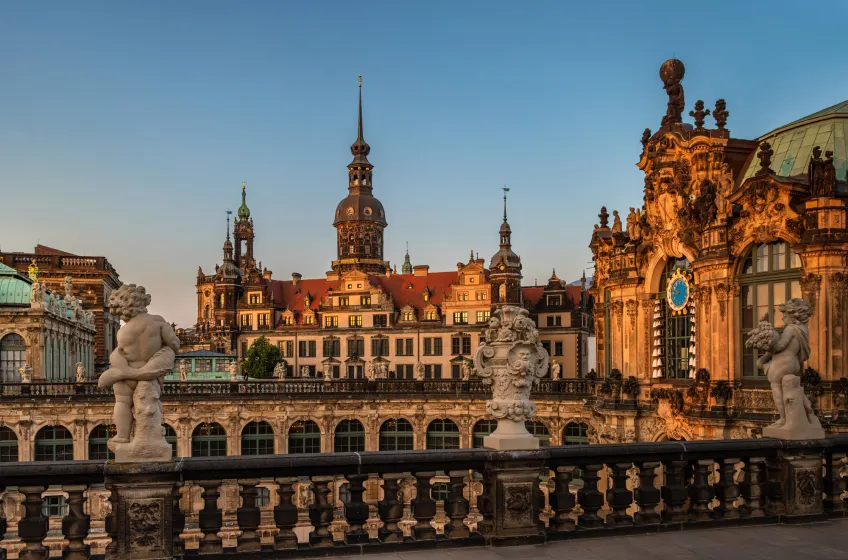
Dresden, the capital of Saxony in eastern Germany, is a city of remarkable beauty and resilience. Nestled on the banks of the River Elbe, it’s known as the “Florence on the Elbe” thanks to its stunning baroque architecture, world-class art collections, and riverside elegance. Nearly destroyed during the Second World War, Dresden has risen again, meticulously restoring its historic treasures while embracing a modern, youthful character. Today, it’s a city where grand palaces and opera houses sit comfortably alongside trendy bars, lively street art, and a relaxed café culture.
Recommended Dresden accommodation: Hotels Bed & Breakfasts Apartments
Pre-book Dresden Attractions, Tours & Experiences
Why is Dresden Worth a Visit?
Dresden is worth visiting for its extraordinary cultural riches, dramatic history, and scenic setting. Few cities embody both tragedy and triumph as Dresden does: its near-total destruction in 1945 was followed by decades under East German rule, before reunification sparked one of Europe’s most impressive urban restorations.
The city boasts architectural icons like the Frauenkirche and the Zwinger Palace, but it also has a vibrant contemporary side in districts such as Neustadt, with its street art, craft breweries, and indie shops. Add to this the wide green spaces along the Elbe, lively festivals, and proximity to the Saxon Switzerland National Park, and you’ll find a destination that caters to history lovers, culture seekers, and outdoor adventurers alike.
Dresden Highlights: Things to See and Do in Dresden
Frauenkirche (Church of Our Lady)
This baroque masterpiece is Dresden’s most iconic landmark. Destroyed in 1945 and left in ruins as a war memorial during the GDR era, it was rebuilt after reunification and completed in 2005. Its striking dome dominates the skyline, and visitors can climb to the viewing platform for panoramic views of the old town. Inside, the light-filled interior with pastel colours and gilded details is breathtaking.
Zwinger Palace
A jewel of baroque architecture, the Zwinger is both a palace and a cultural complex. Its pavilions and gardens are a delight to wander, but the real treasures lie inside: the Old Masters Picture Gallery, featuring Raphael’s Sistine Madonna, the Porcelain Collection, and the Royal Cabinet of Mathematical and Physical Instruments. The elegant courtyards and fountains make it a favourite photo spot.
Semperoper (Semper Opera House)
This ornate opera house is one of the most famous in Germany, known for its stunning architecture and outstanding performances. Whether you attend an opera, ballet, or symphony, the experience is memorable. Guided tours are also available for those wanting to admire the lavish interiors without attending a performance.
The Green Vault (Grünes Gewölbe)
Housed within Dresden Castle, this museum contains one of the world’s richest collections of treasures, amassed by Saxon electors and kings. The Historic Green Vault dazzles with gold, silver, and precious stones displayed in ornate rooms, while the New Green Vault focuses on individual masterpieces, including intricate ivory carvings and jewellery.
Brühl’s Terrace (Brühlsche Terrasse)
Nicknamed the “Balcony of Europe,” this riverside promenade offers superb views of the Elbe and Dresden’s skyline. Lined with statues, gardens, and historic buildings, it’s a great place for a leisurely stroll, especially at sunset when the city is bathed in golden light.
Dresden Neustadt
On the north bank of the Elbe, Neustadt (New Town) is Dresden’s alternative, bohemian district. Colourful murals, quirky shops, craft beer bars, and international restaurants make it the perfect contrast to the stately old town. The Kunsthofpassage, a series of courtyards decorated with imaginative art installations, is a must-see. Neustadt also comes alive at night with a buzzing nightlife scene.
Albertinum
This modern art museum, part of the State Art Collections, houses an impressive range of Romantic, modern, and contemporary works. From Caspar David Friedrich to Gerhard Richter, the Albertinum bridges Dresden’s artistic heritage with its present-day creativity.
Dresden Castle (Residenzschloss)
Once the seat of Saxon rulers, the castle is now a museum complex featuring several collections. Highlights include the Armoury, the Coin Cabinet, and the magnificent parade rooms. The Renaissance courtyard is particularly atmospheric and often hosts concerts or events.
Pillnitz Palace and Gardens
A short trip along the Elbe takes you to this riverside palace, once the summer residence of Saxon royalty. The palace combines baroque and chinoiserie styles, set in extensive gardens with botanical collections and glasshouses. It’s a peaceful retreat from the city centre.
Elbe River and Boat Cruises
The Elbe is central to Dresden’s charm, and one of the best ways to enjoy it is from the water. Paddle steamers, some of the oldest in the world, still operate along the river, offering cruises to nearby towns and vineyards.
Military History Museum (Militärhistorisches Museum)
Housed in a striking modernised building redesigned by Daniel Libeskind, this museum explores the human side of war, with thought-provoking exhibits on technology, politics, and personal stories. It’s one of Germany’s most engaging and unconventional military museums.
Practical Advice for Visitors
Getting There
Dresden is well connected. By air, Dresden Airport has flights to major European cities and a train link to the city centre (about 20 minutes). By train, high-speed services connect Dresden with Berlin (2 hours), Leipzig (1.5 hours), and Prague (2.5 hours). By car, the A4 and A17 motorways provide easy access.
Parking
If you’re driving, parking garages around the old town are convenient but can be pricey. Options include the Altmarkt-Galerie car park and underground garages near the Frauenkirche. Neustadt offers cheaper street parking, but spaces can be limited.
Dining
Dresden offers both traditional Saxon cuisine and international flavours. Local dishes include Sauerbraten (marinated beef), potato soup, and Quarkkäulchen (sweet cheese and potato pancakes). For hearty fare, try Pulverturm an der Frauenkirche, a restaurant in an old powder tower, or Sophie’s Brauhaus for beer and German classics. Neustadt is full of international eateries, from Vietnamese to Middle Eastern. Don’t forget to sample Eierschecke, a local layered cake made with custard and quark.
Shopping
The Altmarkt-Galerie is Dresden’s main shopping mall, with international brands and German retailers. For something more unique, Neustadt’s boutiques and design shops are great for picking up art, vintage finds, and handmade crafts. Traditional souvenirs include Meissen porcelain (made just outside Dresden), Saxon wines, and hand-painted Christmas decorations from the Erzgebirge region.
When to Visit
Spring and summer (May–September) are ideal for sightseeing, river cruises, and outdoor festivals. Autumn (September–October) brings colourful foliage along the Elbe and is a good time for wine tasting in the nearby Saxon vineyards. Winter is magical thanks to the Christmas markets, especially the Striezelmarkt, one of Germany’s oldest, dating back to 1434.
Local Events
-
Dresden Music Festival (May–June): A major classical music event featuring international performers.
-
Film Nights on the Elbe Banks (June–August): Outdoor cinema and concerts against the backdrop of Dresden’s skyline.
-
Canaletto Festival (August): A city festival with fireworks, music, and performances.
-
Striezelmarkt (December): Dresden’s world-famous Christmas market, known for its stollen (fruit bread) and festive atmosphere.
Exploring Beyond Dresden
-
Meissen (30 minutes by train): Famous for its porcelain and beautiful hilltop cathedral and castle.
-
Saxon Switzerland National Park (40 minutes by train or car): Dramatic sandstone cliffs and hiking trails, ideal for outdoor lovers.
-
Moritzburg Castle (30 minutes by car): A fairytale baroque hunting lodge set by a lake.
-
Leipzig (1.5 hours by train): A lively cultural city with strong musical traditions.
-
Prague (2.5 hours by train): Easy to combine with a Dresden trip for a cross-border city break.
Dresden is a city of contrasts—baroque elegance and modern creativity, centuries-old treasures and youthful energy, quiet riverbanks and bustling festivals. Whether you’re gazing up at the Frauenkirche, wandering through Neustadt’s art-filled courtyards, or sipping wine by the Elbe, Dresden offers an experience that is as inspiring as it is unforgettabl
Shortlist
- Your Shortlist is empty