
Discover Lübeck | A Visitor's Introduction to Lübeck
Recommended places to visit, places to stay and things to do in and around Lübeck
Lübeck is a historic Hanseatic city located in northern Germany, close to the Baltic Sea and just an hour’s drive from Hamburg. Famed for its medieval Old Town, marzipan, and distinctive red-brick Gothic architecture, Lübeck offers a perfect blend of charm, culture, and heritage. Once the "Queen of the Hanseatic League", the city played a vital role in medieval trade across northern Europe and today stands as a UNESCO World Heritage Site. Ideal for history enthusiasts, architecture lovers, and foodies alike, Lübeck is a delightful city break full of cobbled streets, soaring spires, and riverside cafés.
Recommended Lübeck Hotels & Other Accommodation
Pre-book Lübeck Attractions, Tours & Experiences
Why is Lübeck Worth a Visit?
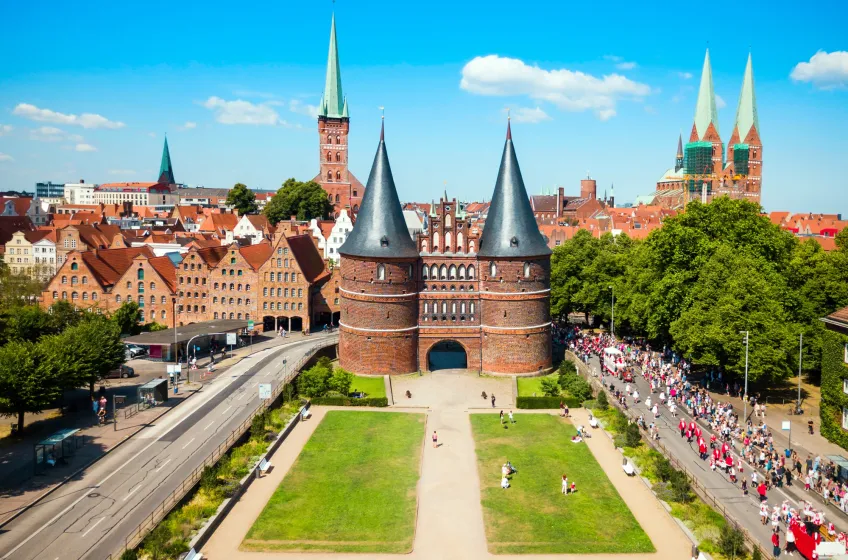
Lübeck is worth visiting for its outstanding architectural heritage, atmospheric old town, and rich maritime history. With its iconic skyline punctuated by seven church towers, narrow alleyways, and waterside promenades, Lübeck is one of Germany's most beautiful historic cities. Unlike many German cities that were heavily bombed during World War II, Lübeck's medieval heart was largely spared and carefully restored, preserving its unique Hanseatic character.
As the former capital of the Hanseatic League—a powerful trading confederation in the Middle Ages—Lübeck is steeped in mercantile legacy. You can feel it in the grandeur of its merchant houses, the imposing city gates, and the brick warehouses lining the Trave River. The city is also known worldwide for its marzipan, with Niederegger’s café and museum a must-visit for those with a sweet tooth.
Whether you’re strolling along the water, exploring historic churches, or enjoying a coffee in a medieval courtyard, Lübeck invites you to slow down and soak up centuries of culture and charm.
Lübeck Highlights: Things to See and Do in Lübeck
Holstentor – The City’s Iconic Gate
The Holstentor is Lübeck’s most recognisable symbol. Built in 1478, this massive red-brick Gothic city gate once guarded the western entrance to the town and now serves as a museum. With its two round towers and distinctive silhouette, it looks like something straight out of a fairytale. Inside, you’ll find exhibitions on Lübeck’s Hanseatic past, medieval weaponry, and trade routes. Don’t forget to snap a photo from the front lawn—the Holstentor is one of the most photographed buildings in Germany.
Lübeck Altstadt (Old Town)
The heart of Lübeck is its Altstadt, set on an island surrounded by the Trave and Wakenitz rivers. Walking through the Old Town feels like stepping into another century, with its cobbled streets, merchant houses, and inner courtyards known as Höfe and Gänge. Highlights include the picturesque Fleischhauerstraße and Hüxstraße, which are filled with boutiques, galleries, and cafés. Many of the townhouses have been lovingly restored and showcase the city’s prosperous trading history.
St. Mary’s Church (Marienkirche)
Lübeck’s St. Mary’s Church is a masterpiece of Brick Gothic architecture and was the model for over 70 churches around the Baltic region. Built between 1250 and 1350, it boasts twin towers reaching nearly 125 metres into the sky. Inside, the vast vaulted ceilings are awe-inspiring, and the shattered bells from a WWII air raid remain as a haunting memorial. The astronomical clock and the organ concerts are additional reasons to visit.
Lübeck Cathedral
Located at the southern end of the Old Town, Lübeck Cathedral dates back to the 12th century and is one of the oldest buildings in the city. It was originally built under Henry the Lion and combines Romanesque and Gothic styles. Though heavily damaged during the war, it has been meticulously restored and now houses important medieval altarpieces and a peaceful atmosphere perfect for reflection.
European Hansemuseum
This modern museum offers an immersive journey through the history of the Hanseatic League. Using a combination of historical artefacts, detailed reconstructions, and multimedia installations, the museum traces the rise and fall of this powerful network of cities that once dominated trade across northern Europe. Located near the Castle Monastery on the northern tip of the Old Town, it’s an essential stop for understanding Lübeck’s role in world history.
Niederegger Marzipan Museum and Café
Lübeck is synonymous with marzipan, and no trip is complete without a visit to the famed Café Niederegger. This traditional confectioner has been producing marzipan since 1806 and is considered the gold standard. Upstairs, there’s a small but interesting marzipan museum that tells the story of the almond paste’s origins and its association with Lübeck. Don’t leave without trying a slice of marzipan cake or picking up some beautifully packaged treats to take home.
Buddenbrookhaus – The Mann Family Museum
Literature fans will appreciate the Buddenbrookhaus, dedicated to Lübeck’s most famous literary family: the Manns. Nobel Prize-winning author Thomas Mann based his novel Buddenbrooks on this very house, which once belonged to his grandparents. The museum delves into the lives and works of Thomas and his brother Heinrich Mann, and offers an insightful glimpse into the cultural life of the early 20th century.
Museum Harbour and Maritime Flair
Lübeck’s harbour area, especially around the Museumshafen, is home to several historic ships and a lovely waterfront promenade. You can stroll along the docks, admire the beautifully restored sailing ships, or even book a river cruise. It’s a peaceful part of the city and perfect for an afternoon wander, especially when the weather is fine.
St. Peter’s Church (Petrikirche) and Viewing Platform
This church is no longer used for religious services but has been transformed into a cultural venue and viewpoint. Take the lift to the top for panoramic views of Lübeck’s rooftops, towers, and the surrounding countryside. It’s one of the best spots in the city to get your bearings—and a photo!
Heiligen-Geist-Hospital
One of the oldest social institutions in Europe, the Heiligen-Geist-Hospital was founded in 1286 as a hospital and retirement home. With its painted wooden ceiling, Gothic architecture, and historic pharmacy, it offers a glimpse into medieval welfare and remains a symbol of Lübeck’s social conscience. The site also hosts a much-loved Christmas market each December.
Practical Advice for Visitors
Getting There
Lübeck is easily accessible by train, car, or plane. It lies about 65 km northeast of Hamburg and is connected by direct trains that take around 45 minutes from Hamburg Hauptbahnhof. Lübeck’s own airport (Lübeck Airport, LBC) handles a few regional flights, mostly from southern Europe.
If driving, the A1 motorway connects Lübeck to Hamburg and the Baltic coast. The city is also well served by regional trains from Kiel, Schwerin, and Rostock.
Parking
While the Old Town is mostly pedestrian-friendly, there are several well-located car parks around its perimeter. The Parkhaus Holstentor and Parkhaus Hüxstraße are good options, offering easy access to the Altstadt on foot. Parking can get tight during weekends and festive periods, so arriving early is a good idea.
Dining
Lübeck’s culinary scene features a strong maritime influence, with plenty of fish dishes on the menu. Try Lübecker Pannfisch (fried fish with mustard sauce and potatoes) at a traditional restaurant like Schiffergesellschaft, housed in a 16th-century seafarers’ guild hall. For lighter fare or coffee and cake, Café Niederegger is a must. There are also many cosy spots along Hüxstraße and Fleischhauerstraße offering anything from Italian and Asian cuisine to modern German fusion.
For a riverside meal, Wullenwever offers fine dining with Michelin-starred flair, while Bolero Lübeck by the water is a more casual option.
Shopping
Beyond marzipan, Lübeck’s Old Town is filled with independent boutiques, antique shops, and artisan studios. Hüxstraße is particularly good for stylish fashion, books, jewellery, and homeware. The Saturday market at Markt square in front of the Town Hall is a great place to pick up local produce and regional specialties.
Christmas shopping is especially popular, as Lübeck’s festive markets are among the best in northern Germany, with handmade decorations, glühwein, and plenty of edible treats.
When to Visit
Spring and summer are excellent times to explore Lübeck, with mild weather, long days, and plenty of outdoor café seating. Autumn is also lovely, especially during the October harvest festivals. Winter brings Christmas charm, with the city’s medieval backdrop providing a fairytale setting for its seasonal markets.
Avoid major German school holidays if you prefer a quieter experience. Midweek stays tend to be more peaceful than weekends, when Lübeck attracts day-trippers from Hamburg and beyond.
Local Events
One of Lübeck’s major highlights is its Christmas Market, which transforms the Old Town into a winter wonderland from late November until Christmas Eve. Stalls stretch from the Town Hall to the Marienkirche and beyond, with separate artisan and fairy-tale-themed markets for families.
In June, the Lübeck Nordic Film Days celebrate cinema from northern Europe and are a major draw for film fans. There's also a Hansemuseum Summer Festival, with historical reenactments and maritime events.
Exploring Beyond Lübeck
If you’re staying longer, the Baltic Sea coast is just 20 minutes away. Travemünde, Lübeck’s seaside district, offers a wide beach, a lighthouse, and fresh seafood restaurants. Ferries run regularly from Lübeck to Travemünde, or you can take the S-Bahn or drive.
Other nearby towns worth exploring include Wismar and Stralsund, both UNESCO-listed Hanseatic cities, and Eutin, known as the “Weimar of the North” for its cultural heritage and pretty lakeside setting.
Final Thoughts
Lübeck is a hidden gem in northern Germany that rewards visitors with its deep history, beautiful architecture, and tranquil riverside charm. Whether you’re wandering through its medieval lanes, tasting world-class marzipan, or gazing across the red rooftops from a church tower, Lübeck offers a timeless atmosphere that few cities can match. Perfect for a weekend break or a cultural detour on a wider tour of Germany, Lübeck is both an escape and a lesson in history—served with a slice of almond-sweet cake.
Shortlist
- Your Shortlist is empty