
Discover Saarbrücken | A Visitor's Introduction to Saarbrücken
Recommended places to visit, places to stay and things to do in and around Saarbrücken
Saarbrücken is a charming city in southwest Germany, nestled close to the French border in the state of Saarland. With a rich industrial heritage, a vibrant cultural scene, and a relaxed cosmopolitan atmosphere, Saarbrücken is a perfect destination for curious travellers looking to explore beyond the usual German hotspots. Known for its Baroque architecture, green riverbanks, and cross-cultural flair, this border city offers a unique blend of French-German influences, hearty local cuisine, and a laid-back pace of life that makes it particularly appealing to history buffs, food lovers, and anyone seeking a slightly off-the-beaten-path city break.
Recommended Saarbrücken Hotels & Other Accommodation
Pre-book Saarbrücken Attractions, Tours & Experiences
Why is Saarbrücken Worth a Visit?
Saarbrücken is worth visiting for its distinctive fusion of history, culture, and nature. As the capital of Saarland, it has played a central role in regional politics and identity, having switched hands between France and Germany multiple times throughout history. This complex past has left a legacy of architectural treasures, historical landmarks, and a multicultural spirit that defines the city today.
The Saar River cuts through the city, offering scenic walking and cycling paths, while elegant Baroque buildings line its squares and boulevards. Saarbrücken’s compact size means it's easy to explore on foot, but its offerings are far from limited — from castles and industrial heritage sites to buzzing student nightlife and contemporary art spaces.
Whether you’re interested in tracing European history, enjoying a riverside stroll, indulging in a Franco-German culinary adventure, or exploring the lush Saarland countryside, Saarbrücken makes an excellent base for a rewarding short break or a longer stay.
Saarbrücken Highlights: Things to See and Do in Saarbrücken
Saarbrücken Castle (Saarbrücker Schloss)
Located on the left bank of the Saar River, Saarbrücken Castle is a striking Baroque building that has been rebuilt and remodelled several times since the Middle Ages. The current structure, largely restored in the 1980s, houses event spaces and local government offices. What makes the castle particularly fascinating is its subterranean archaeological cellar, where you can explore the preserved remains of earlier medieval fortifications. It’s also a great place to take in sweeping views of the Old Town and the river below.
Ludwigskirche
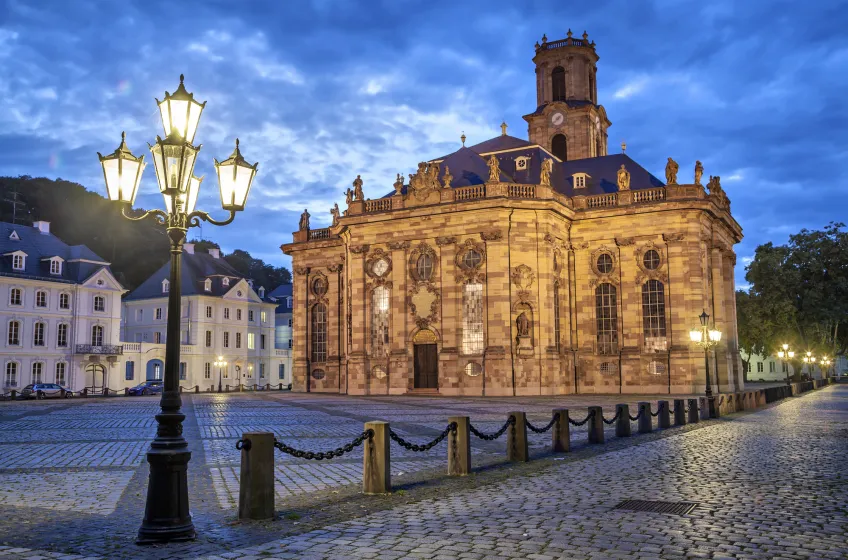
One of Germany’s finest Protestant Baroque churches, Ludwigskirche stands as a symbol of Saarbrücken’s architectural elegance. Designed by Friedrich Joachim Stengel in the 18th century, its symmetrical layout and sandstone façade are both impressive and serene. The surrounding square, Wilhelm-Heinrich-Platz, is also a highlight, with its uniform facades that give it a grand, European feel. Visit in the early morning or late afternoon to enjoy the play of light on the stonework.
St. Johanner Markt
The heart of Saarbrücken’s Old Town is the lively St. Johanner Markt, a pedestrianised square full of cafés, boutiques, bars, and bakeries. With its colourful buildings, lively fountains, and almost Mediterranean feel in summer, it’s the perfect place to sit with a coffee or a local beer and watch the world go by. On Saturdays, the square hosts a market where you can find fresh produce, flowers, and regional delicacies.
Saarland Museum – Modern Gallery
This impressive museum is part of the Saarland Museum complex and houses a strong collection of modern and contemporary art. You'll find works by Max Liebermann, Otto Dix, and other 20th-century German artists, as well as rotating exhibitions of international contemporary art. The building itself is sleek and modern, with bright gallery spaces and a pleasant café on site.
Völklingen Ironworks (Völklinger Hütte)
Just a 15-minute drive or quick train ride from central Saarbrücken, the UNESCO World Heritage-listed Völklingen Ironworks is a must-see. This vast industrial site tells the story of Germany’s steel industry and features massive blast furnaces, enormous halls, and innovative art and science exhibitions set among the ruins. It’s one of the world’s most complete examples of industrial culture and a fascinating place for both adults and children.
Saarbrücker Zoo
A pleasant family-friendly destination, Saarbrücker Zoo is home to around 1,000 animals across more than 150 species. It's set within green, hilly terrain and offers shaded walking paths, a petting zoo, and themed animal enclosures. While it’s not one of Europe’s largest zoos, it’s well-kept and offers a peaceful half-day excursion.
Deutsch-Französischer Garten (Franco-German Garden)
This large landscaped park is a symbol of post-war Franco-German friendship and collaboration. It's a delightful green space that features lakes, flower gardens, mini golf, a small train, and pedal boats. Ideal for a relaxing afternoon, it’s especially beautiful in spring and early summer. Families, couples, and joggers alike enjoy its well-kept paths and peaceful surroundings.
Basilica of St. John the Baptist
Another gem by architect Friedrich Joachim Stengel, this Catholic church is less grand than Ludwigskirche but offers a striking interior with rich decoration and an elegant organ. It’s located near the heart of the Old Town and makes for a quiet, reflective stop as you explore the area.
Saar River Promenade
One of the most enjoyable (and free) activities in Saarbrücken is a walk along the Saar River promenade. Both banks are lined with trees, cafés, sculptures, and cycle paths, offering a refreshing and picturesque experience. Whether you’re out for a jog, hiring a bike, or just enjoying the sunset, this riverside path is a favourite with locals.
Saarbrücken State Theatre (Saarländisches Staatstheater)
For a taste of Saarbrücken's cultural scene, catch a performance at the elegant State Theatre, which presents opera, ballet, drama, and concerts. The riverside location is also beautiful, and even if you don't attend a show, the building itself is worth a look.
Halberg Hill and Halberg Castle Ruins
Across the river from the city centre, Halberg Hill offers a quiet escape into nature and some interesting ruins of an old castle. The area also houses the studios of Saarländischer Rundfunk, the regional public broadcaster. It’s a nice short hike with rewarding views over the city and valley.
Europa Galerie
If you're in the mood for some shopping, this modern mall is located in a beautifully renovated former mining administration building. Europa Galerie combines high-street shops with a few local retailers and is conveniently located near the main train station.
Practical Advice for Visitors
Getting There
Saarbrücken is easily accessible by train, car, or plane. It has its own small airport (Saarbrücken Airport, SCN), with flights from major German cities and some seasonal European destinations. However, many visitors arrive via nearby airports in Frankfurt, Luxembourg, or Strasbourg, all within a two-hour radius.
By train, Saarbrücken is well connected to the Deutsche Bahn network. Direct trains run from Frankfurt (approx. 2 hours), Mannheim, Trier, and even Paris via high-speed TGV (less than 2 hours). Local and regional trains connect the city with other towns in Saarland and the surrounding regions.
Driving is also easy, with motorways (Autobahns) A6 and A620 linking Saarbrücken to major routes. The drive from Luxembourg City or Metz takes about an hour.
Parking
Parking in Saarbrücken is generally manageable. There are multiple car parks in and around the city centre, including Parkhaus am Schloss and Q-Park City. Most hotels also offer parking. On-street parking is available but often metered — make sure to check the signs for restrictions and times. Free parking can be found further out with a short walk or tram ride into the centre.
Dining
Saarbrücken has a fantastic food scene shaped by its Franco-German heritage. Traditional Saarland cuisine features hearty dishes such as Dibbelabbes (a kind of potato hash), Schwenker (grilled pork steaks), and Lyoner Wurst (a local sausage often eaten cold or in salads).
For traditional fare, try Zum Stiefel or Gasthaus Zahm’s Brauhaus. For something a bit more refined, GästeHaus Klaus Erfort, a Michelin-starred restaurant, is an excellent choice for fine dining.
Cafés and bistros around St. Johanner Markt offer great brunches, cakes, and French-inspired treats. Don’t miss trying Schwarzer Kaffee und Streuselkuchen (black coffee with crumb cake) in one of the local bakeries.
Shopping
While Saarbrücken may not be a major shopping capital, it offers a pleasant variety of shops. The pedestrian streets around Bahnhofstraße and the Europa Galerie host both major brands and smaller boutiques. St. Johanner Markt has quirky, independent shops selling everything from vintage clothes to regional crafts and Saarland-themed souvenirs. There’s also a regular flea market along the riverbank, particularly good for browsing on weekends.
When to Visit
Saarbrücken is a year-round destination, but the best times to visit are spring (April to June) and autumn (September to October), when the weather is mild and the city is full of life. Summers can be warm but rarely too hot, while winters are quiet and cosy, with festive decorations and Christmas markets adding charm.
Local Events
One of Saarbrücken’s most popular events is the Max Ophüls Film Festival in January, which celebrates up-and-coming filmmakers from German-speaking countries. In summer, the Saar Spectacle (Saar-Spektakel) turns the riverbanks into a vibrant festival zone with music, food, and water shows. The St. Johanner Markt Christmas Market in December is also well worth a visit, offering mulled wine, crafts, and a cosy atmosphere.
Exploring Beyond Saarbrücken
There’s plenty to explore beyond the city. Völklingen, with its ironworks, is a must. Sankt Ingbert, a pretty nearby town with walking trails and a small art scene, is just 15 minutes by train. The Bliesgau Biosphere Reserve, a UNESCO-protected area of rolling hills and meadows, lies just to the east and is perfect for hiking and cycling.
For a day trip, Trier, Germany’s oldest city with its Roman ruins, is just over an hour away. Metz in France and Luxembourg City are also within easy reach, making Saarbrücken an ideal base for cross-border exploration.
Saarbrücken may not be Germany’s most famous city, but it’s precisely this under-the-radar appeal that makes it so rewarding to visit. With its friendly vibe, historical depth, and cross-cultural character, it offers a rich experience without the crowds — a small city with a big heart.
Shortlist
- Your Shortlist is empty