
A Visitor's Introduction to Mecklenburg-Vorpommern
Recommended places to visit, places to stay and things to do in Mecklenburg-Vorpommern
Mecklenburg-Vorpommern is a scenic and historically rich federal state in the northeast of Germany. Nestled between the Baltic Sea and the lush forests of central Germany, it's known for its enchanting coastline, medieval towns, grand castles, and unspoilt natural beauty. With its laid-back atmosphere and a slower pace of life, Mecklenburg-Vorpommern is the perfect destination for history lovers, nature seekers, cycling enthusiasts, and those looking for a peaceful coastal retreat. From the romantic charm of Schwerin Castle to the wide sandy beaches of Usedom, this region offers a unique blend of cultural depth and natural splendour.
Recommended Mecklenburg-Vorpommern accommodation: Hotels Bed & Breakfasts Holiday Homes
Pre-book Mecklenburg-Vorpommern Attractions, Tours & Experiences
Why is Mecklenburg-Vorpommern Worth a Visit?
Mecklenburg-Vorpommern is worth visiting for its rare combination of coastal charm, historic elegance, and tranquil countryside. Unlike Germany’s better-known urban destinations, this region offers a more relaxed and authentic experience. The Baltic coast here is dotted with picturesque seaside resorts, long promenades, and beachside piers. Inland, you'll discover fairy-tale castles, lakes that shimmer like glass, and charming towns that feel like they’ve stepped out of a history book.
The state has a unique blend of Hanseatic history, GDR-era nostalgia, and pre-industrial rural traditions. It’s a place where you can wander cobbled streets in Rostock, cycle through the meadows of the Mecklenburg Lake District, or enjoy a spa weekend on the island of Rügen. Whether you’re exploring on foot, by boat, or by bike, Mecklenburg-Vorpommern delivers a relaxing, enriching experience with fewer crowds than Germany’s bigger tourist hotspots.
Mecklenburg-Vorpommern Highlights: Things to See and Do in Mecklenburg-Vorpommern
Schwerin Castle
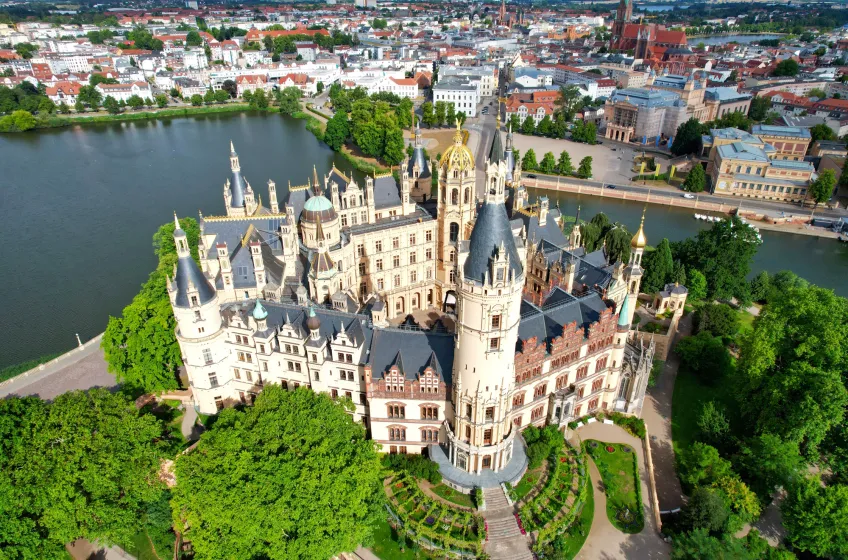
Often called the "Neuschwanstein of the North", Schwerin Castle is one of Germany’s most picturesque palaces. Set on an island in Lake Schwerin, this fairy-tale building dates back to the 19th century and now houses the state parliament. Visitors can tour the lavish interiors, stroll through the baroque gardens, and take boat trips across the lake for panoramic views. It’s a must-see for anyone interested in royal history or romantic architecture.
The Island of Rügen
Germany’s largest island, Rügen is famous for its dramatic chalk cliffs, long sandy beaches, and vintage resort towns like Binz and Sellin. The Jasmund National Park offers spectacular walks along the cliffs, while the nostalgic Rasender Roland steam train is a charming way to travel between resorts. Rügen is particularly popular in summer, but its windswept beauty makes it worth visiting year-round.
Warnemünde and Rostock
The seaside town of Warnemünde, just outside Rostock, is a classic Baltic resort with a long promenade, wide sandy beach, and an iconic lighthouse. Rostock itself is a vibrant Hanseatic city with a rich maritime heritage, beautiful brick Gothic architecture, and a lively student scene. The annual Hanse Sail festival in August is one of Europe’s biggest tall ship gatherings and a major highlight.
Usedom Island
Usedom is a sun-drenched island shared with Poland and famous for having some of Germany’s best beaches. Its elegant spa towns, such as Heringsdorf and Ahlbeck, are linked by a long seaside promenade and boast imperial-era architecture and serene piers. The island also has lush inland forests and is ideal for cycling and spa holidays.
Müritz National Park
Part of the expansive Mecklenburg Lake District, Müritz National Park is a haven for wildlife lovers. With over 100 lakes, ancient woodlands, and countless walking and cycling trails, it’s perfect for nature breaks. The park is a key area for birdwatching, especially in spring and autumn when cranes and sea eagles can be seen. The nearby town of Waren is a great base for exploring the region.
Güstrow and Ernst Barlach Sites
Güstrow is a small but culturally rich town known for its Renaissance castle and its connection to artist Ernst Barlach, a major German expressionist. The Ernst Barlach Museum and the Dom with Barlach’s “Floating Angel” sculpture are moving tributes to his life and work. The town itself offers quiet charm and is well worth a visit.
Historic Hanseatic Towns: Wismar and Stralsund
Both Wismar and Stralsund are UNESCO World Heritage Sites that perfectly preserve their Hanseatic past. These coastal cities are full of gabled houses, red-brick churches, and lively harbours. Stralsund’s Ozeaneum is an award-winning maritime museum, while Wismar’s old town and waterfront are stunning examples of Gothic brick architecture.
Ludwigslust Palace
This 18th-century baroque palace near the town of Ludwigslust is surrounded by beautifully landscaped gardens and canals. Known as the “Versailles of the North”, it offers a glimpse into the opulent lives of the Mecklenburg dukes. Inside, you’ll find period furnishings, lavish stucco work, and art collections. It’s especially beautiful in spring when the gardens come into bloom.
Hiddensee Island
A car-free island just off Rügen, Hiddensee is a peaceful escape with sandy dunes, heathlands, and quiet fishing villages. It’s long been a retreat for artists and writers, and its slow pace of life makes it ideal for walking, cycling, and birdwatching. Accessible only by boat, it feels like a step back in time.
National Park Vorpommersche Boddenlandschaft
Germany’s largest coastal national park, this wild and windswept area of shallow lagoons, sandbanks, and salt marshes stretches along the Baltic coast west of Rügen. It’s one of the best places in Europe to see migrating cranes in autumn, and the landscape is hauntingly beautiful, especially at dawn and dusk.
The Tollensesee and Neubrandenburg
For those who enjoy lakeside relaxation away from the crowds, Tollensesee near Neubrandenburg is a pristine freshwater lake ideal for swimming, kayaking, and camping. Neubrandenburg itself has well-preserved medieval city walls with four striking gates and a good regional museum.
Teterow and the Mecklenburg Switzerland
The Mecklenburgische Schweiz ("Mecklenburg Switzerland") is a region of rolling hills, manor houses, and quiet villages. Teterow is a lovely base for exploring this idyllic countryside, particularly by bike. The area is dotted with old estates, some converted into guesthouses or cultural centres, and it feels worlds away from busy city life.
Practical Advice for Visitors
Getting There
Mecklenburg-Vorpommern is well connected by rail, road, and air. Rostock-Laage Airport and Heringsdorf Airport (seasonal) serve the region, but most international visitors arrive via Berlin or Hamburg, both around 2–3 hours away by train or car.
The Deutsche Bahn network links key cities like Rostock, Schwerin, Wismar, and Stralsund. Car hire is a good idea if you want to explore more rural areas or island hop. The A20 motorway runs east-west along the coast and is one of the main driving routes through the state.
Parking
Most towns offer central parking areas, and blue zone street parking is common. Expect to pay for parking in tourist hotspots, especially during summer. Popular beaches and island access points like Sellin, Binz, and Warnemünde fill up quickly, so arrive early in peak season.
Dining
Seafood is a speciality here – smoked fish, Matjes herring, and Baltic cod feature on many menus. Local dishes such as Mecklenburg rippenbraten (roast pork) and Klopse (meatballs) reflect traditional German flavours.
Try Fischhus in Warnemünde, Weinhaus Uhle in Schwerin for upscale regional cuisine, or Zur Kogge in Rostock for classic maritime fare. Beachfront cafés in Rügen and Usedom offer excellent fish rolls and coffee with sea views.
Shopping
Look for handcrafted ceramics, amber jewellery, and regional food products such as honey, schnapps, and smoked meats. Markets are held weekly in most towns and are a great way to find local produce and souvenirs.
In Rostock, the Kröpeliner Straße is the main shopping street, while Wismar and Schwerin both have lovely independent shops in their old towns. Usedom has a number of small seaside boutiques offering beachwear, art, and spa products.
When to Visit
Summer (June–August) is the high season, especially for the Baltic resorts and islands. Expect crowds and higher prices, but also the best weather. Spring and early autumn are ideal for walking, birdwatching, and cycling, with fewer tourists and beautiful colours.
Winter is quiet but atmospheric, especially in historic towns like Schwerin, where Christmas markets light up the streets. Some resorts may shut down off-season, so plan ahead.
Local Events
-
Hanse Sail Rostock (August): A spectacular maritime festival featuring tall ships from all over the world, concerts, and fireworks.
-
Mecklenburg-Vorpommern Festival (June–September): A classical music series held in castles, barns, and churches across the region.
-
Duckstein Festival in Warnemünde (July): A vibrant mix of music, food, and street performance.
-
Christmas Markets (late November–December): Schwerin, Rostock, and Wismar all host charming Christmas markets.
Exploring Beyond Mecklenburg-Vorpommern
If time allows, head south to the Brandenburg region for lakes, forests, and the quirky town of Neustrelitz. Or travel west into Schleswig-Holstein to visit Lübeck, another stunning Hanseatic city famous for marzipan and medieval charm.
Berlin is just a couple of hours away by train from most towns in the southern part of Mecklenburg-Vorpommern and makes an excellent city break extension. Alternatively, cross the border into Poland from Usedom and explore Świnoujście, a lively spa town with a blend of Polish and German influences.
Whether you're cycling through sleepy villages, exploring historic seaports, or relaxing on the beach with a smoked fish roll in hand, Mecklenburg-Vorpommern offers a slice of Germany that’s peaceful, authentic, and surprisingly varied. It’s a destination where nature and history go hand in hand – and where you can truly slow down and savour the moment.
Shortlist
- Your Shortlist is empty