
Discover Goslar | A Visitor's Introduction to Goslar
Recommended places to visit, places to stay and things to do in and around Goslar
Goslar is a beautifully preserved medieval town nestled at the foot of the Harz Mountains in Lower Saxony, Germany. Known for its half-timbered houses, cobbled streets, and UNESCO World Heritage Sites, this historic town is a hidden gem for travellers who appreciate old-world charm and rich heritage. Whether you're a history enthusiast, architecture lover, or simply after a tranquil break with scenic mountain backdrops, Goslar offers a unique slice of medieval Germany that feels almost untouched by time.
Recommended Goslar Hotels & Other Accommodation
Pre-book Goslar Attractions, Tours & Experiences
Why is Goslar Worth a Visit?
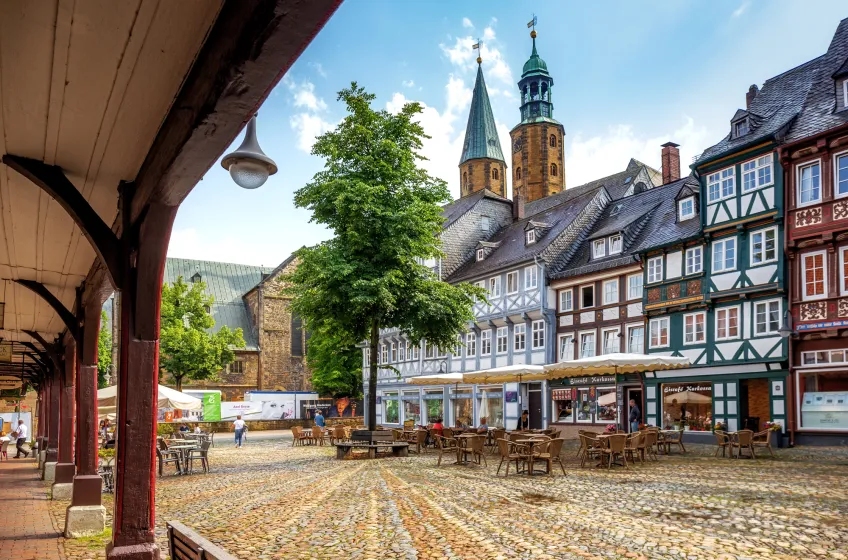
Goslar is worth visiting for its extraordinary blend of history, architecture, and natural beauty. Once a powerful imperial city during the Holy Roman Empire, Goslar retains much of its historic fabric, offering a rare glimpse into the life and style of the medieval world. Its centrepiece, the Imperial Palace (Kaiserpfalz), and the former Rammelsberg Mine, together form a UNESCO World Heritage Site that captures the political and industrial significance of the region.
The town is also a gateway to the Harz Mountains, offering visitors opportunities for hiking, cycling, and winter sports. Beyond its obvious historical appeal, Goslar is vibrant with festivals, cultural events, and a welcoming atmosphere. Wandering through its winding alleys past colourful houses, quaint cafés, and centuries-old churches is an experience both peaceful and invigorating. Whether you’re chasing legends of emperors or exploring the natural wonders of the Harz, Goslar is a destination with something for everyone.
Goslar Highlights: Things to See and Do in Goslar
The Imperial Palace of Goslar (Kaiserpfalz)
The Kaiserpfalz is undoubtedly the crown jewel of Goslar’s heritage. Built in the 11th century during the reign of Emperor Henry III, this grand Romanesque palace served as a favourite residence of German emperors. Inside, you’ll find richly restored halls, medieval murals, and exhibits detailing Goslar’s imperial past. The views from the palace over the old town are lovely, especially in the early morning or golden hour.
Rammelsberg Mine and Museum
A short walk from the town centre, the Rammelsberg Mine is a fascinating underground world with over 1,000 years of mining history. Declared a UNESCO World Heritage Site in 1992, it offers guided tours through tunnels and showcases the mining techniques used over the centuries. Don’t miss the ride on the miners’ train, and if you're lucky, you can join a special candlelit tour, which adds a mystical edge to the experience.
Goslar’s Old Town (Altstadt)
The Altstadt of Goslar is a maze of narrow streets, timber-framed houses, and hidden courtyards. Over 1,500 historic buildings are packed into the centre, many of them dating back to the 15th and 16th centuries. Highlights include the market square (Marktplatz), the ornate old Town Hall (Rathaus), and the medieval pump known as the Marktbrunnen. Simply strolling here is a joy, especially in the quieter morning hours.
Market Church of St. Cosmas and Damian
This striking Gothic church dominates Goslar’s skyline with its twin towers. The interior is serene, with an intricately carved wooden pulpit and a beautiful Renaissance altar. Climb the church tower if you can – the panoramic view of the town’s rooftops with the Harz Mountains beyond is breathtaking.
Zwinger Tower and Museum
Part of Goslar’s old fortifications, the Zwinger Tower is one of the thickest defensive towers in Europe. Inside, a small museum gives insight into medieval weaponry and siege tactics. It’s also a curious place to stay – you can actually book a holiday apartment inside the tower for a one-of-a-kind night’s sleep.
Siemens House
This is one of the oldest preserved half-timbered houses in Goslar and the ancestral home of the Siemens industrial family. Though it's not open to the public, the exterior alone is worth a visit, with detailed carvings and inscriptions. It stands as a testament to Goslar’s prosperity during the Renaissance.
Goslar Christmas Market
If you're visiting in December, the Goslar Christmas Market is one of the loveliest in Germany. Set around the historic market square, the town transforms into a winter wonderland with sparkling lights, mulled wine, handmade crafts, and the famed “Christmas Forest” (Weihnachtswald), where fir trees are arranged to create a magical woodland in the town centre.
Mönchehaus Museum of Modern Art
For something a little different, visit this modern art museum housed in a beautiful half-timbered building. The museum showcases works by contemporary artists, including notable names such as Joseph Beuys. It's a great contrast to the historical feel of the town and often holds temporary exhibitions that surprise and provoke.
Frankenberg Church
Smaller and less known than the Market Church, Frankenbergkirche is charming and peaceful, with Romanesque and Gothic elements. The interior features medieval frescoes, and it’s a lovely stop if you’re exploring off the main tourist route.
The Goslarer Museum
This museum, located in a former monastery, offers a broader look at Goslar’s history from prehistoric times through to the 19th century. Highlights include sacred art, models of the town through time, and detailed displays on daily life in past centuries.
Walks Along the Town Walls and River Gose
Take a leisurely walk along sections of the preserved town walls or follow the River Gose as it winds its way through charming neighbourhoods. This is a perfect way to escape the crowds and enjoy the more tranquil side of Goslar.
Hiking in the Harz Mountains
For outdoor enthusiasts, Goslar is a brilliant base for exploring the Harz region. Trails lead up to the Brocken (the highest peak in northern Germany) or through dense forests, valleys, and picturesque villages. The nearby town of Hahnenklee, just a short drive away, offers additional trails and a remarkable stave church inspired by Norwegian architecture.
Practical Advice for Visitors
Getting There
Goslar is well-connected by train and road. From Hannover, it’s just over an hour by regional train, with regular direct services. If you're coming from Berlin or Hamburg, you can connect via Hannover or Braunschweig. By car, Goslar is easily accessible via the A7 and B6 roads. The drive through the Harz foothills is especially scenic.
Parking
The town centre is largely pedestrianised, so it’s best to park in one of the designated car parks on the outskirts. Recommended options include the Parkhaus Kaiserpfalz or the Parkplatz Osterfeld, both of which are just a short walk from the Old Town. Parking fees are reasonable, but the town can get busy on weekends and during events, so arrive early.
Dining
Goslar offers a variety of dining options, from traditional German cuisine to more contemporary fare. For hearty regional dishes, try Brauhaus Goslar, where you can enjoy sausages, schnitzel, and the town’s own Gose beer. Schiefer is a more modern spot offering refined local food with excellent service. For something sweet, visit Café Anders, known for its cakes and relaxed setting. During Christmas Market season, don’t miss the roasted almonds and bratwurst stalls around the Marktplatz.
Shopping
Goslar’s shops are mainly independent boutiques and artisan stores. In the Altstadt, you’ll find shops selling handmade crafts, local honey, wooden toys, and traditional Harz souvenirs. The Christmas Market is perfect for unique gifts, especially items like hand-carved decorations or woollen goods. Antique lovers should pop into Antikhaus Goslar, tucked away on a quiet street.
When to Visit
Spring and autumn are ideal times to visit Goslar. The weather is mild, the crowds are manageable, and the surrounding countryside is at its most colourful. Summer is busier, particularly during school holidays, but the town has a festive atmosphere with outdoor concerts and café culture in full swing. Winter is magical, especially during the Christmas Market period. Snow often dusts the rooftops, adding to the fairy-tale charm.
Local Events
Goslar is host to several popular events throughout the year. Aside from the Christmas Market, notable events include:
Goslar International Piano Festival (June): A week-long celebration of classical music featuring international performers.
Altstadtfest (August): This Old Town Festival fills the streets with food stalls, live music, and traditional costumes.
Imperial Days (Kaiserring Week, September): Celebrating Goslar’s Kaiserring art prize, this event combines exhibitions, lectures, and cultural activities.
Exploring Beyond Goslar
If you have more time, the surrounding Harz region is full of scenic towns and outdoor adventures.
Wernigerode (just under an hour’s drive) is a colourful town with a hilltop castle and a charming centre.
Quedlinburg, another UNESCO-listed town, boasts over 1,000 half-timbered houses and a unique Romanesque church on the hill.
Hahnenklee is only 15 minutes away and makes a great day trip for hiking, especially around the Bocksberg cable car and the wooden stave church.
For more adventurous travellers, a trip on the Harz Narrow Gauge Railway to the Brocken summit offers spectacular views and a nostalgic steam train experience.
Goslar might not have the name recognition of some larger German cities, but that’s part of its charm. It combines a rich, almost fairy-tale atmosphere with genuine history and access to nature in a way few places can. Whether you're wandering its cobbled streets or heading into the Harz Mountains, Goslar offers a perfect mix of culture, comfort, and calm.
Shortlist
- Your Shortlist is empty