
Discover Spreewald | A Visitor's Introduction to Spreewald
Recommended places to visit, places to stay and things to do in and around Spreewald
Spreewald is a picturesque region in eastern Germany, located about 100 kilometres southeast of Berlin, in the state of Brandenburg. Known for its network of tranquil waterways, traditional Sorbian culture, and rich biodiversity, this unique biosphere reserve is like no other place in Germany. With its forested canals, rustic villages, and strong traditions in pickling and boat-making, Spreewald is a perfect destination for nature lovers, cultural explorers, and anyone seeking a peaceful retreat from city life. Recognised as a UNESCO biosphere reserve, Spreewald offers a deep dive into both natural beauty and historical heritage.
Recommended Spreewald accommodation: Hotels Holiday Homes
Pre-book Spreewald Attractions, Tours & Experiences
Why is Spreewald Worth a Visit?
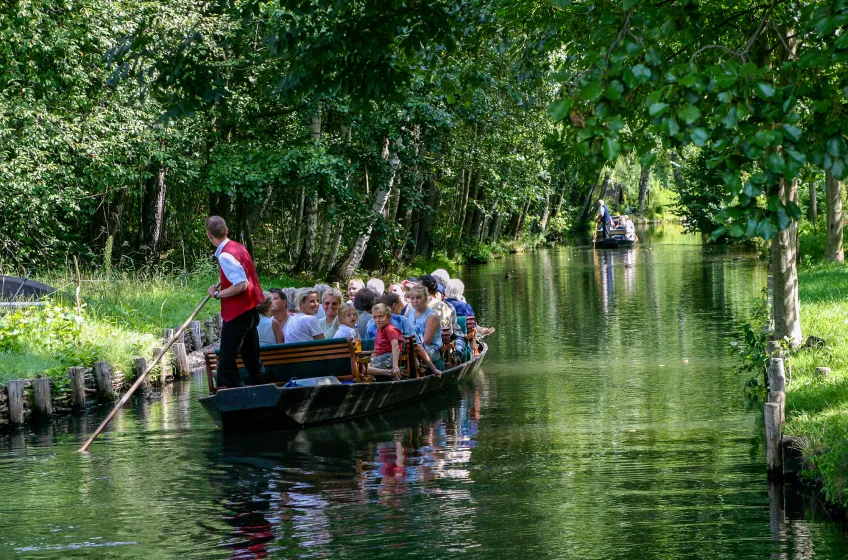
Spreewald is worth visiting for its dreamlike landscape, which features over 300 kilometres of navigable waterways that crisscross lush wetlands, meadows, and forests. Unlike anywhere else in Germany, you can explore the region by flat-bottomed punts (known locally as Kähne), similar to gondolas, silently gliding through the green corridors of the Spree River and its branches. The region is also home to the Sorbs (or Wends), a Slavic ethnic minority with their own language, traditions, and festivals, which lend Spreewald a distinct cultural flavour.
This is a place where time seems to slow down. Villages like Lehde and Lübbenau have hardly changed in appearance for centuries, with wooden houses perched beside water channels and small footbridges connecting islands of land. The air is fresh, the water is clean, and the produce is local — especially the famous Spreewald gherkins, a culinary highlight that’s deeply woven into local identity.
Whether you’re kayaking, hiking, cycling, or simply drifting along in a punt, the peace and quiet of Spreewald, combined with its cultural and ecological richness, make it a destination that leaves a lasting impression.
Spreewald Highlights: Things to See and Do in Spreewald
Lübbenau: The Gateway to Spreewald
Lübbenau is often considered the heart of Spreewald and makes an ideal base for exploring the region. The town itself has a charming old centre with cobbled streets, cosy cafés, and traditional houses. From here, you can catch a punt or hire a canoe to navigate the surrounding canals. Don’t miss the Lübbenau Castle and its landscaped park — a peaceful spot for a walk or picnic.
A stroll through the Gurkenmeile (gherkin mile) in the harbour area offers a delightful introduction to the famous Spreewald pickles, with plenty of stalls offering tastings.
Lehde Open-Air Museum
The village of Lehde, just a short punt ride from Lübbenau, feels like a living museum. It’s home to the Freilandmuseum Lehde, an open-air museum that provides a fascinating look into 19th-century village life. You can explore old wooden houses, barns, and workshops while learning about traditional crafts, farming, and food production in the region. Some houses are only accessible by boat, giving you a taste of what life was like before roads connected these villages.
Traditional Punt Boat Tours
One of the most iconic Spreewald experiences is taking a traditional punt tour. These tours are typically operated by local boatmen in traditional costume, who navigate the narrow canals with long poles. Tours vary in length, from short one-hour jaunts to full-day excursions that include meals and village stops. Some even offer moonlight or torch-lit evening rides for a magical atmosphere.
For a more active alternative, you can hire your own canoe or kayak and paddle through the canals at your own pace.
Spreewald Therme (Spa) in Burg
For relaxation, head to Spreewald Therme in the town of Burg, a modern spa complex that uses natural brine water from local springs. With indoor and outdoor pools, saunas, steam baths, and wellness treatments, it’s the perfect way to unwind after a day of exploring. Burg itself is a charming village with its own set of canals and a slower pace than Lübbenau.
Gherkin Museum in Lehde
Yes, there's a museum dedicated entirely to gherkins! The Gurkenmuseum tells the story of how pickling became such a big part of Spreewald’s heritage. Learn about traditional preservation techniques, sample different styles of pickles, and discover why Spreewald gherkins have their own EU Protected Geographical Indication.
Lübben Castle and Castle Island
Lübben, another picturesque town in the Spreewald region, is home to Schloss Lübben, a Renaissance-style castle set on an island between the rivers. The surrounding park is beautifully landscaped and ideal for a leisurely walk or bike ride. There’s also a small museum inside the castle focusing on local history and culture.
Bike and Canoe Trails
Spreewald is a paradise for cyclists and paddlers, with well-marked routes through forests, wetlands, and charming villages. The Gurkenradweg (Gherkin Cycle Path) is a popular 250-km circular trail that loops through the entire region, offering scenic views and stops at farm shops, cafes, and cultural sites. Canoe rental stations are scattered throughout the area, and routes are signposted so you can plan your own adventure.
Wotschofska Island
Accessible only by boat or a forest footpath, Wotschofska is a secluded island with a few traditional guesthouses and a historic inn that has been welcoming guests since the 1890s. It’s a romantic spot for lunch or an overnight stay in a truly remote setting, surrounded by nothing but water and trees.
Sorbian Cultural Heritage
The Sorbs, a Slavic people native to this part of Germany, keep their traditions alive through language, folk costumes, and festivals. Many signs in Spreewald are bilingual (German and Sorbian), and you might catch a glimpse of Sorbian dress during a local celebration. Visit cultural centres or time your trip with a Sorbian Easter or harvest festival to learn more.
Spreewald Christmas Market (Winter Visit)
If you're visiting in winter, don’t miss the Christmas markets in Lübbenau and Burg. With stalls along the canals, festive lights, and mulled wine served on decorated punts, the experience is unique and atmospheric. Some boat tours even run during the colder months, complete with blankets and hot drinks.
Stork Watching and Birdlife
Spreewald is rich in biodiversity and is especially known for its birdlife. Storks, herons, kingfishers, and owls are commonly spotted in the region. The best time to see storks is from spring to late summer, and Burg is particularly good for stork watching thanks to numerous nesting platforms.
Practical Advice for Visitors
Getting There
Spreewald is easy to reach from Berlin, making it an ideal weekend escape or day trip. From Berlin Hauptbahnhof, you can take a direct regional train (RE2) to Lübbenau or Lübben, which takes around 1 hour. Trains run hourly, and both towns have rental bike and boat services near the station.
If you’re driving, take the A13 motorway towards Dresden and exit at Lübbenau or Lübben. The drive takes about 1.5 hours from Berlin.
Parking
Lübbenau and Burg have several well-signposted public car parks near the town centres and harbours. Parking is usually paid, with day tickets available. During summer and holidays, arrive early as spaces can fill quickly. Some hotels and guesthouses also offer free or discounted parking for guests.
Dining
Spreewald cuisine focuses on hearty, rustic dishes often featuring local fish, game, and of course, pickled vegetables. For traditional fare, try Gasthaus Wotschofska on the island, Zum Fröhlichen Hecht in Lübbenau, or Hotel Strandhaus Spreewald in Lübben for a more modern, upscale twist.
Don’t miss local specialities like:
-
Spreewälder Fischplatte (smoked fish platter)
-
Quark mit Leinöl (curd cheese with linseed oil)
-
Gherkin soup (a surprisingly delicious and regional treat)
-
Local honey and schnapps
Many cafés also serve homemade cakes and sorbet made from forest fruits — perfect after a canal tour.
Shopping
You’ll find a wealth of handmade and regional products throughout Spreewald. In Lübbenau and Burg, look for gherkin shops selling pickles of all shapes and flavours, as well as locally made jams, oils, mustard, and wooden crafts. Spreewald-Markt Lehde and the Gurkenhof are good spots to pick up souvenirs.
When to Visit
Spring through autumn (April to October) is the best time to visit, with lush landscapes, boat tours in full swing, and outdoor cafes open. May and June are particularly pretty, with blooming wildflowers and active birdlife.
Summer (July and August) is the peak tourist season, so expect crowds in popular villages. If you prefer tranquillity, consider visiting in late September or October when the leaves turn golden, and the canals are quieter.
Winter brings a different charm — fewer tourists, frozen waterways, cosy inns, and Christmas markets with a magical feel.
Local Events
-
Spreewald Gherkin Festival (Lübbenau, August): A quirky, fun event celebrating the region’s most famous export, featuring pickle tastings, parades, and traditional music.
-
Easter Sorbian Style (April): Painted egg competitions, traditional dress, and cultural displays.
-
Spreewälder Lichtnächte (October): Illuminated canal paths and boat tours by night, especially around Burg.
Exploring Beyond Spreewald
If you have extra time, consider visiting:
Branitz Park and Palace (Cottbus): Just 45 minutes away, this landscaped park designed by Prince Hermann von Pückler-Muskau is famous for its pyramid-shaped tomb.
Tropical Islands Resort: A large indoor tropical theme park and spa located near Krausnick, less than 30 minutes from Spreewald — great for families or a rainy day.
Dresden: About 1.5 hours’ drive to the south, Dresden is perfect for a cultural day trip if you're staying in Spreewald longer.
Berlin: Of course, Berlin’s sights and history are within easy reach by train or car for a combined city and nature holiday.
Spreewald offers a slower, greener, and deeply authentic side of Germany. Whether you’re floating past water lilies on a punt, learning about Sorbian traditions, or crunching into a freshly pickled gherkin, the charm of this unique region will stay with you long after you leave.
Shortlist
- Your Shortlist is empty