
Discover Marburg | A Visitor's Introduction to Marburg
Recommended places to visit, places to stay and things to do in and around Marburg
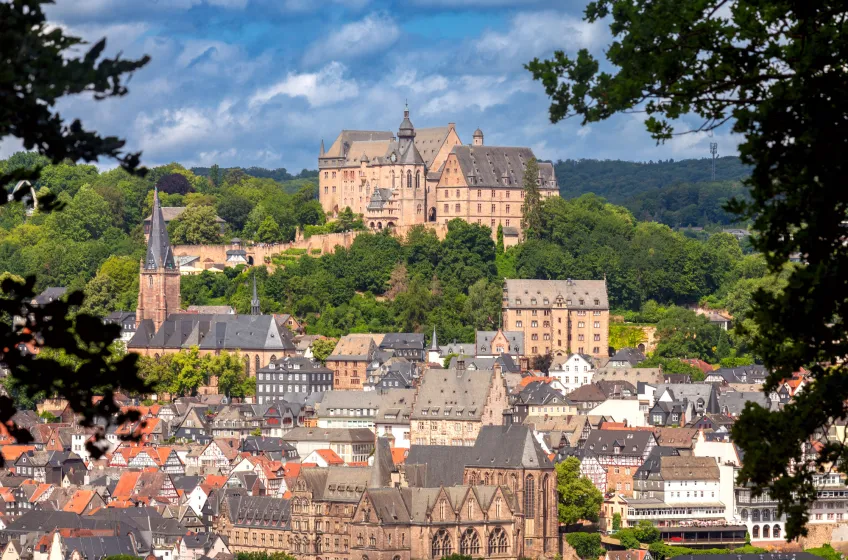
Marburg is a picturesque university town in the heart of Hesse, central Germany. Nestled along the Lahn River and crowned by a dramatic hilltop castle, Marburg is known for its steep, cobbled streets, half-timbered medieval architecture, and one of the oldest universities in Germany. This charming town is a dream for history buffs, literature lovers, and those seeking a slower, more atmospheric escape off the beaten tourist track. With its fairy tale aesthetics and vibrant student culture, Marburg offers a fascinating blend of the old and the youthful.
Recommended Marburg Hotels & Other Accommodation
Pre-book Marburg Attractions, Tours & Experiences
Why is Marburg Worth a Visit?
Marburg is worth visiting for its enchanting medieval charm, rich academic history, and striking hilltop setting. Unlike many heavily touristed German cities, Marburg has retained an authentic and relaxed character, largely thanks to its university population. The University of Marburg, founded in 1527, was the first Protestant university in the world and still dominates the life of the town today. The entire old town feels like a film set—narrow alleys, crooked houses, and secret staircases weave around the hill, giving it an otherworldly feel that even inspired the Brothers Grimm during their studies here.
With fewer crowds than larger cities like Heidelberg or Munich, Marburg offers the perfect blend of historical interest, scenic views, and vibrant cultural life. Whether you’re interested in tracing the paths of famous scholars, enjoying a riverside walk, or exploring centuries-old architecture, Marburg is a hidden gem that rewards the curious traveller.
Marburg Highlights: Things to See and Do in Marburg
Marburger Schloss (Landgrafenschloss)
The Landgrave Castle of Marburg, perched on the highest hill in the town, offers breathtaking panoramic views over the red-roofed old town and the surrounding Lahn Valley. Originally constructed in the 11th century and expanded over time, the castle is steeped in history, including hosting the famous Marburg Colloquy in 1529—where Martin Luther and other Protestant leaders debated religious reforms. The castle houses the Marburg University Museum of Cultural History, which includes a collection of medieval artefacts, weapons, and religious art. Walking up to the castle through winding medieval streets is an experience in itself, but you can also take a local bus if the climb seems too steep.
Elisabethkirche (St. Elizabeth’s Church)
Germany’s first purely Gothic church, the Elisabethkirche is a masterpiece of 13th-century architecture and a major pilgrimage site. Built to honour Saint Elizabeth of Hungary, who dedicated her life to helping the poor, the church was completed in 1283 and remains a symbol of Christian charity and architectural grandeur. Inside, you’ll find soaring vaulted ceilings, impressive stained-glass windows, and the tomb of Saint Elizabeth herself. It's located at the lower end of the town, making it an ideal starting point for a walk up through Marburg’s historic core.
Oberstadt (Upper Town)
Marburg’s Oberstadt is the medieval heart of the city, a maze of narrow cobbled streets, steep staircases, and crooked half-timbered houses that haven’t changed much in centuries. The area is brimming with little boutiques, cafés, and independent bookshops, and is best explored on foot. The Markt (market square) is particularly picturesque, featuring the ornate Gothic-style Town Hall (Rathaus) with its clock tower. Don’t miss the mechanical rooster that crows every hour from the clock!
The Grimm-Dich-Pfad (Grimm Path)
The Grimm-Dich-Pfad is a unique walking trail through the old town that celebrates the Brothers Grimm, who studied in Marburg in the early 1800s. The trail links over 30 stops inspired by Grimm’s fairy tales, with little bronze statues and interactive displays dotted along the way. It’s fun for all ages and offers a creative way to see the city’s sights while learning about the Grimms’ time in Marburg and their famous stories.
Lahn River Walk and Bootshaus
For a relaxing contrast to the hilly old town, head down to the Lahn River. The riverside promenade is perfect for walking or cycling, especially in spring and summer. You can rent a pedal boat or canoe from the Bootshaus (boat house), or simply enjoy a drink at the waterside café. The river winds through green meadows and offers lovely views back up to the castle and old town skyline.
Botanischer Garten (Old Botanical Garden)
Situated close to the university, the Old Botanical Garden is a peaceful, shady spot that dates back to the 18th century. It’s not overly manicured, which gives it a charmingly wild atmosphere, and it’s home to a wide variety of plant species, historic greenhouses, and quiet benches perfect for reading or picnicking. It’s free to enter and is a favourite with students, locals, and nature lovers.
Philipps-Universität Marburg
Founded in 1527 by Philip I of Hesse, this is Germany’s oldest Protestant university. While many of the faculties are spread out across town, several historic buildings are in the Oberstadt and well worth a look. The university library, Audimax lecture hall, and various courtyards can be explored freely, and many of the buildings feature beautiful architecture and plaques marking their historical importance.
Kunsthalle Marburg
This modern art museum is housed in a stately early 20th-century building and features changing exhibitions of contemporary and 20th-century art. It’s a small but thought-provoking gallery that makes a good cultural stop, especially if the weather turns grey. Entry is usually free or very inexpensive.
Kaiser Wilhelm Tower (Spiegelslustturm)
For another fantastic panoramic view of Marburg and the Lahn Valley, head to this observation tower on the Lahn hills. Built in honour of Kaiser Wilhelm I, the Spiegelslustturm offers a quieter and more nature-oriented perspective of the town. There’s a café nearby and several forest walking trails that begin from here.
Marburg’s Staircases and Elevators
A unique feature of Marburg’s old town is its network of outdoor escalators and lifts to help pedestrians navigate the steep inclines. These are free to use and blend surprisingly well into the historic setting. It’s worth finding a couple just for the novelty—and they’re a lifesaver after a long day of walking!
Practical Advice for Visitors
Getting There
Marburg is easily accessible by train, located on the main line between Frankfurt and Kassel. From Frankfurt am Main, the journey takes about 1 hour and 15 minutes by regional train (RE or RB). If flying into Frankfurt International Airport, it’s a straightforward transfer via Frankfurt Hauptbahnhof. Driving to Marburg is also possible, but the old town is largely pedestrianised, and streets are narrow and steep, so it’s not always the easiest place to navigate by car.
Parking
If you do drive, there are several car parks on the outskirts of the old town, including at Pilgrimstein, Oberstadt, and Rudolphsplatz. From there, you can walk or take the lift systems into the heart of the town. Parking fees apply but are reasonable by German standards. Avoid trying to drive into the actual Oberstadt unless you’re staying at a hotel with access.
Dining
Marburg has a great range of dining options, from traditional German fare to international cuisine. For classic Hessian dishes like Handkäse mit Musik or hearty schnitzels, try Gasthaus Zur Sonne or Restaurant Bückingsgarten (which also has a castle view). Café Vetter near the market square is a local institution for coffee and cake. For something more modern, Miss Marburg and 100MONTADITOS offer tasty, casual meals with good vegetarian options. Budget travellers will find plenty of affordable student-friendly spots thanks to the university influence.
Shopping
The Oberstadt is full of charming little shops selling books, antiques, handmade crafts, and clothing. Some of the best finds include Marburger Buchhandlung (a cosy independent bookshop), the university’s own merch shop, and several small boutiques selling German ceramics or eco-conscious goods. There’s also a weekly market in the marketplace square offering fresh produce, flowers, and local specialities.
When to Visit
Marburg is a year-round destination, but spring and autumn are particularly lovely. In spring, the riverside blooms with cherry blossoms and the botanical garden comes to life. Autumn brings golden colours to the hills and fewer tourists. Summer is lively, with students and locals flocking to the river, but it can also be quite warm. Winter is quiet and atmospheric, especially when the Christmas lights go up in the Oberstadt.
Local Events
One of the highlights of the year is the Elisabethmarkt, held each autumn with food stalls, music, and a festive atmosphere. The town also hosts a medieval-themed event in summer called 3-Tage Marburg (Three Days of Marburg), full of performances, market stalls, and street theatre. Around Christmas, the Marburg Weihnachtsmarkt transforms the old town into a festive wonderland with mulled wine, crafts, and twinkling lights.
Exploring Beyond Marburg
If you’ve got extra time, there are some delightful places nearby. The university town of Giessen is only 30 minutes away and has museums and a more modern feel. For nature lovers, the Burgwald forest north of Marburg offers scenic walking trails and remote castle ruins. The fairytale town of Alsfeld, with its impeccably preserved timber-frame houses, is around an hour's drive away and makes for a charming day trip.
Whether you're following in the footsteps of the Brothers Grimm or simply seeking a town with character and soul, Marburg offers a uniquely rewarding experience. Its mix of historic charm, student energy, and fairy tale atmosphere makes it one of Germany’s most underrated destinations—perfect for slow travel, cultural discovery, and scenic relaxation.
Shortlist
- Your Shortlist is empty