
Discover Essen | A Visitor's Introduction to Essen
Recommended places to visit, places to stay and things to do in and around Essen
Essen is a dynamic city in the heart of Germany’s Ruhr region, known for its fascinating transformation from a heavy industrial centre into a cultural and green metropolis. Once dominated by coal mines and steelworks, Essen has reinvented itself as a UNESCO-listed destination of innovation, creativity, and sustainability. With its mix of industrial heritage, vibrant arts scene, and lush green spaces, Essen offers a surprising and enriching getaway for travellers who enjoy urban exploration with a twist of history and nature.
Whether you’re an architecture enthusiast, a museum lover, or simply looking for a different kind of city break, Essen’s unique combination of gritty charm and contemporary culture makes it an exciting place to explore.
Recommended Essen accommodation: Hotels Apartments
Pre-book Essen Attractions, Tours & Experiences
Why is Essen Worth a Visit?
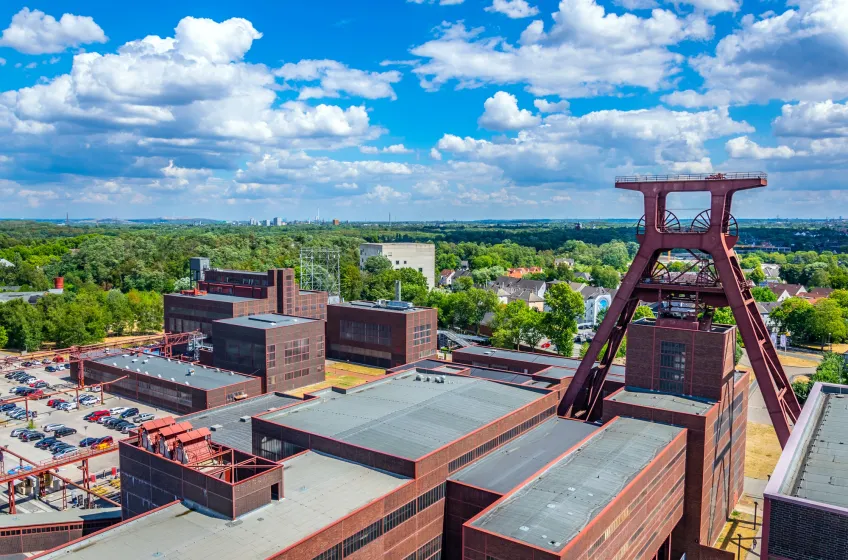
Essen is worth visiting for its exceptional industrial heritage, which has been cleverly integrated into the city’s modern identity. The city is home to one of Germany’s most iconic UNESCO World Heritage Sites — the Zollverein Coal Mine Industrial Complex — which now serves as a cultural and design hub. But beyond the smokestacks and steel, Essen is surprisingly green, with vast parks, forests, and even a picturesque lake.
Its central location in the Ruhrgebiet (Ruhr region) also means that Essen is a perfect base for exploring one of Europe’s most densely populated and culturally rich areas. Essen is not just about the past; it's also a forward-looking city with a strong arts scene, lively gastronomy, and engaging urban renewal projects. Whether you’re wandering through museums, relaxing by the lake, or attending a classical concert in a former coal plant, Essen offers a multifaceted experience that blends heritage and modern life in a way that few cities do.
Essen Highlights: Things to See and Do in Essen
Zollverein Coal Mine Industrial Complex (Zeche Zollverein)
Often referred to as the "most beautiful coal mine in the world", the Zollverein complex is the beating heart of Essen's cultural identity. Declared a UNESCO World Heritage Site in 2001, it’s a masterclass in Bauhaus architecture and industrial history. What once symbolised the power of German heavy industry has now become a centre for art, design, and cultural events.
Visitors can explore the Ruhr Museum, housed in the former coal-washing plant, which provides a fascinating look into the history of the region. The Red Dot Design Museum, located on the premises, is another must-see, featuring award-winning contemporary design in a beautifully restored industrial setting. Guided tours of the site offer deeper insight into its working past, and the grounds are open for walks, photography, and even open-air cinema in summer.
Museum Folkwang
For art lovers, Museum Folkwang is a real gem. This internationally renowned museum hosts a superb collection of 19th and 20th-century art, including works by Van Gogh, Monet, Cézanne, and Picasso. It’s also known for its photography exhibitions and modern installations.
The building itself is a sleek and light-filled space designed by David Chipperfield, offering free entry to its permanent collections, making it both accessible and enriching. Located just a short tram ride from the city centre, this is a cultural must.
Grugapark
A sprawling urban park that offers a refreshing break from city life, Grugapark is ideal for families, couples, and solo travellers alike. It’s more than just a park — it’s a botanical garden, zoo, and wellness space all in one. Originally created for a horticultural show in 1929, it now includes themed gardens, tropical houses, art sculptures, and even an open-air stage.
It’s a lovely place to unwind, especially in spring and summer. For those travelling with children, there’s a fun playground and petting zoo, while adults can enjoy peaceful corners or join yoga sessions under the trees.
Essen Cathedral and Treasury (Essener Dom)
Essen’s spiritual and historical heart is the Essener Dom, a Romanesque-Gothic cathedral that traces its roots back over a thousand years. While the building itself is relatively modest in size, the real treasure lies inside — the Cathedral Treasury, which contains one of the most important collections of Ottonian art in Europe.
Notable items include the stunning Golden Madonna of Essen, the oldest known sculpture of the Virgin Mary in the western world. The calm and reverent atmosphere here offers a moment of reflection in contrast to the bustling city around it.
Villa Hügel
Once the residence of the powerful Krupp industrial family, Villa Hügel is a palatial 19th-century mansion overlooking the Ruhr Valley. It’s a symbol of Essen’s industrial age and the wealth it generated. The 269-room mansion is set within a vast park and offers a glimpse into the life of one of Germany’s most influential families.
Today, the villa hosts exhibitions and concerts, and you can explore both the building and its lush grounds, which are particularly beautiful in autumn. It’s a great stop for those interested in the city’s economic and architectural history.
Baldeneysee (Lake Baldeney)
Essen’s green credentials are on full display at Baldeneysee, a man-made reservoir and popular leisure area to the south of the city. Whether you’re into sailing, paddleboarding, cycling, or just lazing by the water with a drink, this is a brilliant escape from the urban core.
There’s a scenic walking and cycling path that loops around the entire lake (about 15km), and in summer, boats operate tours on the water. The lake is also close to Villa Hügel, making it easy to combine the two in a day.
Aalto Theatre (Aalto-Musiktheater)
Opera lovers should not miss the chance to see a performance at the Aalto Theatre, known for its exceptional acoustics and striking modernist design by Finnish architect Alvar Aalto. It’s home to Essen’s opera and ballet companies and regularly stages productions of international quality.
Even if you’re not an opera aficionado, the building is worth admiring for its clean, flowing architectural lines and its location in the city’s Kulturviertel (Cultural Quarter).
Philharmonie Essen
This beautifully restored concert hall is one of Germany’s finest. The Philharmonie Essen, located within the Saalbau complex, offers a wide-ranging programme from classical concerts to jazz and world music. The main hall, with its elegant Art Nouveau styling and superb acoustics, provides a luxurious setting for an evening out.
It’s conveniently located near the city centre, and the adjacent park is a pleasant spot for a pre-show stroll.
Old Synagogue (Alte Synagoge)
Essen’s Old Synagogue is one of the largest and best-preserved pre-war synagogues in Europe. Today it serves as a cultural and educational centre focusing on Jewish life and history. The architecture alone is impressive, with its huge dome and ornamental details, but the exhibitions inside provide valuable insight into the city’s Jewish community and the impact of Nazi rule.
Margarethenhöhe
A unique example of early 20th-century social housing, Margarethenhöhe is a charming garden city district founded by Margarethe Krupp in 1906. Walking through its quiet, leafy streets feels like stepping back in time. The area is a favourite among architecture buffs and photographers, thanks to its harmonious layout, decorative facades, and picturesque squares.
There’s also a small museum flat that you can visit to learn about daily life here in the early 1900s.
Practical Advice for Visitors
Getting There
Essen is well connected by road and rail, with Essen Hauptbahnhof (main station) serving as a major stop on Germany’s Intercity Express (ICE) network. Trains from Düsseldorf take just under 30 minutes, and it’s about 1 hour from Cologne or Dortmund.
If you’re flying in, the nearest airport is Düsseldorf International (DUS), just 30km away. From there, you can catch a direct train or hire a car. For those driving, the A40 motorway runs straight through Essen, although traffic can be heavy during peak hours.
Parking
Parking in central Essen is relatively easy compared to larger German cities. There are several multi-storey car parks in the city centre, including near Limbecker Platz shopping centre and the main station. Street parking is available but may be limited during the day. Look out for signs indicating paid zones (marked "Parkschein") and be sure to display a ticket.
Free parking can sometimes be found in the residential areas outside the city core, especially near tram stops for easy access.
Dining
Essen’s dining scene is as diverse as its history. For a taste of regional specialities, try Haus Großjung or Der Bonner Hof, both offering hearty Ruhr-style cuisine like Sauerbraten and Reibekuchen (potato pancakes). For a modern twist, Zweigleisig and Miamamia offer fine dining with seasonal ingredients and contemporary flair.
Street food lovers should stop by the Rüttenscheider Strasse (nicknamed "Rü"), where cafés, bistros, and international eateries line the street — perfect for brunch or evening drinks.
For sweet treats, grab a slice of Donauwelle cake at Café Extrablatt or indulge in traditional German pastries at Bäckerei Döbbe.
Shopping
Essen’s main shopping area centres around Limbecker Platz, one of the largest inner-city malls in Germany, with over 200 shops covering everything from fashion to electronics. For independent boutiques and creative shops, head to the Rüttenscheid district, where you’ll find local designers, vintage stores, and unique gift shops.
On Saturdays, the Rüttenscheider Markt offers fresh produce, flowers, and regional delicacies — a great spot to pick up something local.
When to Visit
Essen can be enjoyed year-round, but spring (April–June) and autumn (September–October) are especially pleasant, with mild temperatures and colourful scenery, particularly around Grugapark and Baldeneysee.
Summer is lively, with open-air festivals and events, though it can get busy. Winter has its charms too, especially during the festive season when the Essen Christmas Market lights up the city with stalls, mulled wine, and holiday cheer.
Local Events
Essen hosts several notable annual events, including:
Essener Lichtwochen (Essen Light Weeks) – From late October to early January, the city centre is transformed with spectacular light installations and festive decorations.
Essen Original – A free, open-air music festival held in summer, featuring local and international acts across multiple stages.
TechnoClassica – One of the world’s biggest classic car shows, attracting collectors and enthusiasts each spring.
Zechenfest at Zollverein – A family-friendly festival celebrating the region’s mining heritage, held every few years with live music, food stalls, and industrial-themed tours.
Exploring Beyond Essen
If you have time, there are plenty of great places to explore nearby. Bochum (20 minutes by train) is home to the excellent German Mining Museum, while Duisburg offers an impressive Landschaftspark — a former ironworks turned into an outdoor adventure park.
To the south, Hattingen is a picturesque medieval town with timber-framed houses and a lovely old town. Or take a scenic drive along the Route der Industriekultur (Industrial Heritage Trail), which links many historic sites across the Ruhr region.
Essen might not be the first name that comes to mind for a city break in Germany, but that’s exactly what makes it special. It’s a place that defies expectations — where industrial grit meets cultural gold, and where modern life blends beautifully with historical depth. Whether you come for the UNESCO sites, the lakeside walks, or the buzzing arts scene, Essen is a city that surprises, delights, and stays with you long after you leave.
Shortlist
- Your Shortlist is empty