
Discover Regensburg | A Visitor's Introduction to Regensburg
Recommended places to visit, places to stay and things to do in and around Regensburg
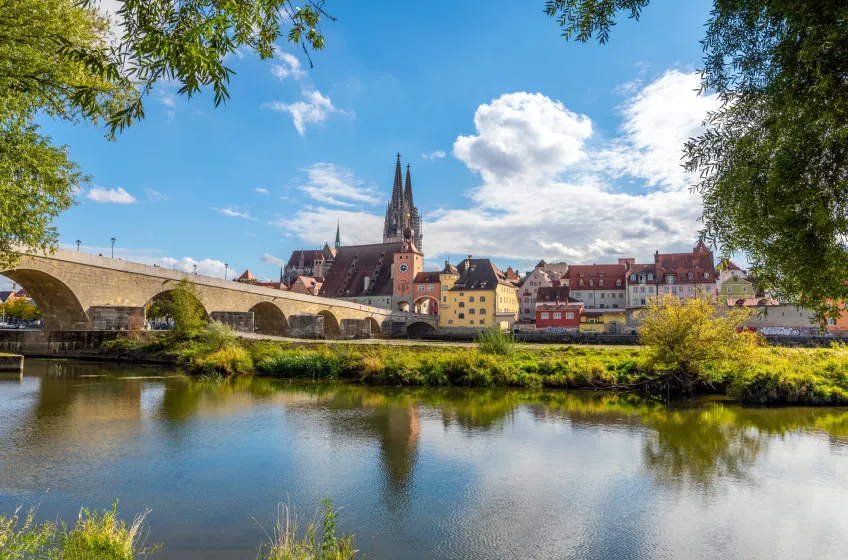
Regensburg is a beautifully preserved medieval city nestled on the banks of the Danube River in southeast Germany, in the state of Bavaria. Known for its UNESCO World Heritage-listed Old Town, Roman history, and Gothic architecture, this charming city offers a delightful mix of the ancient and the modern. With cobbled lanes, vibrant beer gardens, and over 1,000 listed historic buildings, Regensburg is the perfect destination for history enthusiasts, culture lovers, and those seeking a more relaxed, authentic Bavarian experience away from the larger tourist hubs like Munich or Nuremberg.
Recommended Regensburg Hotels & Other Accommodation
Pre-book Regensburg Attractions, Tours & Experiences
Why is Regensburg Worth a Visit?
Regensburg is worth visiting for its extraordinary historical significance and well-preserved cityscape, which spans nearly two millennia of continuous human habitation. Once a key Roman stronghold known as Castra Regina, it later became a flourishing medieval trading centre and eventually the seat of the Imperial Diet of the Holy Roman Empire. The city escaped major damage during World War II, leaving much of its architectural heritage untouched.
Its atmospheric Old Town, filled with Gothic spires, Roman remnants, and medieval patrician towers, feels like stepping into a living museum. Yet Regensburg is anything but stuck in the past—its university gives the city a youthful vibe, and there's a lively café culture, buzzing riverside nightlife, and a deep-rooted brewing tradition. Whether you’re into cathedral visits, boat trips on the Danube, exploring hidden alleys, or sipping a beer in a historic brewery, Regensburg delivers an enriching and relaxing city break.
Regensburg Highlights: Things to See and Do in Regensburg
Regensburg Cathedral (Dom St. Peter)
The city’s most iconic structure, Regensburg Cathedral is a stunning example of High Gothic architecture and is considered one of the finest in southern Germany. Its twin spires dominate the skyline, and inside you’ll find intricate stained glass windows from the 13th and 14th centuries. The cathedral is also home to the famous Regensburger Domspatzen, a world-renowned boys’ choir. Attend a service or concert if you can—it’s an unforgettable experience. Entry is free, and it’s open daily, though be mindful of service times.
Stone Bridge (Steinerne Brücke)
Built in the 12th century, this remarkable stone bridge was an engineering marvel of its time and served as a model for many later bridges across Europe. Spanning the Danube, it links the Old Town to Stadtamhof, a quaint district just across the river. It offers panoramic views of the city and is especially atmospheric at sunset. It’s also a great vantage point for watching the river cruise boats and rowers go by.
Old Town (Altstadt)
Regensburg’s Old Town is a labyrinth of narrow, cobbled streets lined with pastel-coloured buildings, ancient courtyards, and medieval towers. It’s easy to get lost, in the best possible way. Look out for the Goliathhaus, with its giant mural, and the Golden Tower, one of the city’s many patrician towers built by wealthy merchants. Don’t miss Haidplatz and Neupfarrplatz, two of the most charming squares in town, ideal for a coffee break or people-watching.
Porta Praetoria
One of the oldest Roman structures still standing north of the Alps, the Porta Praetoria was once the northern gate of the Roman fort Castra Regina. Dating back to 179 AD, it's a must-see for history buffs and offers a glimpse into Regensburg’s Roman origins. It’s free to view and located just next to the cathedral.
St. Emmeram’s Abbey and Palace Thurn und Taxis
A fascinating blend of religious and aristocratic history, St. Emmeram’s Abbey was later converted into a palace by the Thurn und Taxis family, who ran Europe’s postal system in the 16th century. Today, the opulent palace is still partly inhabited by the family but also open to visitors via guided tours. Lavishly decorated rooms, a magnificent library, and carriage collections await inside.
Historisches Museum Regensburg
Housed in a former monastery, this excellent museum tells the story of Regensburg from the Roman period to the modern era. Artefacts, sculptures, and artworks provide deeper context to the city's development. It’s a great rainy-day activity and especially rewarding for those wanting to go beyond the surface.
Alte Wurstkuchl (Historic Sausage Kitchen)
This tiny riverside sausage stand claims to be the oldest continuously operating public restaurant in the world, dating back to the 12th century. It served food to the stonemasons who built the bridge! Sit outside on the wooden benches and enjoy traditional Bavarian sausages with sauerkraut and sweet mustard, washed down with a local beer.
Stadtamhof
Across the Stone Bridge lies this picturesque former village that now forms part of Regensburg. Its brightly coloured houses, artisan shops, and quieter atmosphere make it a lovely place for a stroll. It's also home to some excellent ice cream shops and riverside beer gardens.
Danube River Cruises
One of the best ways to experience Regensburg is from the water. Several companies offer boat cruises on the Danube, ranging from short sightseeing tours to day trips to the nearby Walhalla memorial or Weltenburg Abbey. These trips provide a different perspective on the city and the surrounding Bavarian countryside.
Walhalla Memorial
Located just outside Regensburg, this neoclassical temple modelled on the Parthenon was built by King Ludwig I in the 19th century to honour distinguished Germans. It sits on a hilltop overlooking the Danube and offers spectacular views. You can reach it by boat or car, and the setting alone is worth the trip.
Kepler House Museum
Famed astronomer Johannes Kepler lived and died in Regensburg, and his former home is now a small museum dedicated to his life and work. It’s a quiet but thought-provoking stop, especially for those with an interest in science and astronomy.
Scots Monastery (Schottenkirche)
A beautiful example of Romanesque architecture, this former monastery was founded by Irish missionaries in the 11th century. Its peaceful cloisters and richly carved portal offer a tranquil escape from the busier streets.
University of Regensburg Campus
If you enjoy modern architecture or want a change from the historic setting, the University campus offers an insight into contemporary German academic life. The nearby student quarter also has plenty of budget-friendly bars, eateries, and cultural spaces.
Christmas Market (Weihnachtsmarkt)
If you’re visiting in late November or December, Regensburg's Christmas markets are some of the most atmospheric in Bavaria. There are several around town, but the one at Thurn und Taxis Palace is particularly magical, with a fairy-tale setting, craft stalls, and mulled wine.
Practical Advice for Visitors
Getting There
Regensburg is well connected by train and road. It’s around 90 minutes by direct train from Munich and under an hour from Nuremberg. The city is also accessible from Munich Airport (approx. 1.5 hours by train or car), and there are bus services connecting it with nearby towns and regions. If you're driving, Regensburg lies just off the A3 and A93 motorways.
Parking
Parking in the Old Town can be tricky, especially on weekends or during festivals. Use one of the city’s multi-storey car parks such as Parkhaus Dachauplatz or Tiefgarage am Theater. Most are well signposted and reasonably priced. Consider using the park-and-ride (P+R) options on the outskirts if you’re planning to stay for the day.
Dining
Regensburg has an excellent mix of traditional Bavarian eateries and international cuisine. Try Wurstkuchl for sausages, Kneitinger for hearty beer hall fare, and Storstad if you’re after Michelin-starred fine dining with a Scandinavian twist. For something casual and student-friendly, Diba offers top-notch falafel, and Orphee is great for French-inspired dishes in a bohemian setting.
Don’t miss out on regional dishes like Schweinebraten (roast pork), Obatzda (a spiced cheese spread), and Dampfnudeln (sweet steamed dumplings). And of course, the beer—from local breweries like Spital, Kneitinger, and Bischofshof—is excellent.
Shopping
The city centre is filled with independent boutiques, bookshops, and antique stores. Check out Luise Fashion for stylish women’s wear, Goliath Books for international titles, and Regensburger Seifenmanufaktur for handmade soaps and local gifts. The Saturday market on the Neupfarrplatz is a good spot for local produce, flowers, and handicrafts.
When to Visit
Regensburg is lovely year-round, but spring (April–June) and early autumn (September–October) offer the most pleasant weather and fewer crowds. Summer is vibrant with outdoor events, while winter brings festive charm with the Christmas markets. If you enjoy quieter experiences, visit mid-week in shoulder seasons.
Local Events
Bürgerfest (Citizens’ Festival) takes place every two years and is one of the biggest city festivals in Bavaria, with music, dancing, food, and street theatre. The Regensburger Dult, a traditional fair held twice a year (spring and autumn), combines beer tents, rides, and Bavarian hospitality. Classical music lovers should look out for the Regensburg Early Music Festival, usually held in May, which attracts performers from all over Europe.
Exploring Beyond Regensburg
There are several excellent day trips from Regensburg. The Weltenburg Abbey, accessible by boat or car, is famous for its cliffside setting and the world’s oldest monastic brewery. The Bavarian Forest lies about an hour to the east and is perfect for hiking or cycling. The historic towns of Kelheim, Straubing, and Amberg are also within easy reach and offer their own unique charm and heritage.
Final Thoughts
Regensburg may not be as famous as some of Germany’s larger cities, but its mix of Roman heritage, medieval architecture, vibrant culture, and riverfront charm make it an unmissable destination for anyone travelling through Bavaria. Whether you come for a day trip or linger for a few days, Regensburg offers a rich and rewarding experience that balances history with modern living in a way few cities manage so seamlessly.
Shortlist
- Your Shortlist is empty