
Discover Warnemünde | A Visitor's Introduction to Warnemünde
Recommended places to visit, places to stay and things to do in and around Warnemünde
Warnemünde is a charming seaside resort town located on the Baltic Sea coast in northern Germany. Part of the city of Rostock in the state of Mecklenburg-Vorpommern, this former fishing village has evolved into one of Germany’s most beloved beach destinations. Known for its broad, sandy beaches, traditional lighthouses, and relaxed maritime atmosphere, Warnemünde is ideal for beach lovers, cruise passengers, and anyone seeking a laid-back coastal escape. With its distinctive mix of old-world charm and seaside leisure, Warnemünde offers a delightful taste of Baltic coastal life.
Recommended Warnemünde accommodation: Hotels Holiday Homes
Pre-book Warnemünde Attractions, Tours & Experiences
Why is Warnemünde Worth a Visit?
Warnemünde is worth visiting for its pristine white-sand beach, lively promenade, and picturesque harbour filled with fishing boats and yachts. It’s a place where maritime tradition meets seaside relaxation, all set against the backdrop of charming 19th-century villas and cobbled streets. This town has managed to maintain its coastal authenticity while becoming a top destination for both Germans and international visitors, especially during the summer months.
Unlike flashier resorts, Warnemünde offers a more tranquil experience. Its appeal lies in its simplicity: the sound of waves, the scent of smoked fish, and leisurely strolls along the Alter Strom (Old Channel). It's also a popular port of call for Baltic Sea cruises, making it a convenient gateway for exploring northern Germany. Whether you want to sunbathe, sail, cycle, or just enjoy a hearty meal of freshly caught fish, Warnemünde’s friendly, unpretentious charm makes it an excellent destination.
Warnemünde Highlights: Things to See and Do in Warnemünde
Warnemünde Beach
The town’s main draw is undoubtedly its beach — one of the widest on the Baltic coast. Stretching over 100 metres in width and several kilometres in length, Warnemünde Beach is perfect for sunbathing, beach sports, swimming, or simply enjoying a walk along the shoreline. The soft, white sand and shallow waters make it ideal for families with children. Beach chairs (Strandkörbe) can be rented for a quintessential German beach experience, and there are plenty of food stands and kiosks offering snacks and drinks during the warmer months.
Alter Strom (Old Channel)
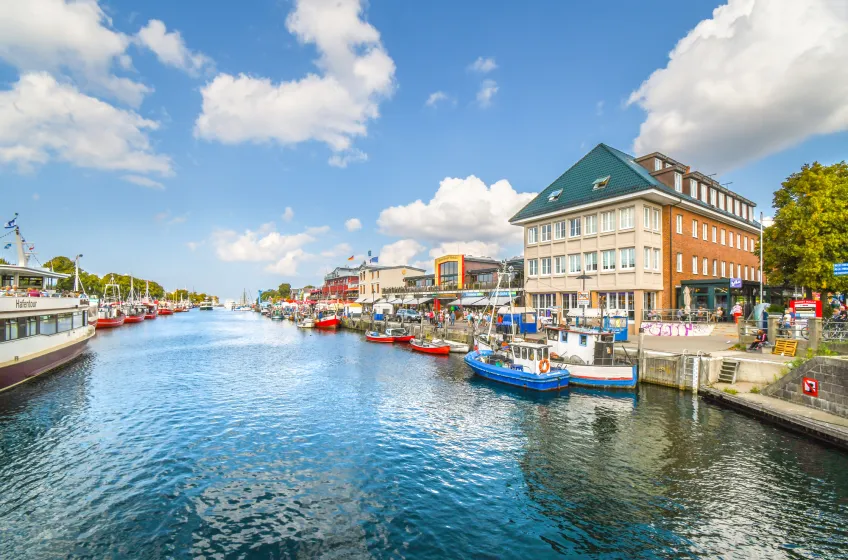
The Alter Strom is a historic waterway that cuts through the heart of Warnemünde. Flanked by colourful fishermen’s houses, cafés, ice cream parlours, and souvenir shops, this is the beating heart of the town. Watching boats come and go while enjoying a Fischbrötchen (fish sandwich) is practically a rite of passage here. It’s also a great place for photography, especially in the golden hour when the water reflects the pastel buildings.
Warnemünde Lighthouse and Teepott
One of the town’s iconic landmarks, the Warnemünde Lighthouse dates back to 1898 and is still operational. For a small fee, visitors can climb to the top and enjoy panoramic views over the town and the Baltic Sea. Right next to it is the futuristic-looking Teepott, a 1960s-era building that houses cafés and restaurants. The area around these landmarks is lively and often features live music, street performers, and local markets, especially in summer.
Westmole and the Breakwater
The long stone pier (Westmole) that extends into the Baltic Sea is perfect for a bracing walk, especially around sunset or during stormy weather. The green and white lighthouse at the tip is a favourite photo spot. On a clear day, you can see cruise ships and ferries as they enter and exit the harbour. It's a peaceful place to take in the sea air and get a sense of the town's maritime energy.
Edvard Munch House
Art lovers may be surprised to learn that the Norwegian painter Edvard Munch spent several summers in Warnemünde in the early 1900s. His former residence now houses a small cultural centre and gallery space, offering exhibitions and insights into Munch’s time in the town. It’s a hidden gem for those interested in art history or seeking something a bit different from the usual seaside fare.
Cruise Ship Watching
Warnemünde is one of Germany’s most important cruise ship ports. Even if you’re not setting sail yourself, it’s worth checking the schedule and heading down to the waterfront to see the enormous liners docking. The size and spectacle of these ships can be quite a sight, and the atmosphere around town becomes more vibrant when they’re in port.
Warnemünde Kurpark
Just behind the beachfront lies the Kurpark, a peaceful green space filled with walking paths, flowerbeds, and occasional open-air concerts. It’s a great spot for a quiet rest away from the beach crowds and ideal for picnicking or reading under a shady tree. In summer, it's also the site of cultural events and seasonal flower displays.
Fischmarkt (Fish Market)
Held on weekends along the Alter Strom, the Warnemünde Fischmarkt is a must for foodies. Here you’ll find everything from freshly caught fish and seafood to smoked eel, marinated herring, and local delicacies. It’s also a good place to buy regional products like sea buckthorn jam or handmade crafts.
Karls Erlebnis-Dorf
Located just outside Warnemünde in Rövershagen (about 15 minutes by car or train), Karls Erlebnis-Dorf is a fun-filled rural attraction that blends a farm theme with family-friendly entertainment. It includes petting zoos, a market, restaurants, a small amusement park, and seasonal events like strawberry festivals. Kids especially love it, but adults will enjoy the rustic food and quirky atmosphere.
Warnemünde Church (St. Christophorus)
This red-brick neo-Gothic church is worth a short visit, especially for its beautiful stained-glass windows and quiet, peaceful interior. It serves as a spiritual and cultural centre for the community and often hosts organ concerts.
Rostock City
Just 20 minutes inland by S-Bahn, the historic city of Rostock offers cobbled streets, Gothic architecture, a bustling university atmosphere, and lively shopping streets. It’s perfect for a day trip if you want a break from the beach and more cultural depth.
Practical Advice for Visitors
Getting There
Warnemünde is easily accessible by train, car, or ferry. The nearest major transport hub is Rostock, from where regular S-Bahn trains (S1 line) run directly to Warnemünde station, located conveniently near the waterfront and beach. The journey from Rostock takes about 20 minutes. If you’re arriving by air, the closest airport is Rostock-Laage, about 45 minutes away by car. Long-distance trains from Berlin, Hamburg, and Lübeck also connect to Rostock, making Warnemünde an easy weekend or holiday destination from Germany’s bigger cities.
Parking
Warnemünde is a popular spot, especially in summer, and parking can be challenging during peak times. Several large car parks are located on the outskirts of the town, including “Parkplatz am Kirchenplatz” and “Parkhaus Molenfeuer.” A park-and-ride system is in place during busy periods. It’s often easier (and more relaxing) to arrive by train if you’re staying nearby.
Dining
Warnemünde is a paradise for seafood lovers. Traditional dishes include smoked fish, herring, and fish soups, often served with rye bread or potatoes. Try Fischerklause on the Alter Strom for a traditional meal or Restaurant Paulo Scutarro for a more upscale experience with sea views. For casual fare, grab a Fischbrötchen from one of the many harbourside vendors. Teepott Restaurant near the lighthouse offers great views and solid regional cuisine. For ice cream and pastries, Café Röntgen is a local institution.
Shopping
While not a major shopping destination, Warnemünde has plenty of charm when it comes to small boutiques and souvenir shops. The Alter Strom is lined with shops selling nautical-themed gifts, local crafts, amber jewellery, and maritime clothing. The Warnemünder Bernstein Museum also has a shop where you can buy authentic Baltic amber. For local products like sea buckthorn-based cosmetics and preserves, try Ostseespezialitäten am Strom.
When to Visit
The best time to visit Warnemünde is from May to September when the weather is warmest, and the beach is at its best. July and August are the peak months, with the liveliest atmosphere but also the biggest crowds. For a quieter experience, late spring or early autumn is ideal. Winter is quiet and many attractions close or operate on limited hours, but it can be charming in its own wind-swept way if you're looking for solitude and bracing sea air.
Local Events
One of the biggest events in Warnemünde is Warnemünder Woche (Warnemünde Week), held every July. This international sailing regatta combines serious competition with a festival-like atmosphere, including live music, fireworks, street parades, and open-air performances. Another highlight is Hanse Sail, usually in August, when traditional tall ships and historic sailing vessels gather in nearby Rostock and often anchor in Warnemünde as well. During Christmas, Warnemünde holds a small but cosy Christmas market, with lights along the Alter Strom and festive food stalls.
Exploring Beyond Warnemünde
If you have extra time, there’s plenty to discover nearby. The city of Rostock, with its historic old town and vibrant university scene, is only a short ride away and offers more in terms of museums, shopping, and nightlife. Nature lovers might enjoy a visit to the Rostock Heath (Rostocker Heide), a large forested area with cycling and hiking trails just east of Warnemünde. Further along the Baltic coast, the resort towns of Kühlungsborn and Heiligendamm offer more beaches, spa hotels, and historic charm — both are easily reachable within an hour by car or train.
In Summary
Warnemünde offers a delightful mix of beachside leisure, maritime culture, and old-world charm. Whether you’re watching cruise ships come and go, enjoying a fresh Fischbrötchen by the harbour, or simply relaxing in a striped beach chair as the sea breeze rolls in, this Baltic gem has a timeless appeal. Its combination of seaside simplicity, historical character, and vibrant summer energy makes it one of northern Germany’s most rewarding coastal getaways.
Shortlist
- Your Shortlist is empty