
Discover The Harz | A Visitor's Introduction to The Harz Region
Recommended places to visit, places to stay and things to do in and around The Harz
The Harz is a mountainous region in central Germany, stretching across parts of Lower Saxony, Saxony-Anhalt, and Thuringia. Known for its dramatic landscapes, medieval towns, and fairy-tale legends, the Harz is one of Germany’s most enchanting and underrated travel destinations. With its misty forests, half-timbered villages, and the legendary Brocken mountain, it’s the perfect getaway for hikers, history lovers, and those in search of classic German charm. Whether you're chasing folklore, exploring castles, or riding steam trains through the hills, the Harz offers a magical escape into old-world Europe.
Recommended Harz Hotels & Other Accommodation
Pre-book Harz Attractions, Tours & Experiences
Why is the Harz Worth a Visit?
The Harz is worth visiting for its rich blend of natural beauty, medieval heritage, and mythical atmosphere. Unlike more crowded destinations in southern Germany, the Harz offers a peaceful, authentic experience where you can truly connect with both history and nature. The region’s dense forests, highlands, and narrow valleys are steeped in German folklore—particularly tales of witches, devils, and the mysterious Brocken peak.
The Harz is also home to some of the best-preserved medieval towns in the country, including Quedlinburg and Goslar, both UNESCO World Heritage Sites. You’ll find cobbled streets lined with half-timbered houses, towering castles, and atmospheric old squares. Outdoor enthusiasts will appreciate the excellent hiking and biking trails, while families and couples can enjoy scenic railway journeys, spa towns, and Christmas markets. The Harz has a slightly mystical feel that you won’t find elsewhere—perfect for those looking for something beyond the typical tourist trail.
Harz Highlights: Things to See and Do in the Harz
Quedlinburg
Quedlinburg is one of the jewels of the Harz and a must-see for any visitor. This UNESCO-listed town boasts over 1,000 half-timbered buildings, some dating back to the 14th century, spread across narrow, winding streets. The Altstadt (old town) is a joy to explore, with charming cafés, boutique shops, and a relaxed pace of life. Be sure to visit Quedlinburg Castle and the Collegiate Church of St. Servatius, which sits high above the town and offers beautiful views and a peek into Ottonian history. The town also has a strong artistic scene, with galleries and studios tucked away in hidden courtyards.
The Brocken
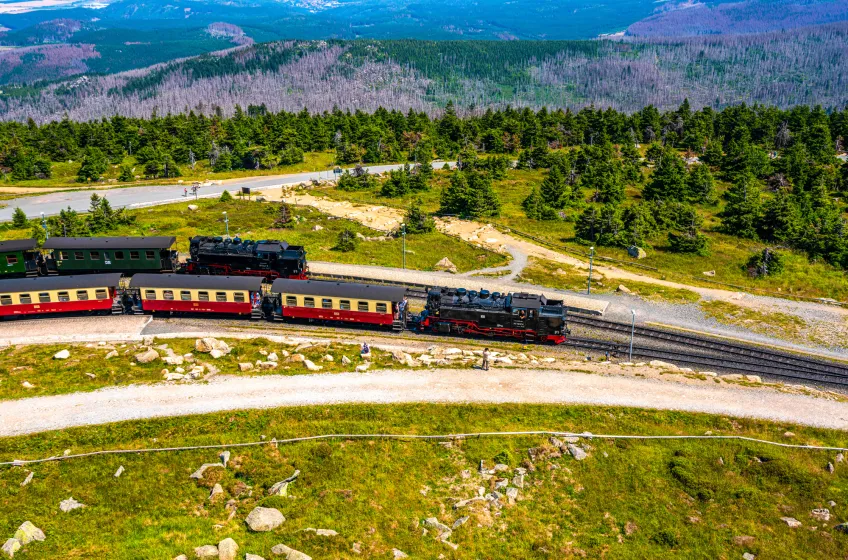
Standing at 1,141 metres, the Brocken is the highest peak in the Harz and one of the most iconic spots in German folklore. Known as the meeting place of witches during Walpurgis Night, it has long inspired spooky legends and literature, including Goethe's Faust. You can reach the summit by hiking or via the nostalgic Brockenbahn, a narrow-gauge steam railway that climbs through the forest from Wernigerode. The views from the top are stunning on clear days, and the weather station and Brocken Museum give insight into the mountain’s role during the Cold War when it was off-limits to the public.
Wernigerode
Often called “the colourful town in the Harz”, Wernigerode is another picture-perfect spot with brightly painted half-timbered buildings and a fairy-tale town square. The star attraction here is Wernigerode Castle, perched above the town with fantastic panoramic views and richly furnished interiors. The Harz Narrow Gauge Railway departs from Wernigerode, making it a great base for scenic train rides. Don’t miss the Rathaus (town hall), which looks like it belongs in a Grimm Brothers story, and the atmospheric cobbled streets around it, filled with cafés and little shops.
Goslar
Goslar is another UNESCO World Heritage Site, famous for its imperial history and medieval architecture. Once the seat of German kings, it’s home to the impressive Imperial Palace (Kaiserpfalz), which offers a fascinating insight into the Holy Roman Empire. The historic town centre is packed with over 1,500 half-timbered buildings, and the old market square is a great place to sit and soak up the atmosphere. Nearby, the Rammelsberg Mine—also part of the UNESCO site—offers underground tours and exhibits that explore over 1,000 years of mining history.
Harz Narrow Gauge Railways (HSB)
One of the most charming ways to explore the Harz is by steam train. The Harzer Schmalspurbahnen (HSB) operates more than 140 km of narrow-gauge railway through the mountains, connecting Wernigerode, Nordhausen, and the Brocken. The trains are mostly steam-powered, offering a nostalgic and scenic ride through forests, hills, and tiny villages. It's a delight for families, train enthusiasts, and anyone wanting to travel at a slower pace. The route to the Brocken is especially popular, but all lines offer their own charm.
Thale and the Hexentanzplatz
Thale is a great spot for those interested in Harz mythology. From here, you can take a cable car up to the Hexentanzplatz (“Witches’ Dancing Place”), a rocky plateau that plays a central role in local legends. According to folklore, witches gather here on Walpurgis Night (30 April) to celebrate with the devil. There’s a fun mix of attractions on the mountain, including a small zoo, a theatre, and great views over the Bode Gorge. For a more active experience, hike through the gorge itself via well-maintained trails and suspension bridges.
Stolberg
Stolberg is a peaceful and beautifully preserved town with Renaissance flair. Tucked into a valley and surrounded by beech forest, its red-roofed houses and narrow streets make it one of the most picturesque places in the region. Stolberg Castle is the main attraction, but the town also has a museum dedicated to Thomas Müntzer, a key figure in the German Peasants’ War who was born here. It’s a quieter alternative to Quedlinburg and perfect for a relaxing weekend.
Bad Harzburg
For spa lovers and outdoor adventurers, Bad Harzburg is a great stop. This health resort town at the foot of the Harz offers thermal baths, wellness centres, and forested hiking trails. The Burgberg Cable Car takes you up to the ruins of Harzburg Castle and provides access to excellent panoramic walking routes. The Baumwipfelpfad (tree-top walk) lets you experience the forest from above, with interactive platforms and educational exhibits.
Walkenried Abbey
Located in the southern Harz, Walkenried Abbey is a hauntingly beautiful Gothic monastery ruin, once one of the richest Cistercian abbeys in Germany. The adjacent museum does a fantastic job of explaining monastic life and the abbey’s historical significance. It’s less touristy than other sites and ideal for anyone interested in ecclesiastical architecture or quiet reflection.
Braunlage
Braunlage is a small resort town popular with skiers in winter and hikers in summer. The Wurmberg, the second-highest mountain in the Harz, can be accessed via cable car from here and offers skiing, sledding, and snowshoeing during the cold months, and hiking or mountain biking when it’s warm. The town also has a relaxed atmosphere with spas and local restaurants—ideal for a cosy base.
Rübeland Caves
For something a bit different, visit the caves near Rübeland. The Baumannshöhle and Hermannshöhle are fascinating limestone caves filled with stalactites and underground chambers. Guided tours are available and make a great rainy-day activity or an exciting adventure for children. There are even occasional concerts held in the larger cave halls.
Hahnenklee and the Stave Church
Hahnenklee is a peaceful village near Goslar, famous for its unusual stave church, built in the early 20th century in a Nordic style. It’s quite unlike anything else in the region and surrounded by tranquil forest paths. In winter, Hahnenklee also offers small-scale skiing, making it a lovely year-round destination.
Practical Advice for Visitors
Getting There
The Harz is centrally located and relatively easy to reach by train or car. The best entry points are via Göttingen, Hannover, or Magdeburg, with regional trains connecting to towns like Wernigerode, Goslar, and Quedlinburg. If flying in, Hannover Airport is the most convenient, followed by Leipzig/Halle. Driving gives you the most flexibility, especially for reaching remote villages and hiking spots. The Autobahns A7 and A38 skirt the region, with scenic routes leading into the mountains.
Parking
Most towns have designated car parks just outside the historic centres, which are usually pedestrianised. Pay-and-display machines are common, and parking is generally affordable. Wernigerode, Goslar, and Quedlinburg all have multi-storey car parks and plenty of signage. During peak seasons (summer and Christmas), parking can be tight, so arriving early is advised.
Dining
Dining in the Harz is a treat for lovers of hearty German cuisine. Local specialities include Harzer Käse (a strong-smelling sour milk cheese), wild boar dishes, smoked sausages, and Grünkohl mit Pinkel (kale with sausage, popular in winter). In Quedlinburg and Wernigerode, you'll find everything from traditional gasthäuser to modern bistros. For something special, try Hotel Gothisches Haus in Wernigerode or Restaurant Schlossmühle in Quedlinburg. Many cafés serve excellent cakes and coffee, especially the regional favourite, Harzer Baumkuchen.
Shopping
The Harz is great for browsing local crafts and regional products. Markets in towns like Goslar and Quedlinburg offer everything from handmade candles and wooden toys to herbal liqueurs and local honey. Wernigerode has a good selection of independent boutiques and specialty shops. Don’t miss the Christmas markets if you’re visiting in winter—they’re full of charm and unique gifts.
When to Visit
The Harz is a true year-round destination. Spring and summer are ideal for hiking and exploring towns, with mild weather and lush landscapes. Autumn brings colourful foliage and quieter trails, while winter transforms the region into a snowy wonderland with skiing, Christmas markets, and festive events. Walpurgis Night on 30 April is a major event across the Harz, especially in Thale, with witch-themed parades, bonfires, and parties—definitely worth timing your visit for.
Local Events
Walpurgis Night (30 April): Celebrated across the Harz with costumed parades, music, and fire shows. Thale, Wernigerode, and Braunlage are top spots for the festivities.
Christmas Markets (late November–December): Wernigerode, Goslar, and Quedlinburg host some of Germany’s most atmospheric and traditional markets, with timber stalls, mulled wine, and crafts.
Harz Mountain Run (September): A challenging race through the mountains starting from Wernigerode, attracting runners and spectators alike.
Exploring Beyond the Harz
If you have extra time, consider visiting nearby regions. The Kyffhäuser Mountains, with the Kyffhäuser Monument and Barbarossa Cave, are about an hour south. The city of Halle offers urban culture and museums, while the scenic Saale-Unstrut wine region is ideal for day trips. You can also combine a Harz visit with a tour of Saxony-Anhalt’s Romanesque Road, which includes many ancient churches and monasteries.
The Harz is where folklore, nature, and history come together in a way that feels both authentic and magical. Whether you’re wandering through medieval towns, hiking misty forests, or riding a steam train to a witch-haunted mountain, the Harz offers a slice of Germany that’s both enchanting and refreshingly untouristy.
Shortlist
- Your Shortlist is empty