
Discover Bremen | A Visitor's Introduction to Bremen
Recommended places to visit, places to stay and things to do in and around Bremen
Bremen is a charming Hanseatic city in northern Germany, famous for its maritime heritage, fairy-tale atmosphere, and cultural vibrancy. Sitting on the River Weser, Bremen is one of Germany’s oldest trading cities and still radiates the prosperity of its Hanseatic past. With its UNESCO-listed town hall, the beloved Town Musicians of Bremen statue, and lively Schnoor quarter, the city is steeped in history yet brimming with youthful energy thanks to its large student population. Bremen is ideal for travellers interested in history, folklore, food, and riverside relaxation.
Recommended Bremen accommodation: Hotels Bed & Breakfasts Apartments
Pre-book Bremen Attractions, Tours & Experiences
Why is Bremen Worth a Visit?
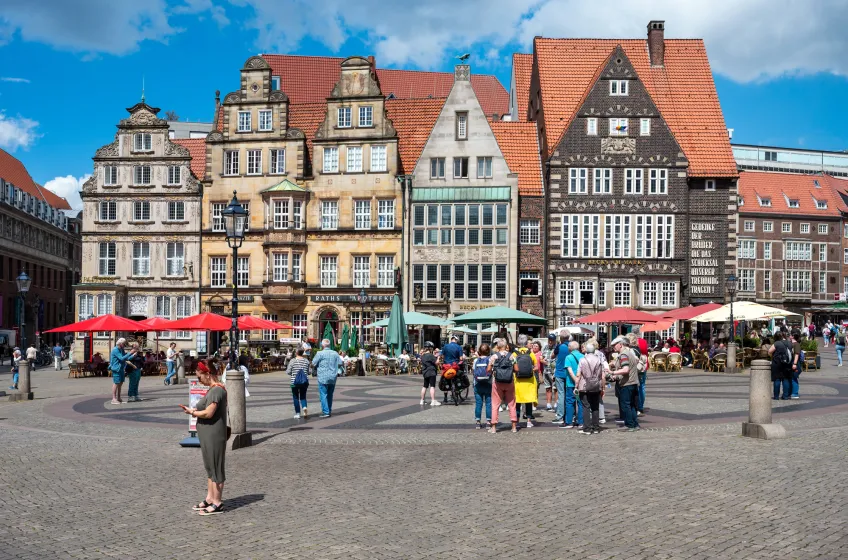
Bremen is worth visiting for its unique combination of medieval charm, maritime traditions, and a relaxed, welcoming atmosphere. Unlike bigger German cities, Bremen has a compact and walkable centre, perfect for leisurely exploration. Its history as a key member of the Hanseatic League is still evident in the grand architecture of the Marktplatz and the city’s close ties to the sea.
The city is also home to fun and quirky touches: fairy-tale references abound, from the iconic Bremen Town Musicians statue to the playful legends and stories told on guided tours. Beyond the centre, riverside promenades, breweries, and cultural spaces invite you to linger. With nearby Bremerhaven offering maritime museums and North Sea breezes, Bremen makes an ideal city break with plenty of variety.
Bremen Highlights: Things to See and Do in Bremen
Bremen Town Hall and Roland Statue
At the heart of the city stands the Bremen Town Hall, a UNESCO World Heritage Site and one of the finest examples of Weser Renaissance architecture. Its ornate façade is striking, and inside you can take guided tours to see the richly decorated halls. Just in front stands the Roland Statue, a symbol of civic freedom dating back to 1404. Together, they represent Bremen’s proud independence during the Hanseatic period.
Bremen Town Musicians
No trip to Bremen is complete without seeing the Town Musicians of Bremen statue, inspired by the Brothers Grimm fairy tale. Located near the town hall, it depicts a donkey, dog, cat, and rooster standing on one another’s backs. Visitors traditionally touch the donkey’s legs for good luck. The story is woven throughout the city, with playful references in shops, souvenirs, and artworks.
Schnoor Quarter
The Schnoor is Bremen’s oldest district, a warren of narrow, winding streets lined with colourful half-timbered houses, small shops, and cosy cafés. Once home to fishermen and craftsmen, today it’s a lively neighbourhood filled with boutiques, galleries, and restaurants. It’s particularly atmospheric in the evening when the lantern-lit alleys come alive with a warm glow.
Böttcherstraße
A short street near the Marktplatz, Böttcherstraße is a fascinating blend of expressionist architecture and art nouveau detail. Built in the 1920s by coffee magnate Ludwig Roselius, it houses museums, artisan shops, and the striking Haus des Glockenspiels, where a carillon of porcelain bells chimes several times a day. The street feels like an open-air museum in its own right.
Bremen Cathedral (St. Petri Dom)
Standing tall on the market square, St. Petri Dom is a magnificent Gothic cathedral with twin spires. Visitors can explore its interior, which features medieval crypts, colourful stained glass, and an atmospheric organ. Climbing one of the towers rewards you with panoramic views across Bremen’s rooftops and the River Weser.
Universum Bremen
For families and science enthusiasts, Universum Bremen is a futuristic science museum shaped like a silver whale. Interactive exhibits cover natural science, technology, and humanity, making it engaging for all ages. Its hands-on approach makes it one of Bremen’s most popular attractions beyond the historic centre.
Überseemuseum
The Überseemuseum offers fascinating insights into cultures from around the world, with displays on Africa, Asia, and the Americas alongside natural history exhibits. Its combination of ethnology, trade history, and exotic curiosities reflects Bremen’s global connections through centuries of seafaring.
Weser Promenade (Schlachte)
The Schlachte is Bremen’s riverside promenade along the Weser, perfect for strolling, dining, and enjoying the lively atmosphere. Lined with pubs, beer gardens, and restaurants, it’s a favourite spot for locals in summer. Historic ships moored along the river add to the maritime charm, and boat tours depart regularly from here.
Kunsthalle Bremen
Art lovers should not miss the Kunsthalle Bremen, an outstanding museum with works ranging from Old Masters like Rembrandt and Monet to modern art and contemporary exhibitions. It’s one of Germany’s most important regional galleries and showcases Bremen’s long-standing patronage of the arts.
Bremerhaven: Maritime Adventures
About 60 km from Bremen, Bremerhaven offers a different flavour of the region. Highlights include the German Emigration Center, tracing the stories of millions who left Europe for the New World, and the Klimahaus, an immersive journey through world climates. The Zoo am Meer and the bustling harbour also make it a worthwhile excursion.
Rhododendron Park
For a peaceful retreat, the Rhododendron Park in Bremen is one of the largest of its kind in the world. Best visited in spring when the rhododendrons bloom in vibrant colours, the park also includes a botanical garden with plants from across the globe.
Practical Advice for Visitors
Getting There
Bremen is easy to reach. Bremen Airport (BRE) is only 3.5 km from the city centre and is served by several low-cost airlines and European carriers. The tram line 6 connects the airport to the city centre in under 15 minutes.
By train, Bremen is well connected to Hamburg (1 hour), Hanover (1.5 hours), and Berlin (around 3 hours). Driving is also straightforward, with the A1 and A27 motorways linking Bremen to the wider region.
Parking
Parking in the old town is limited, but multi-storey car parks are available near the centre. Park-and-ride options on the outskirts allow you to leave your car and take a tram into the city. In busy areas like the Schnoor or Schlachte, it’s often easier to explore on foot.
Dining
Bremen’s cuisine reflects its Hanseatic heritage. Try Bremer Knipp, a hearty dish made from oats and pork, traditionally served with potatoes and pickles. Labskaus, a northern German speciality of corned beef, beetroot, and potatoes, is another must-try. Of course, the Bremen-style beer from Beck’s Brewery is world-famous, and you can visit the brewery for tours and tastings.
For traditional dining, head to Ratskeller Bremen, a historic cellar under the town hall offering local wines and dishes. The Schlachte is lined with riverside restaurants and beer gardens perfect for casual meals. The Schnoor quarter has several cosy cafés ideal for cake and coffee breaks.
Shopping
Bremen is a great city for both traditional souvenirs and modern shopping. The Marktplatz and Böttcherstraße offer artisan crafts and unique gifts, while the Schnoor is perfect for quirky boutiques and handmade items. Don’t miss Bremen’s Town Musicians figurines, available in many shops. For mainstream shopping, head to Obernstraße and Sögestraße, the city’s main pedestrian shopping streets.
When to Visit
Bremen can be visited year-round. Spring and summer bring outdoor festivals, riverside dining, and blooming parks. Autumn is quieter but still pleasant, with crisp weather and fewer crowds. Winter is a magical time, as Bremen’s Christmas market is one of the most beautiful in northern Germany, set against the backdrop of the town hall.
Local Events
-
Bremen Carnival (February): A colourful, multicultural parade with samba and vibrant costumes.
-
Bremen Six Day Cycling Race (January): An exciting indoor cycling event with live music and entertainment.
-
Bremen Freimarkt (October): One of Germany’s oldest folk festivals, dating back to 1035, with rides, food stalls, and lively celebrations.
-
Christmas Market (late November–December): A festive highlight, with the Marktplatz transformed into a winter wonderland.
Exploring Beyond Bremen
Bremen pairs well with excursions into the wider region. Hamburg is just an hour away by train and offers a larger port city experience. To the north, the North Sea coast and islands like Heligoland make for refreshing day trips. To the east, the Lüneburg Heath offers scenic landscapes, especially in late summer when the heather blooms.
For maritime history, Bremerhaven is the natural extension of a Bremen trip, with its museums and seaside atmosphere. If you prefer a quieter experience, head south into Lower Saxony’s countryside for peaceful villages, moorlands, and cycling trails.
Bremen may be small compared to Germany’s larger cities, but it is bursting with history, character, and charm. From fairy-tale legends and medieval streets to modern museums and riverside life, it offers a delightful blend of old and new, making it one of northern Germany’s most rewarding destinations.
Shortlist
- Your Shortlist is empty