
Discover Berlin | A Visitor's Introduction to Berlin
Recommended places to visit, places to stay and things to do in and around Berlin
Berlin is the dynamic capital of Germany and one of Europe’s most compelling cities. Known for its layered history, cutting-edge art scene, vibrant nightlife, and a mix of cultures from around the globe, Berlin is a destination like no other. From the iconic remnants of the Berlin Wall to world-class museums on Museum Island, and from leafy parks to buzzing street food markets, the city’s energy is infectious and its contrasts fascinating.
Berlin appeals to a wide range of visitors—history buffs, art lovers, music fans, political enthusiasts, and those simply looking to explore a city that never sits still. With a gritty charm and a rebellious spirit, Berlin is a place where the past meets the future, and creativity thrives in every corner.
Search: All Berlin Accommodation Hotels Bed & Breakfasts Apartments
Pre-book Berlin Attractions, Tours & Experiences
Why is Berlin Worth a Visit?
Berlin is worth visiting because it’s a city of stories, reinvention, and expression. Few places have experienced such dramatic historical change—from imperial capital to Nazi stronghold, from Cold War front line to reunified global city. Today, Berlin wears its past on its sleeve, with memorials, museums, and preserved ruins standing side by side with sleek modern buildings and thriving multicultural neighbourhoods.
The city’s vibe is relaxed, open, and distinctly unpretentious. Whether you’re standing at the Brandenburg Gate, dancing at a riverside club until sunrise, or sipping coffee in a leafy Kreuzberg café, you’ll feel Berlin’s unique pulse. It’s a place that welcomes everyone, embraces difference, and celebrates freedom in every form. Add to that its affordability compared to other European capitals, and Berlin becomes not just a city to see—but a city to experience.
Berlin Highlights: Things to See and Do in Berlin
Brandenburg Gate (Brandenburger Tor)
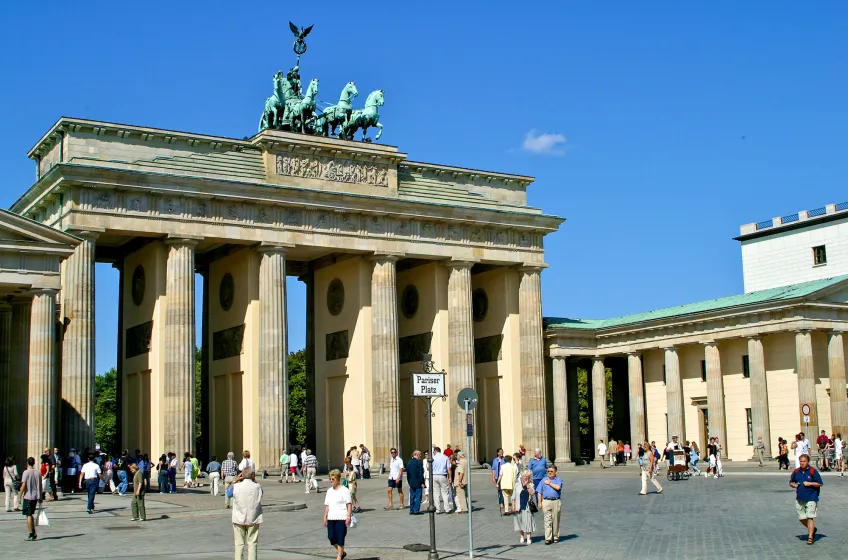
This neoclassical gate is Berlin’s most famous landmark and a powerful symbol of German unity. Once part of the Berlin Wall’s border, it now stands at the junction of East and West Berlin. Visit during the day for photos, and return at night when it’s beautifully illuminated. The nearby Pariser Platz and Unter den Linden boulevard offer great people-watching and historic architecture.
The Berlin Wall and East Side Gallery
The Berlin Wall divided the city from 1961 to 1989. While most of it has been removed, several sections remain. The East Side Gallery, the longest surviving stretch, has been transformed into a colourful outdoor gallery with murals by international artists. Don't miss the famous “Fraternal Kiss” artwork. The Berlin Wall Memorial on Bernauer Straße offers a more sombre and in-depth look at the wall’s history, complete with preserved watchtowers and exhibits.
Reichstag Building and Dome
Germany’s parliament building is a must-see. The historic Reichstag, famously set alight in 1933, was redesigned with a stunning glass dome by architect Norman Foster. Visitors can walk up the spiral ramp for panoramic views over Berlin. Entry is free, but advance registration is required, so be sure to book online before you go.
Museum Island (Museumsinsel)
Located on the River Spree, Museum Island is a UNESCO World Heritage Site housing five major museums. The highlights include the Pergamon Museum, with its monumental reconstructions of ancient architecture; the Neues Museum, home of the bust of Nefertiti; and the Altes Museum, showcasing classical antiquities. Even if you’re not a museum person, the island itself is architecturally stunning and well worth a walk.
Berlin Cathedral (Berliner Dom)
Standing just off Museum Island, Berlin Cathedral is the city’s largest church and a striking example of baroque architecture. Climb to the dome gallery for excellent views, or explore the crypt where many members of the Hohenzollern dynasty are buried. Concerts are held here regularly and the acoustics are superb.
Holocaust Memorial (Memorial to the Murdered Jews of Europe)
This haunting memorial near the Brandenburg Gate consists of 2,711 concrete slabs of varying heights, creating a maze-like field that invites reflection. Beneath the memorial, there’s a powerful information centre that details the Holocaust through personal stories, photographs, and letters. It’s one of Berlin’s most important and moving sites.
Tempelhofer Feld
Once one of Europe’s busiest airports, Tempelhof is now a massive public park where Berliners bike, skate, grill, and fly kites on the old runways. It’s a perfect place to understand Berlin’s quirky, community-focused spirit. Rent a bike or simply wander and watch locals enjoying the wide-open space.
Charlottenburg Palace (Schloss Charlottenburg)
For a glimpse into Prussian grandeur, head west to Charlottenburg Palace, Berlin’s largest and most elegant royal residence. The opulent rooms, baroque gardens, and lavish porcelain collections offer a very different feel from central Berlin’s gritty charm. It’s a lovely spot for a half-day escape from the urban bustle.
Berlin’s Neighbourhoods: Kreuzberg, Friedrichshain, Neukölln
To experience the real Berlin, venture into its lively neighbourhoods. Kreuzberg is edgy, diverse, and filled with street art, independent cafés, Turkish eateries, and vintage shops. Friedrichshain is young and energetic, known for the RAW-Gelände cultural complex and clubs like Berghain. Neukölln, once overlooked, is now a hub of creativity and global cuisine. Spend time here to soak in Berlin’s everyday life, away from the tourist trail.
Tiergarten Park
Berlin’s largest central park is perfect for walking, picnicking, or renting a bike. The Victory Column (Siegessäule) sits at its centre—climb it for 360° views. Tiergarten is a leafy escape and home to memorials, statues, and the Berlin Zoo, one of the oldest in the world.
Checkpoint Charlie
While often crowded and a bit touristy, Checkpoint Charlie—the former border crossing between East and West Berlin—is still worth a quick stop. The Wall Museum nearby offers fascinating insights into escape attempts and Cold War espionage, though some visitors find it pricey and disorganised. Still, it’s a key piece of Cold War history.
Potsdamer Platz
A symbol of Berlin’s post-reunification development, Potsdamer Platz is now home to skyscrapers, modern architecture, cinemas, shopping malls, and the striking Sony Center. The area is great for catching a film during the Berlinale International Film Festival in February or for some modern contrast to Berlin’s older quarters.
Spree River Cruises
For a different view of the city, take a Spree river cruise. You’ll pass under historic bridges, see the Reichstag, Museum Island, and admire Berlin’s mix of old and new from the water. Daytime and evening cruises are available, and many include commentary in English.
Practical Advice for Visitors
Getting There
Berlin Brandenburg Airport (BER) is the main international gateway, located about 30 minutes from the city centre by train. Direct trains (FEX, RE7, RB14) connect to Berlin Hauptbahnhof (central station) and other key stops like Alexanderplatz and Ostbahnhof.
From other German cities, Berlin is well-connected by Deutsche Bahn trains, including high-speed ICE services. Driving into Berlin is possible, but not always necessary, as the public transport system is extensive and efficient.
Public Transport
Berlin’s BVG network includes the U-Bahn (underground), S-Bahn (overground rail), trams (in the east), and buses. It’s well integrated and easy to use. A day ticket or Berlin WelcomeCard can save money if you plan to travel frequently. Don’t forget to validate your ticket before boarding.
Cycling is also hugely popular, with many bike lanes and rental services (e.g., Nextbike or Lime).
Parking
Driving in Berlin is manageable but parking can be expensive and limited in central areas. Most of the city falls within an environmental zone (Umweltzone), requiring a green emissions sticker on your car. Use park-and-ride services if you’re staying outside the centre, or choose accommodation with private parking.
Dining
Berlin’s food scene is diverse, casual, and affordable. Highlights include:
-
Currywurst: A Berlin classic—sausage with ketchup and curry powder. Try it at Curry 36 or Konnopke’s Imbiss.
-
Döner kebab: Reflecting the city's large Turkish population, Berlin is said to be the birthplace of the modern döner. Head to Mustafa’s Gemüse Kebap (prepare to queue).
-
Modern German: Trendy spots like Katz Orange, Nobelhart & Schmutzig, or Mrs. Robinson’s offer local ingredients with a twist.
-
Street food: Visit Markthalle Neun in Kreuzberg for artisanal eats and Thursday night street food events.
There’s also a strong vegan and vegetarian scene, with many plant-based cafés and restaurants.
Shopping
Berlin is great for independent boutiques, vintage fashion, and record shops. Head to Mitte for high-end and designer brands, Prenzlauer Berg for curated second-hand clothes, and Friedrichstraße for department stores like Galeries Lafayette.
The massive KaDeWe in Charlottenburg is Germany’s most famous department store, with an exceptional food hall on the top floor.
For markets, check out:
-
Mauerpark Flea Market (Sundays) – popular with locals and tourists alike
-
Turkish Market on Maybachufer – for textiles, spices, and snacks
-
Boxhagener Platz (Sundays) – vintage treasures and local art
When to Visit
Berlin is a year-round destination, but each season offers a different experience:
-
Spring (April–May): Parks bloom, café culture returns, and the city feels fresh.
-
Summer (June–August): Berlin comes alive with outdoor concerts, lakeside swimming, open-air cinemas, and long evenings. Beers in a Späti (late shop) park picnic are essential.
-
Autumn (September–October): Fewer tourists, golden trees, and the Festival of Lights, when monuments are lit up with projections.
-
Winter (November–February): Cold but magical, with festive Christmas markets, cosy pubs, and excellent museums to duck into when the weather turns.
Local Events
-
Berlinale (Berlin International Film Festival) – February
-
May Day Celebrations – Kreuzberg’s street parties on 1st May
-
Karneval der Kulturen – A multicultural street festival in early summer
-
Christopher Street Day (Pride Parade) – July
-
Festival of Lights – October
-
Christmas Markets – From late November across the city, including the Gendarmenmarkt and Charlottenburg Palace
Exploring Beyond Berlin
If time allows, great day trips or weekend escapes include:
-
Potsdam – Home to Sanssouci Palace and royal gardens, just 45 minutes by S-Bahn.
-
Spreewald – A UNESCO biosphere reserve of canals and forest, ideal for kayaking and cycling.
-
Leipzig – A rising cultural star with art galleries and music history, just 1 hour by train.
-
Dresden – Known for its baroque architecture and beautiful setting, 2 hours by train.
Berlin is not a city that shows itself all at once. It reveals its character gradually—through late-night conversations in smoky bars, through murals on crumbling walls, through stories whispered in museum halls. It's gritty, graceful, and utterly unforgettable. Whether it’s your first visit or your fifth, Berlin is a place where you don’t just see the sights—you feel them.
Shortlist
- Your Shortlist is empty