
Discover Bruchsal | A Visitor's Introduction to Bruchsal
Recommended places to visit, places to stay and things to do in and around Bruchsal
Bruchsal is a historic town in the Baden-Württemberg region of southwest Germany, nestled between the Rhine Valley and the foothills of the Black Forest. Best known for its magnificent baroque palace and a rich heritage tied to both secular and ecclesiastical rule, Bruchsal offers a unique mix of architectural splendour, cultural depth, and small-town charm. Ideal for history enthusiasts, architecture lovers, and those keen to explore lesser-known German gems, Bruchsal combines beautiful landscapes with fascinating stories from the past.
Recommended Bruchsal accommodation: Hotels Apartments
Pre-book Bruchsal Attractions, Tours & Experiences
Why is Bruchsal Worth a Visit?
Bruchsal is worth visiting for its extraordinary Baroque palace complex, vibrant cultural scene, and peaceful location in the heart of the Kraichgau region—often called the "Tuscany of Baden" for its rolling hills, vineyards, and mild climate. It stands apart from many German towns by blending ecclesiastical and aristocratic history, particularly as a former seat of prince-bishops.
The town has rebuilt itself beautifully since World War II, with key monuments restored to their former glory. Its laid-back atmosphere is perfect for a day trip or a relaxed weekend getaway. Whether you’re interested in exploring historical architecture, discovering regional wines, or enjoying peaceful walks in beautifully maintained parks, Bruchsal has something to offer.
Its relatively untouristy nature also means you can enjoy its treasures without large crowds, making it an ideal off-the-beaten-path destination in southern Germany.
Bruchsal Highlights: Things to See and Do in Bruchsal
Bruchsal Palace (Schloss Bruchsal)
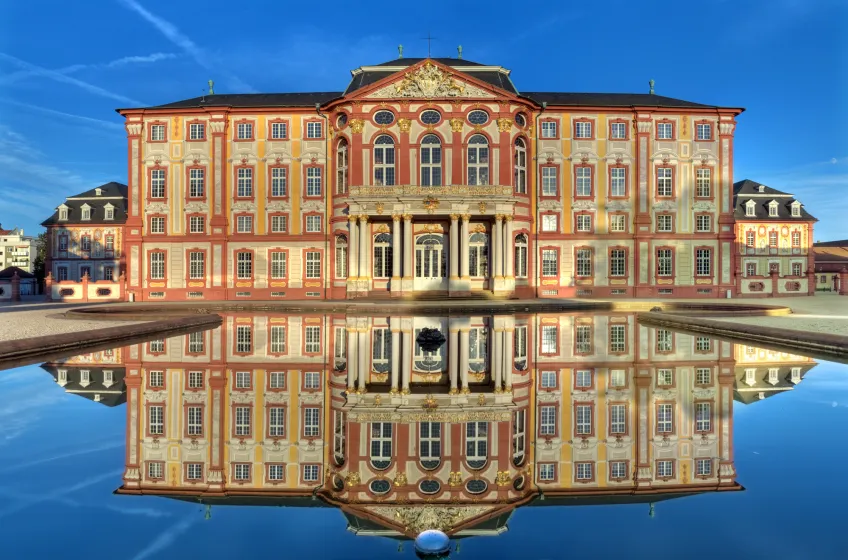
The crown jewel of the town, Bruchsal Palace is one of Germany’s most stunning Baroque complexes. Built in the 18th century as the residence of the Prince-Bishops of Speyer, it features an exquisite staircase designed by Balthasar Neumann—widely regarded as one of the most beautiful Baroque staircases in Europe. The palace’s interiors are richly decorated with stucco, frescos, and period furnishings.
Don't miss the Deutsches Musikautomaten-Museum (German Museum of Mechanical Musical Instruments) located inside the palace, which houses one of the world’s most significant collections of self-playing musical instruments, from delicate music boxes to elaborate orchestrions.
St. Peter’s Church (Peterskirche)
Located near the palace, this baroque church was also designed by Balthasar Neumann and serves as the final resting place of several prince-bishops. The interior is a masterclass in ecclesiastical Baroque style, with ornate altars, ceiling paintings, and marble columns that reflect the grandeur of its time.
Belvedere Pavilion
Situated on the Schlossberg, this charming Rococo-style pavilion was once used for courtly festivities. It offers fantastic views over Bruchsal and the surrounding countryside. It’s a pleasant walk uphill through well-kept gardens, and the pavilion often hosts concerts and weddings.
Bruchsal City Centre and Market Square
The compact town centre is ideal for a leisurely stroll. The market square is lively on market days (Wednesdays and Saturdays), where you’ll find local produce, flowers, and regional specialties. The neo-Gothic Stadtkirche (Town Church) and the striking Rathaus (Town Hall) reflect the mix of old and new architecture that characterises the rebuilt post-war city.
Damianstor
This 18th-century gate is one of the last remnants of the original city fortifications. It’s an atmospheric spot that offers a glimpse into Bruchsal’s historical defences. Today, it often houses small exhibitions or cultural events.
Deutsches Musikautomaten-Museum
While technically part of the palace, this museum deserves its own mention. The collection is both quirky and fascinating, featuring musical clocks, orchestrions, fairground organs, and jukeboxes from different eras. A must-see for music and engineering fans alike.
Schlossgarten (Palace Gardens)
A beautifully restored Baroque-style garden adjacent to the palace, this is the perfect place for a quiet walk, picnic, or some leisurely reading. The symmetrical layout and ornamental features reflect the formal garden designs of the 18th century, and seasonal blooms add colour throughout the year.
Schönborn Gymnasium and the Statue of Franz Christoph von Hutten
One of the oldest schools in the region, the Schönborn Gymnasium is tied closely to Bruchsal’s ecclesiastical history. Nearby, you’ll find a statue of Prince-Bishop Franz Christoph von Hutten, who was instrumental in developing Bruchsal into a princely residence town.
Bruchsal’s Vineyards and Wine Trails
The region surrounding Bruchsal is well-known for its viticulture. Numerous walking and cycling trails take you through scenic vineyards where you can enjoy views, stop at wine cellars (Weingüter), and sample local wines such as Riesling and Spätburgunder (Pinot Noir).
Bürgerpark and the “Das Korn” Cultural Centre
This local park is great for families or those wanting a casual stroll among locals. Adjacent to it is “Das Korn,” a former grain storage building converted into a cultural hub with theatres, galleries, and event spaces. It’s a great place to catch a concert, performance, or local art show.
Barocke Gartenterrasse and Grillplatz
Near the palace complex, this terraced area with barbecue pits and sitting spaces is a favourite local spot in summer. It’s a good place to unwind and soak up the view of the historic skyline with a picnic or a casual evening gathering.
Practical Advice for Visitors
Getting There
Bruchsal is well-connected by train, lying on the main railway line between Karlsruhe and Heidelberg. It’s only about 20 minutes by train from Karlsruhe and 40 minutes from Heidelberg, with frequent services throughout the day. From Frankfurt Airport, it takes around 1.5 hours by train, often with a change in Mannheim or Karlsruhe.
If you’re driving, Bruchsal is just off the A5 Autobahn (exit 42), making it very accessible from the north or south. The scenic drive through the Kraichgau region is especially pleasant in spring or autumn.
Parking
Bruchsal has ample parking for visitors, especially near the palace and town centre. The Parkhaus Schlossgarten is convenient for accessing most central attractions. Street parking is available but can be limited during market days. Most car parks use ticket machines, and short-stay parking is reasonably priced.
Dining
Bruchsal offers a good mix of traditional German fare and international cuisine. Try Gasthaus Wallhall for hearty Baden specialities like Sauerbraten and Maultaschen. For wine and tapas in a more modern setting, Weinbar Alte Post is a local favourite.
If you're after a café, Café Extrablatt on the market square is popular for breakfast and light lunches. Café Pavillon in the Schlossgarten is perfect for tea and cake in a quiet green setting. Don’t miss trying Käsekuchen (German cheesecake), often found in local bakeries.
Shopping
While Bruchsal isn’t a major shopping destination, it does offer a selection of independent boutiques and regional stores. The town centre has a number of fashion and gift shops, and the Stadtgalerie Bruchsal shopping mall houses larger chain stores. For souvenirs, look for local wines, ceramic crafts, and handcrafted music boxes or mechanical miniatures inspired by the Musikautomaten-Museum.
When to Visit
Spring (April to June) and early autumn (September to October) are ideal for visiting Bruchsal. The weather is mild, the vineyards are lush, and cultural events are in full swing. Summer is also pleasant but can be hotter and busier during school holidays.
Winter brings quieter streets and a charming, small Christmas market, but many outdoor attractions have limited accessibility or shorter opening hours.
Local Events
Bruchsal’s cultural calendar is lively despite its small size. Key events include:
-
Bruchsaler Schlossfestival (Summer): A series of concerts and open-air performances held in the palace courtyard.
-
Bruchsaler Fasnacht (Carnival Season): Colourful parades and parties mark the pre-Lenten celebration in February.
-
Stadtfest Bruchsal (July): A town-wide celebration with live music, food stalls, and community events.
-
Christmas Market (Late November to December): Small but festive, held around the palace and market square.
Exploring Beyond Bruchsal
Bruchsal serves as an excellent base for exploring the surrounding Baden-Württemberg countryside. Within 30–60 minutes, you can reach:
-
Heidelberg (40 mins): Famous for its romantic old town and castle ruins.
-
Karlsruhe (20 mins): A vibrant university city with a buzzing cultural scene and the impressive ZKM Media Centre.
-
Speyer (30 mins): Home to a UNESCO-listed cathedral and excellent technical museum.
-
Maulbronn Monastery (45 mins): A remarkably preserved medieval monastery complex and UNESCO World Heritage Site.
-
Kraichgau Region: Dotted with picturesque villages, vineyards, and castles—perfect for wine-tasting or scenic drives.
Final Thoughts
Bruchsal may not be on every traveller’s radar, but that’s exactly what makes it so appealing. Rich in history, full of architectural beauty, and surrounded by a picturesque wine country landscape, this peaceful town offers an authentic slice of southwestern German life. Whether you’re wandering through palace halls, listening to mechanical music machines, or enjoying a glass of Riesling with vineyard views, Bruchsal delivers a surprisingly memorable experience without the tourist crowds.
Shortlist
- Your Shortlist is empty