
Discover East Germany | A Visitor's Introduction to East Germany
Recommended places to visit, places to stay and things to do throughout East Germany
East Germany, comprising the federal states of Berlin, Brandenburg, Mecklenburg-Vorpommern, Saxony, Saxony-Anhalt and Thuringia, offers a fascinating blend of rich history, cultural diversity, and breathtaking natural beauty. Once forming the territory of the former German Democratic Republic (GDR), this region is a treasure trove of medieval towns, baroque architecture, forested mountain ranges, Baltic coastlines and poignant Cold War history. Whether you're interested in discovering world-class museums, relaxing by a serene lake, walking through fairytale castles or exploring vibrant street art, East Germany is a destination that caters to curious travellers of all kinds.
Why is East Germany Worth a Visit?
East Germany is worth visiting for its unique historical narrative, distinct cultural identity, and under-the-radar charm. Decades of life under socialism shaped a different path from its western counterpart, and that legacy still lingers today – from preserved GDR architecture and memorials to a thriving subculture that’s embraced creativity and resilience. The cities here, particularly Berlin and Leipzig, are known for their cutting-edge arts scenes and grassroots innovation, while rural regions like the Harz Mountains or the lakes of Mecklenburg offer an escape into nature and timeless German traditions.
Unlike more frequently visited areas of western Germany, East Germany remains less commercialised, allowing for more authentic and affordable experiences. The people are proud of their heritage, and while the scars of division are still visible, so too is a strong sense of identity and rebirth. Whether you want to follow the trail of Martin Luther, soak in UNESCO-listed towns, or simply wander through unspoiled countryside, East Germany invites deeper exploration than a single city break.
East German Highlights: Things to See and Do in East Germany
Berlin – The Capital of Contrasts
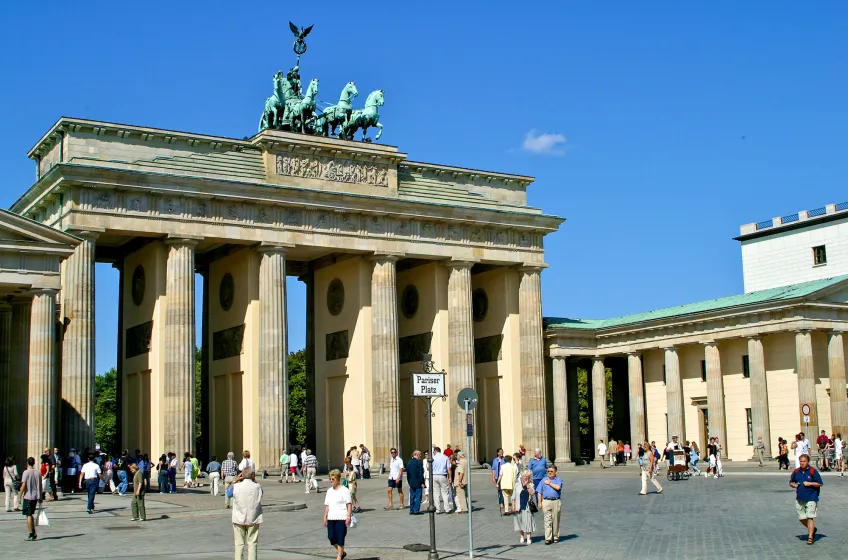
No visit to East Germany is complete without time spent in Berlin. This city tells the story of a divided nation more powerfully than any museum could. Explore the Berlin Wall Memorial on Bernauer Straße, check out the East Side Gallery’s colourful murals, and visit the haunting Stasi Museum in Lichtenberg. For a more uplifting side of Berlin, wander through the street art of Friedrichshain, enjoy world-class art at Museum Island, or relax in the vast Tiergarten park. Berlin is also famous for its nightlife, from underground clubs to open-air raves in summer.
Potsdam – Palaces and Prussian Grandeur
Located just southwest of Berlin in Brandenburg, Potsdam is a UNESCO World Heritage Site known for its majestic palaces and parks. Sanssouci Palace, often dubbed the "German Versailles", is the star attraction with its terraced gardens and rococo interiors. The New Palace, Cecilienhof (where the Potsdam Conference took place), and the Dutch Quarter add further layers of historical intrigue. Potsdam is an easy day trip from Berlin and offers a more tranquil and regal atmosphere.
Leipzig – The New Cultural Capital
Leipzig in Saxony is fast becoming Germany's coolest city. Once the hub of the Peaceful Revolution that helped end the GDR, it now thrives as a centre for music, art, and alternative culture. Visit the St. Thomas Church where Johann Sebastian Bach worked, explore the Spinnerei – a former cotton mill turned contemporary art complex – and enjoy the bohemian vibe of the Plagwitz district. Leipzig’s buzzing cafés, cheap rents, and DIY spirit make it a favourite among creatives.
Dresden – The Jewel on the Elbe
Dresden’s Altstadt (Old Town) is a stunning ensemble of baroque architecture that rises dramatically from the banks of the River Elbe. Reconstructed after being heavily bombed in WWII, Dresden highlights include the Frauenkirche, the Zwinger Palace, and the Semper Opera House. The Neustadt across the river is home to edgy bars, independent shops, and colourful murals. Dresden’s Christmas market is one of Germany’s oldest and most atmospheric.
Weimar – Birthplace of German Culture
This small Thuringian town has played an outsized role in German history. Weimar was home to cultural giants such as Goethe, Schiller, and Liszt, and is also the cradle of the Bauhaus movement. The Bauhaus Museum and the former residences of Goethe and Schiller offer deep insights into this artistic and philosophical legacy. Somber but essential is the nearby Buchenwald concentration camp memorial. Weimar combines intellectual heritage with small-town charm.
The Harz Mountains – Nature and Folklore
Stretching across Saxony-Anhalt and Lower Saxony, the Harz Mountains are perfect for hiking, skiing, and fairytale escapes. Visit the medieval town of Quedlinburg, with over 1,300 timber-framed buildings and cobbled lanes, or ride the narrow-gauge steam trains that wind through the forests. The Brocken, the highest peak, is steeped in witchcraft legends and offers stunning panoramic views.
Rügen Island – Baltic Beauty
Rügen, in Mecklenburg-Vorpommern, is Germany’s largest island and a coastal gem with white chalk cliffs, sandy beaches, and spa resorts. The Jasmund National Park, with its famous Königsstuhl (King’s Chair) viewpoint, is a highlight for nature lovers. The seaside resort of Binz offers elegant 19th-century architecture and a relaxed holiday vibe, while the Rasender Roland steam train adds nostalgic charm.
Schwerin – City of Seven Lakes
Schwerin, the capital of Mecklenburg-Vorpommern, is one of Germany’s most picturesque small cities. Its main attraction is Schwerin Castle, set on an island in a lake and often likened to a real-life Disney castle. The Old Town and lakeside promenades make for a romantic setting, and the surrounding nature offers kayaking, cycling, and boat trips.
Wittenberg – Martin Luther’s Town
Lutherstadt Wittenberg in Saxony-Anhalt is the cradle of the Protestant Reformation. It was here in 1517 that Martin Luther is said to have nailed his 95 Theses to the door of the Castle Church. The Lutherhaus museum and the church itself are must-visits for anyone interested in religious or European history. The town’s compact size makes it easy to explore on foot.
Erfurt – Medieval Meets Modern
Erfurt, Thuringia’s capital, boasts a beautifully preserved medieval centre. Its standout feature is the Krämerbrücke, a bridge lined with half-timbered houses and shops. The Erfurt Cathedral and Augustinian Monastery, where Luther studied, provide historical depth. The city has a youthful energy thanks to its large student population, with a vibrant café and nightlife scene.
Bautzen – Sorbian Heritage and Tower Town
Bautzen in Saxony is known for its striking skyline of towers and its unique Sorbian minority culture. The town offers a rare glimpse into this Slavic-German heritage, with bilingual signs and Sorbian traditions still alive. The old town is compact but packed with charm, and the surrounding countryside is ideal for hiking.
Görlitz – Germany’s Best-Preserved Town
Often used as a filming location (think The Grand Budapest Hotel), Görlitz is a border town with Poland and one of Germany’s most architecturally complete cities. Walking through its streets is like stepping back in time, with styles ranging from Gothic to Renaissance and Art Nouveau. The Neisse river splits the town in two, with a pedestrian bridge leading into Polish Zgorzelec.
Spreewald – Waterways and Pickles
About an hour southeast of Berlin lies the Spreewald, a biosphere reserve famous for its network of canals and lush forest. Explore by kayak, punt, or bike, and sample the region’s famed Spreewald gherkins. The town of Lübbenau is a good base for exploration and offers traditional wooden houses and local food experiences.
Halle – Science and Salt
Halle in Saxony-Anhalt is often overlooked but has much to offer. It’s the birthplace of composer Handel and home to a respected art school and university. The historic centre features castles, cathedrals, and a thriving cultural scene. The Halloren Saltworks, Germany’s oldest, offers a quirky insight into the region’s history.
Practical Advice for Visitors
Getting There
Berlin is the main gateway into East Germany, with excellent international connections via Berlin Brandenburg Airport. From Berlin, fast and frequent train services (ICE, IC, and regional trains) make it easy to reach other cities like Leipzig, Dresden, and Erfurt in under two hours. Domestic flights are available to Leipzig-Halle and Dresden airports, though the train is often more convenient and scenic.
If driving, Germany’s excellent autobahn network makes car travel straightforward, especially for exploring rural areas like the Spreewald, Harz Mountains, or Mecklenburg lakes. Buses (e.g. FlixBus) offer budget-friendly intercity options.
Parking
In major cities, parking can be limited in central zones, but multi-storey car parks and Park+Ride schemes are widely available. Smaller towns generally have better parking access. Always check whether a town has an Umweltzone (low-emission zone), which may require a green sticker on your windscreen.
Dining
East Germany offers a hearty and affordable culinary experience. Try traditional dishes like Sauerbraten (marinated beef), Soljanka (a spicy soup popular in GDR times), Quarkkeulchen (potato-curd pancakes), or Rote Grütze (a red berry dessert). Street food like currywurst or Döner kebab is widely available, especially in Berlin.
Berlin and Leipzig have a thriving café culture and international food scenes, from Korean BBQ to vegan bakeries. Don’t miss the bakeries and butchers in smaller towns, which often offer regional specialities at excellent prices.
Shopping
Berlin is a shopper’s paradise, from the luxury boutiques of Kurfürstendamm to quirky independent stores in Kreuzberg. Leipzig’s Spinnerei and Dresden’s Neustadt have excellent arts and crafts shops. For something more traditional, visit the Christmas markets for wood carvings from the Ore Mountains (Erzgebirge) or handcrafted ceramics from Thuringia.
Antique hunters should check out flea markets in Berlin or Dresden, while fans of GDR nostalgia can find retro souvenirs in second-hand shops and museums.
When to Visit
Spring (April to June) and autumn (September to October) are ideal times to visit East Germany, with mild weather and fewer crowds. Summer is lovely, especially along the Baltic coast and lakes, though popular spots can get busy. Winters are cold, but the Christmas markets and snowy landscapes – especially in the Harz – make it a magical season.
Local Events
Key annual events include:
-
Dresden Striezelmarkt (late November to Christmas) – One of Germany’s oldest Christmas markets.
-
Leipzig Wave-Gotik-Treffen (May/June) – The world’s largest gothic music and fashion festival.
-
Berlin International Film Festival (Berlinale) (February) – A global film showcase.
-
Weimar Onion Market (October) – A fun mix of food, crafts, and music.
-
Bauhaus Fest in Dessau – Celebrating the iconic design movement with performances and exhibits.
Exploring Beyond East Germany
If you’ve got more time, consider crossing into neighbouring Poland via Görlitz, or heading south into the Czech Republic from Dresden to explore Prague or the Bohemian Switzerland National Park. Western Germany is also within easy reach, with Hamburg, Frankfurt and Munich connected by high-speed trains.
For more nature, visit the Saxon Switzerland National Park, just 45 minutes from Dresden, with dramatic sandstone cliffs and hiking trails. Or head to the Müritz National Park in Mecklenburg for birdwatching, boating, and lake views.
East Germany remains one of Europe’s most compelling yet underrated travel destinations. With its mix of raw history, stunning architecture, natural beauty, and creative spirit, it promises memorable adventures for every kind of traveller. Whether you're tracing the wall in Berlin or paddling through the Spreewald, you'll find that the old East has a lot to say – and even more to show.
Shortlist
- Your Shortlist is empty