
Discover Appenzell Canton | A Visitor's Introduction to Appenzell Canton
Recommended places to visit, places to stay and things to do in and around Appenzell Canton
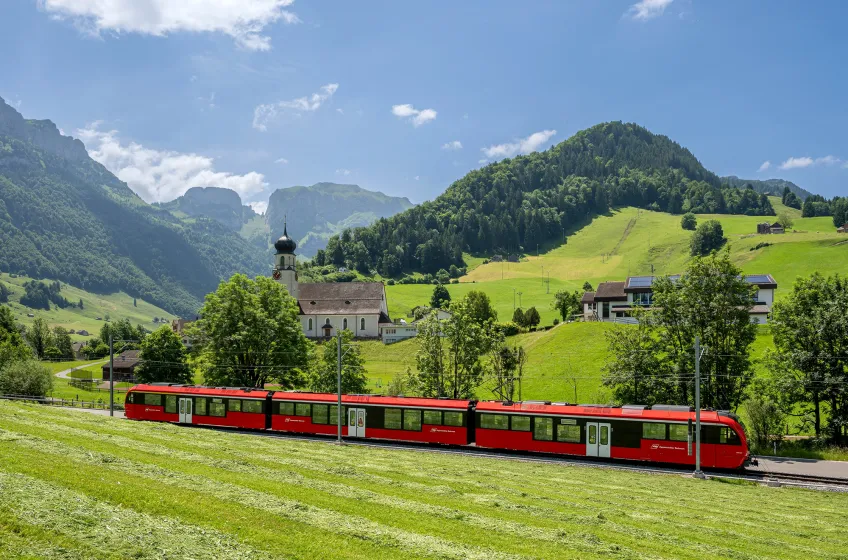
Appenzell is a distinctive region in north-eastern Switzerland divided into the two cantons of Appenzell Innerrhoden and Appenzell Ausserrhoden. Known for its rolling green hills, colourful villages, traditional customs, strong dairy culture and the rugged Alpstein mountains, this compact area is a perfect destination for walkers, food lovers and travellers interested in rural Swiss life. With car-free mountain trails, historic spa villages and easy access from St Gallen, Appenzell offers one of Switzerland’s most characterful countryside escapes.
Recommended Appenzell Canton hotels and other accommodation
Pre-book Appenzell Canton Attractions, Tours & Experiences
Why is Appenzell Canton Worth a Visit?
Appenzell is worth visiting because it combines gentle farming landscapes with surprisingly dramatic mountain scenery. Around Herisau, Trogen and Heiden, rounded hills are scattered with farmhouses and small settlements. Farther south, the limestone peaks of the Alpstein rise sharply above valleys, mountain lakes and high pastures.
The region also preserves traditions that remain part of everyday life rather than existing solely for visitors. Folk music, embroidery, painted houses, cattle processions and traditional clothing are still visible during local celebrations. Appenzell Innerrhoden continues to hold its annual open-air Landsgemeinde, while both cantons maintain strong local identities.
Food is another major attraction. Appenzeller cheese is the best-known product, but the region is also associated with dried meat, herbal drinks, beer, baked goods and substantial mountain dishes.
The area is easy to explore without a car. Narrow-gauge trains connect many villages, while buses and cable cars provide access to the Alpstein, Säntis, Kronberg and Hoher Kasten.
Appenzell Highlights: Things to See and Do in Appenzell Canton
Explore Appenzell Town
Appenzell town is the capital of Appenzell Innerrhoden and the region’s most popular historic settlement.
Its centre is known for brightly painted façades, ornate shop signs and narrow streets lined with bakeries, cheese shops and traditional inns. Hauptgasse is the principal route through town and contains many of the most decorative buildings.
The town is compact and can be explored in half a day, although its museums, restaurants and nearby walking routes justify a longer stay.
Early morning is the best time to appreciate the centre before excursion groups arrive.
Visit Landsgemeindeplatz
Landsgemeindeplatz lies at the heart of Appenzell town and remains central to the canton’s political life.
Eligible citizens gather here once a year to vote openly on laws and public appointments. Decisions are traditionally made by raising hands or voting cards.
Visitors may observe from designated areas, but the assembly is a genuine democratic event rather than a performance. Respect local instructions and avoid obstructing participants.
At other times, the square is a quiet open space surrounded by traditional buildings.
Visit the Appenzell Museum
The Appenzell Museum provides a useful introduction to local customs, crafts and political history.
Displays cover embroidery, painted furniture, religious life, agriculture, traditional dress and the Landsgemeinde. The collections help explain why Appenzell has retained such a strong regional identity.
The museum stands in the historic centre and combines easily with the parish church and Hauptgasse.
Explore Herisau
Herisau is the largest town in Appenzell Ausserrhoden and one of the region’s main transport and commercial centres.
Its historic core contains substantial houses, a parish church and streets reflecting the wealth once generated by the textile industry. The atmosphere is less tourist-oriented than Appenzell town and provides a better impression of everyday regional life.
Herisau also makes a practical base for excursions towards St Gallen, the Alpstein and western Appenzellerland.
Visit Trogen
Trogen is a handsome village in Appenzell Ausserrhoden, known for its grand stone houses and elevated setting.
The village square is surrounded by buildings constructed by wealthy textile-trading families. Their scale and architectural confidence distinguish Trogen from the smaller farming settlements nearby.
Trogen also has cultural associations with humanitarian work and education. Its hillside location provides views across eastern Switzerland.
Explore Heiden
Heiden stands above Lake Constance and developed as a health and spa resort during the 19th century.
Much of the village was rebuilt in a regular Biedermeier style after a major fire, giving the centre an unusually orderly appearance. Parks, historic buildings and views towards the lake create a refined atmosphere.
Heiden is associated with Henry Dunant, founder of the Red Cross, who spent his final years there. A museum explores his life and humanitarian work.
Visit Stein and the Appenzeller Show Dairy
Stein is a rural village between Appenzell and St Gallen, best known for the Appenzeller Show Dairy.
Visitors can learn how Appenzeller cheese is produced and matured, with viewing areas overlooking parts of the working dairy. Displays explain the use of the secret herbal brine that helps give the cheese its distinctive flavour.
The shop offers several strengths and ages of cheese, while the restaurant serves regional dishes.
Ride to Ebenalp
Ebenalp is one of the most accessible mountain destinations in the Alpstein.
A cable car climbs from Wasserauen to a high plateau with views over the surrounding peaks and valleys. From the upper station, paths lead towards Wildkirchli, Aescher mountain inn and longer routes through the Alpstein.
Weather conditions can change rapidly, so carry warm clothing even during summer.
Visit Wildkirchli
Wildkirchli consists of caves, a chapel and historic hermitage sites below Ebenalp.
Archaeological discoveries indicate prehistoric human and animal activity in the caves. Later, hermits used the area as a place of religious retreat.
The walking route passes through rock tunnels and exposed sections. It is well maintained but can be slippery and may be uncomfortable for visitors nervous about heights.
See Berggasthaus Aescher
Berggasthaus Aescher is built directly beneath an overhanging cliff near Wildkirchli.
Its dramatic position has made it one of Switzerland’s most photographed mountain inns. The building is reached on foot from Ebenalp or by a more demanding ascent from the valley.
It becomes extremely busy during fine summer weather. Visiting early or later in the afternoon usually provides a calmer experience.
Opening is seasonal and weather-dependent.
Walk to Seealpsee
Seealpsee is a clear Alpine lake surrounded by meadows and steep mountain slopes.
The most direct route begins at Wasserauen and follows a steep paved track. Other paths approach the lake through more demanding terrain.
Mountain inns provide meals and refreshments during the main season. Calm mornings offer the best chance of seeing reflections on the water.
The climb is substantial despite the smooth surface, so allow enough time and carry water.
Ascend Hoher Kasten
Hoher Kasten rises above Brülisau and provides panoramic views across the Rhine Valley, Lake Constance and the Alpstein.
A cable car reaches the summit, where visitors find viewing terraces, a restaurant and an Alpine garden. Short walks are available near the upper station.
Longer ridge routes begin from the summit but can be narrow and exposed. Check weather and trail conditions before leaving the main visitor area.
Visit Säntis
Säntis is the highest mountain in the Alpstein and one of eastern Switzerland’s most prominent viewpoints.
A cable car climbs from Schwägalp to the summit. On clear days, the panorama extends across several countries and a large section of the Swiss Alps.
The summit complex includes viewing platforms, exhibitions and restaurants. Strong wind, fog and snow are possible throughout the year.
Schwägalp itself has walking routes, moorland scenery and visitor facilities.
Ride Up Kronberg
Kronberg is a gentler mountain destination above Jakobsbad.
A cable car reaches the summit, where easy paths provide views towards Säntis, the Alpstein and the rolling Appenzell countryside. The mountain is particularly suitable for families and visitors who prefer less exposed terrain.
The lower station may offer leisure attractions and family activities. Winter options can include sledging and walking when snow conditions allow.
Explore Gonten and Jakobsbad
Gonten and Jakobsbad lie west of Appenzell town in a landscape of meadows, low hills and scattered farms.
The area is popular for gentle walking, cross-country skiing and excursions to Kronberg. Its quieter atmosphere makes it a good alternative to the more heavily visited Wasserauen valley.
Rail services connect both villages with Appenzell and Gossau.
Walk the Appenzellerland Trails
Appenzellerland has an extensive network of walking routes connecting villages, farms, inns and viewpoints.
Lower-level paths around Teufen, Speicher, Trogen and Gais cross rolling countryside and are generally less demanding than the Alpstein trails. These routes are especially attractive in spring and autumn.
Traditional inns along the way offer cheese dishes, sausages and local drinks. Check opening days before relying on a particular restaurant.
Visit Gais
Gais is a traditional village positioned between Appenzell and the Rhine Valley.
Its central square is surrounded by wooden houses and historic inns. The village has long associations with whey cures and rural tourism.
Gais provides access to gentle walking routes and makes a useful stop on rail journeys through Appenzellerland.
Explore Urnäsch
Urnäsch lies west of the Alpstein near the road towards Schwägalp and Säntis.
The village is known for its strong folk traditions and the Museum of Appenzell Customs. Displays cover cattle farming, traditional clothing, music and seasonal celebrations.
Urnäsch is also associated with the Silvesterchlausen tradition, when elaborately dressed groups visit farms and homes around the New Year period.
See Appenzell’s Traditional Cattle Processions
Seasonal cattle movements are among the region’s most colourful traditions.
During the Alpine ascent and descent, herders may wear traditional clothing while decorated cattle move through villages towards or from the high pastures. Musicians, goats and farming families can form part of the procession.
These are working agricultural events, and dates depend on weather and farming conditions. Keep roads clear and observe from a respectful distance.
Practical Advice for Visitors
Getting There
Appenzellerland is most easily reached through St Gallen or Gossau.
Regional narrow-gauge trains connect St Gallen with Trogen and Appenzell, while services from Gossau run through Herisau towards Appenzell and Wasserauen.
From Zurich, journeys to Appenzell town generally take around one hour and 45 minutes to two hours. Herisau can usually be reached more quickly.
Zurich Airport is the nearest major international gateway. Rail travel is straightforward, normally requiring one or two changes.
Choosing Where to Stay
Appenzell town is the best base for traditional architecture, museums, restaurants and access to Innerrhoden.
Herisau offers practical transport connections and a broader range of everyday services.
Heiden suits visitors interested in Lake Constance views, spa heritage and quieter surroundings.
Wasserauen is ideal for early access to Ebenalp and Seealpsee, although evening facilities are limited.
Urnäsch and Schwägalp are useful for Säntis, folk traditions and walking.
Getting Around
Regional trains are the backbone of transport throughout Appenzellerland.
Buses connect villages not served by rail, including Brülisau and Schwägalp. Services are reliable but may be less frequent during evenings and Sundays.
Cable cars operate on seasonal schedules and can close for maintenance or strong winds.
Many hotels and guesthouses provide local visitor cards that may include regional transport or attraction discounts. Conditions vary between properties and length of stay.
Driving and Parking
A car is useful for remote villages but unnecessary for most major destinations.
Parking is available around Appenzell, Herisau and mountain cable-car stations. Wasserauen and Brülisau can fill early on sunny weekends.
Historic centres have narrow streets and limited spaces, so use designated car parks rather than attempting to stop beside attractions.
Winter driving may require suitable tyres and additional equipment.
Hiking Safety
The countryside around the villages is generally gentle, but the Alpstein contains steep and exposed terrain.
Do not judge a trail solely by its altitude or distance. Narrow ridges, wet grass and sudden fog can make routes hazardous.
Carry water, waterproof clothing, sun protection and a warm layer. Sturdy footwear is essential for mountain paths.
Check official trail information and cable-car closing times before setting out.
Dining
Appenzeller cooking is based on dairy products, potatoes, meat and simple mountain ingredients.
Try Chäshörnli, a pasta and cheese dish commonly served with fried onions and apple sauce. Rösti, sausages, cheese fondue and substantial soups are also widespread.
Mountain inns usually offer a limited menu of filling dishes. Appenzell town and Herisau provide the broadest restaurant selection.
Kitchens in rural areas may close earlier than visitors expect, particularly outside the main season.
Appenzeller Cheese
Appenzeller cheese is produced in several strengths, from mild versions to strongly flavoured, longer-aged varieties.
The wheels are treated with a herbal brine whose complete recipe is kept secret. The cheese can be eaten on its own or used in fondue, sauces and baked dishes.
Specialist shops often allow visitors to compare different ages. Keep vacuum-packed cheese cool when travelling.
Local Drinks
The region produces herbal bitters, fruit spirits, beer and alcohol-free soft drinks.
Appenzeller Alpenbitter is made using a secret mixture of herbs and spices. It has a strong, aromatic flavour and is normally served in small quantities.
Local breweries also produce several beer styles. Shops in Appenzell and larger villages carry the widest range.
Shopping
Typical purchases include Appenzeller cheese, dried meat, herbal products, embroidery and carved wooden items.
Appenzell town has the largest concentration of traditional shops. Herisau provides more everyday retail options.
Farm shops and self-service kiosks sell cheese, eggs, honey and preserves. Carrying some Swiss francs is useful at unmanned outlets.
Most ordinary shops close on Sundays.
When to Visit
May and June bring green hills, flowers and good conditions for lower-level walking. Snow may remain on high Alpstein routes.
July and August offer the fullest cable-car and mountain-inn schedules but also attract the largest crowds.
September is especially rewarding for hiking, clear views and cattle descents.
October brings autumn colour, though some mountain facilities begin closing.
December to March suits winter walking, cross-country skiing and seasonal traditions. Snow at lower levels is not guaranteed.
Local Events
The Landsgemeinde in Appenzell Innerrhoden is held during spring and is the region’s most distinctive political event.
Silvesterchlausen takes place in parts of Appenzell Ausserrhoden around the New Year period. Groups wearing elaborate costumes, bells and decorative headpieces move between farms and villages.
Cattle ascents and descents occur during late spring and autumn, depending on farming conditions.
Folk music, yodelling, wrestling and village festivals take place throughout the warmer months.
Exploring Beyond Appenzell Canton
St Gallen is the easiest city excursion, with its UNESCO-listed Abbey District, historic library and attractive old centre.
Lake Constance offers cycling, boat journeys and waterfront towns such as Rorschach.
The Rhine Valley provides access to Werdenberg, Vaduz and Liechtenstein.
Toggenburg lies west of Säntis and offers further walking, mountain villages and traditional culture.
Vorarlberg in Austria is within easy reach for visits to Feldkirch, Bregenz and the eastern Alps.
Shortlist
- Your Shortlist is empty