
Discover Obwalden | A Visitor's Introduction to Obwalden
Recommended places to visit, places to stay and things to do in and around Obwalden
Obwalden is a compact canton in central Switzerland, stretching from the shores of Lake Lucerne to the high Alpine landscapes around Engelberg and the Titlis massif. Known for its lakes, mountain railways, traditional villages and easy access to outdoor activities, this scenic region is a perfect destination for walkers, families, winter-sports enthusiasts and travellers exploring central Switzerland by public transport. With its blend of lakeside scenery, pilgrimage heritage and dramatic mountain terrain, Obwalden offers a quieter alternative to some of Switzerland’s busier resort regions.
Recommended Obwalden hotels and other accommodation
Pre-book Obwalden Attractions, Tours & Experiences
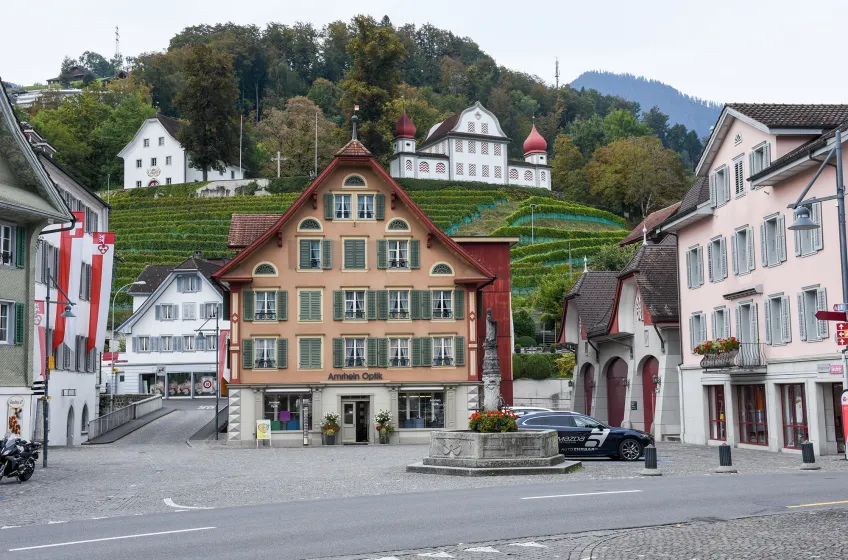
Why is Obwalden Worth a Visit?
Obwalden is worth visiting because it combines several classic Swiss landscapes within a relatively small area. Around Sarnen and Sachseln, gentle hills descend towards clear lakes and farming villages. Farther south, the terrain rises sharply through narrow valleys towards Engelberg, glaciers and high mountain peaks.
The canton is especially easy to explore without a car. The Zentralbahn railway connects Lucerne with Sarnen, Giswil and Engelberg, while local buses, boats and cable cars provide access to smaller communities and mountain attractions.
Obwalden also has a strong cultural identity. Traditional wooden houses, local festivals and pilgrimage sites remain important, while the region’s long association with farming can be seen in its cheese, rural architecture and mountain pastures.
Visitors can use Obwalden for a relaxed lakeside stay, an active mountain holiday or a base for day trips into nearby Lucerne, Nidwalden and the Bernese Oberland.
Obwalden Highlights: Things to See and Do in Obwalden
Explore Sarnen
Sarnen is the capital of Obwalden and a practical base for exploring the canton.
The small centre contains traditional buildings, cafés, shops and public offices. Its scale is modest, but the surrounding mountain scenery and nearby lake give it an attractive setting.
Sarnen is also home to cultural collections connected with the canton’s history, politics and traditions. These displays are useful for understanding Obwalden beyond its better-known mountain resorts.
The railway station provides easy connections towards Lucerne, Giswil and Engelberg.
Relax Beside Lake Sarnen
Lake Sarnen lies between Sarnen, Sachseln and Giswil and is one of the canton’s defining natural features.
Its calm water is used for swimming, paddleboarding, rowing and fishing during warmer months. Lakeside paths and quiet roads provide opportunities for walking and cycling.
The lake is less developed than some of Switzerland’s most famous resort lakes, giving it a more local and peaceful atmosphere.
Public access varies around the shoreline, so use designated bathing areas and marked paths rather than crossing private land.
Visit Sachseln
Sachseln is a lakeside village best known for its association with Nicholas of Flüe, also called Brother Klaus, Switzerland’s national patron saint.
The parish church contains his tomb and remains an important pilgrimage destination. The surrounding village has traditional houses, quiet streets and views across Lake Sarnen.
Sachseln is easily reached by train and works well as a half-day excursion from Sarnen or Lucerne.
Discover Flüeli-Ranft
Flüeli-Ranft lies above Sachseln and is closely connected with the life of Brother Klaus.
Visitors can see his birthplace, family home and the simple hermitage where he spent many years in seclusion. The Ranft gorge below contains chapels and a peaceful riverside setting.
The landscape is as important as the historic buildings. Meadows, wooden farmhouses and distant mountain views create a strong sense of rural central Switzerland.
The paths into the gorge are steep in places, so wear suitable footwear.
Visit Engelberg
Engelberg is Obwalden’s best-known mountain resort and lies in a broad valley beneath the Titlis massif.
The village developed around its Benedictine monastery and later became an important centre for skiing, hiking and mountaineering. Traditional buildings sit alongside hotels, sports shops and modern resort facilities.
Engelberg is busy during winter and summer but remains attractive for a day trip or longer stay. Its railway connection with Lucerne makes it one of Switzerland’s more accessible mountain resorts without a car.
Engelberg Abbey
Engelberg Abbey has shaped the village for centuries and remains an active Benedictine monastery.
The complex includes a large Baroque church, monastic buildings, cultural collections and spaces connected with education and cheese production.
The church interior is richly decorated and forms a strong contrast with the surrounding Alpine landscape. Services and concerts add to its continuing religious and musical role.
Visitors should remain quiet and respect areas reserved for the monastic community.
Ride to Mount Titlis
Mount Titlis is Engelberg’s most famous attraction. A sequence of cable cars climbs from the valley towards high Alpine scenery, snowfields and glacier terrain.
The upper station provides views across central Switzerland and towards distant peaks. Attractions may include a rotating cable car, glacier cave, suspension bridge and access to snow activities, depending on weather and current conditions.
Temperatures at the summit can remain low even in midsummer. Take warm clothing, sunglasses and suitable footwear.
Cloud can completely hide the panorama, so check live conditions before buying a ticket.
Walk Around Trübsee
Trübsee is a mountain lake above Engelberg and below the upper Titlis stations.
The area has walking paths, family activities and restaurants, making it suitable for visitors who want mountain scenery without travelling all the way to the glacier.
A circuit of the lake is relatively gentle, though paths can still be uneven. Longer routes continue towards Jochpass and neighbouring valleys.
Trübsee is particularly attractive in summer and early autumn, when the slopes are green and the lake reflects the surrounding mountains.
Explore Brunni
Brunni lies on the sunny side of the Engelberg Valley and offers gentler mountain scenery than the Titlis side.
Cable cars and chairlifts provide access to walking routes, family attractions and panoramic viewpoints. The area is suitable for children, casual walkers and visitors seeking a relaxed mountain day.
Popular activities may include barefoot paths, small lakes and easy routes towards mountain huts.
Brunni also operates as a winter-sports area, generally with a quieter atmosphere than the larger Titlis slopes.
Visit Melchsee-Frutt
Melchsee-Frutt is a high plateau and mountain resort above the village of Melchtal.
The landscape includes mountain lakes, open pastures and surrounding peaks. During summer, it is popular for hiking, fishing and family activities. In winter, it becomes a compact ski and winter-walking destination.
The relatively open terrain creates broad views and a calmer atmosphere than some larger Swiss resorts.
Access relies on a mountain road and cable-car system whose operation varies by season.
Explore Melchtal
The Melchtal is a quiet valley south of Kerns, associated with traditional farming, pilgrimage and mountain access.
Small settlements, chapels and wooded slopes line the valley floor. It provides access towards Melchsee-Frutt and several walking routes.
The valley is less visited than Engelberg and suits travellers seeking rural scenery and a slower pace.
Public transport is available but less frequent than on the main railway corridor, so plan return journeys carefully.
Visit Lungern
Lungern lies beside a striking turquoise lake near the western edge of Obwalden.
The village is surrounded by steep slopes and mountain scenery, with traditional houses extending along the lake and hillside. It is one of the most picturesque stops on the railway between Lucerne and Interlaken.
Walking, cycling, swimming and fishing are popular during summer. The area also provides access to mountain routes and viewpoints above the lake.
Lungern is a strong choice for a peaceful overnight stay between central Switzerland and the Bernese Oberland.
Walk Around Lake Lungern
Lake Lungern is smaller and more intimate than Lake Sarnen, with clear water and steep green surroundings.
A full circuit can be completed on foot or by bicycle, though some sections involve roads or uneven paths. Shorter lakeside walks are also possible from the village.
Designated bathing areas provide summer access to the water. As with other Alpine lakes, temperatures can remain cool outside the warmest months.
Early morning often provides the calmest reflections and clearest light.
Ride the Brünig Railway
The Brünig railway crosses Obwalden on its route between Lucerne and Interlaken.
The journey passes lakes, villages, forests and mountain slopes before climbing towards the Brünig Pass. It is one of Switzerland’s most scenic regular railway routes.
Ordinary trains provide the same landscape without the additional cost of a special panoramic service. Sit on different sides of the carriage depending on the section to enjoy changing lake and valley views.
The route makes Obwalden particularly convenient for travellers continuing towards Meiringen or the Bernese Oberland.
Explore Kerns
Kerns is a traditional village between Sarnen and the Melchtal.
Its centre contains historic houses, a parish church and access roads towards Flüeli-Ranft and Melchsee-Frutt. The surrounding countryside consists of farms, meadows and gentle walking routes.
Kerns is less of a conventional sightseeing destination, but it provides a good impression of everyday life in central Switzerland.
Practical Advice for Visitors
Getting There
Obwalden is easy to reach from Lucerne.
The Zentralbahn railway runs from Lucerne through Alpnach, Sarnen, Sachseln, Giswil and Lungern. A separate branch continues through the valley to Engelberg.
From Zurich Airport, most journeys require a change in Lucerne. Sarnen can generally be reached in around one and a half to two hours, depending on the connection.
Engelberg usually takes longer but remains straightforward by public transport.
Choosing Where to Stay
Sarnen is the best all-round base for railway access, local services and trips around Lake Sarnen.
Engelberg suits visitors focused on skiing, hiking, cable cars and high mountain scenery. It has the widest range of hotels and restaurants in the canton.
Lungern is ideal for a quieter lakeside stay and easy onward travel towards Interlaken.
Sachseln and Flüeli-Ranft appeal to visitors interested in pilgrimage history and rural atmosphere.
Melchsee-Frutt works best for a self-contained mountain holiday, particularly during the main summer or winter seasons.
Getting Around
Trains are the backbone of transport in Obwalden. The main railway line connects the larger lakeside settlements, while Engelberg has its own direct rail branch.
Buses serve Kerns, Melchtal, Flüeli-Ranft and smaller villages. Frequencies may be limited in the evening and on Sundays.
Mountain cable cars and chairlifts operate seasonally. Always check the final descent before beginning a walk.
A car provides flexibility for smaller valleys, but it is not essential for the main destinations.
Driving and Parking
Swiss motorways require a vignette. Main roads through Obwalden are generally well maintained, though mountain approaches can be narrow and steep.
Traffic can become heavy on routes towards the Brünig Pass and Engelberg during holiday weekends and ski periods.
Public parking is available in Sarnen, Engelberg, Lungern and near major cable-car stations. Spaces may fill early during sunny weekends.
Do not park on farm access roads, private land or avalanche-control areas.
Dining
Obwalden cuisine reflects Alpine farming traditions. Cheese, potatoes, dried meat and dairy products feature prominently.
Rösti, cheese dishes, sausages and substantial soups are widely available. Mountain restaurants often serve simple meals based on local produce.
Engelberg has the broadest dining range, including traditional inns and international options. Smaller villages may have only a limited number of restaurants.
Kitchens can close earlier than visitors from the UK expect, especially outside the main season.
Cheese and Local Produce
Obwalden is strongly associated with dairy farming and mountain cheese.
Engelberg and surrounding valleys produce several regional cheeses, some available directly from dairies or monastery-related shops.
Other local products include honey, dried meat, fruit preserves and spirits.
Farm shops may operate on an honesty-box basis, so carrying some Swiss francs is useful.
Shopping
Sarnen and Engelberg provide the widest selection of shops.
Typical purchases include cheese, chocolate, dried meat, Alpine herbs and locally produced crafts.
Engelberg also has outdoor-equipment shops and ski retailers, while smaller villages focus mainly on food and everyday supplies.
Most ordinary shops close on Sundays, although selected resort and railway-station businesses remain open.
When to Visit
June to September is the main period for hiking, lake activities and mountain cable cars.
July and August offer the fullest visitor programme but also bring larger crowds to Engelberg and Titlis.
September is often excellent for walking, with cooler temperatures and clear views. Some high-level facilities begin reducing their schedules later in autumn.
December to March is the main ski season. Engelberg generally has the strongest winter infrastructure, while Melchsee-Frutt offers a smaller resort atmosphere.
April, May, October and November are transition periods. Several lifts, hotels and mountain restaurants may close temporarily.
Local Events
Religious festivals and pilgrimages remain important in Sachseln and Flüeli-Ranft because of their association with Brother Klaus.
Village celebrations, cattle drives and traditional music events take place throughout the canton during summer and autumn.
Engelberg hosts winter-sports events, concerts and seasonal activities.
Swiss National Day on 1 August is celebrated with speeches, music, bonfires and local gatherings.
Event dates vary, so check regional information before arranging travel around a specific celebration.
Exploring Beyond Obwalden
Lucerne is the easiest city excursion, offering a historic old town, lakeside promenades, museums and mountain connections.
Nidwalden lies across the lower slopes towards Lake Lucerne and includes Stans, Stanserhorn and Bürgenstock.
The Bernese Oberland begins beyond the Brünig Pass. Meiringen, Lake Brienz and Interlaken are easy to combine with Lungern.
Uri lies east of Obwalden and provides access to Altdorf, Lake Uri and the Gotthard route.
Schwyz offers further central Swiss history, with Stoos, Einsiedeln and Lake Lucerne all within reach.
Shortlist
- Your Shortlist is empty