
Discover Biel | A Visitor's Introduction to Biel
Recommended places to stay, places to visit and things to do in or near Biel
Biel – also known as Bienne in French – is Switzerland’s largest bilingual city, where German and French cultures seamlessly blend. Located at the northeastern tip of Lake Biel in the canton of Bern, this vibrant yet often underappreciated town lies at the foot of the Jura Mountains, with easy access to lakes, vineyards, forests, and the watchmaking heartland of Switzerland.
While it may not have the mediaeval charm of Bern or the glamour of Geneva, Biel/Bienne has a strong identity of its own. It's a city of contrasts – old and new, industrial and artistic, urban and natural. Known worldwide as the home of Switzerland’s watch industry, Biel also has a rich cultural life, an authentic Old Town, and a laid-back, youthful vibe.
Search All Biel Accommodation
Pre-book Biel Attractions, Tours & Experiences
Why is Biel Worth a Visit?
Biel is worth visiting because it offers a unique fusion of Swiss-German and Swiss-French culture, an authentic, non-touristy atmosphere, and direct access to stunning natural landscapes. It’s the gateway to the Three Lakes Region (Biel, Neuchâtel, Murten), and a perfect base for exploring vineyards, forests, river trails, and quiet lakeside villages.
The town has a strong creative spirit – from underground music scenes and alternative art spaces, to the architectural legacy of modernist and Bauhaus-style buildings. Its watchmaking heritage, with headquarters of brands like Rolex, Omega, and Swatch, is woven into the city’s identity.
Whether you’re looking to visit a museum, take a boat trip on Lake Biel, explore the scenic Twannbach Gorge, or simply enjoy coffee in a sunlit square, Biel rewards visitors with substance, culture, and calm.
Biel Highlights: Things to See and Do in Biel
Biel Old Town (Altstadt)
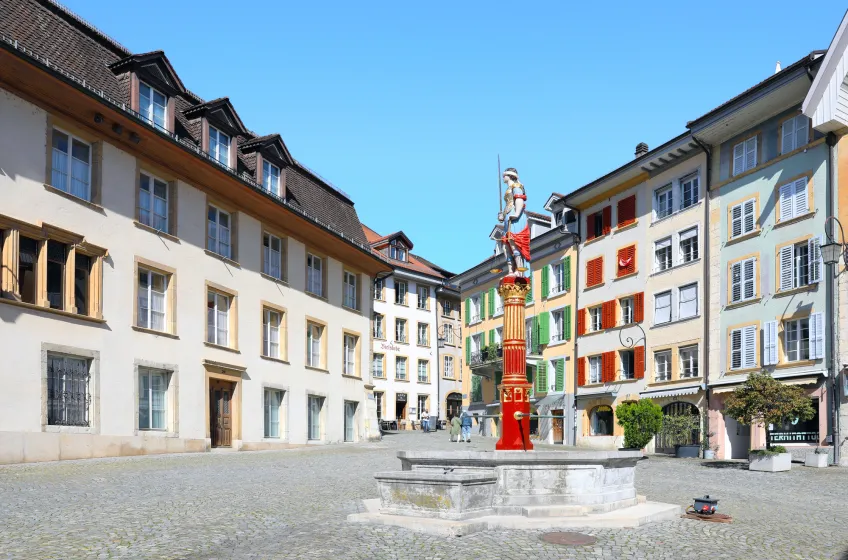
Biel’s charming Old Town sits slightly uphill from the main shopping area and is often missed by visitors—but it’s well worth a wander. With cobbled streets, fountains, and mediaeval townhouses, it’s one of the best-preserved old towns in the region. The Ringplatz is the central square, lined with cafés and home to the City Church of Biel, dating back to the 15th century.
On Saturdays, the weekly market brings fresh produce, flowers, and local cheeses, creating a lively, village-like feel.
Omega Museum
Biel is synonymous with watchmaking, and the Omega Museum offers a sleek, interactive deep dive into the history of this legendary brand. Located next to the Swatch headquarters, the museum showcases historic timepieces, Olympic timing equipment, moon-landing watches, and much more. Engaging for both enthusiasts and curious newcomers, it’s modern, informative, and free to enter.
Cité du Temps – Swatch and Planet Swatch Museum
Across from the Omega Museum is the new Cité du Temps, designed by Japanese architect Shigeru Ban. Inside, you’ll find the Planet Swatch Museum, a colourful, creative space showcasing thousands of Swatch models, and interactive exhibits on design and pop culture. There’s also a Swatch store and regular temporary exhibitions.
Even if you’re not a watch geek, the building and displays are fascinating and fun.
Lake Biel Promenade
The lakeside promenade is one of Biel’s most relaxing and beautiful spots. Walk or cycle from Nidau (a suburb with its own little harbour) to the Strandboden, a recreational park and beach area. In summer, people swim, picnic, and play volleyball along the lake, while restaurants and food stalls serve drinks, grilled fish, and ice cream.
From here, you can also board a boat for a scenic cruise across Lake Biel, especially popular in the warmer months.
Twannbach Gorge (Twannbachschlucht)
One of the region’s best natural attractions, the Twannbach Gorge is a stunning narrow canyon carved by the Twannbach stream. A scenic footpath leads through the gorge, passing mossy rocks, waterfalls, and wooden bridges. It’s an easy, family-friendly hike that takes around 1 hour.
The trail ends (or begins) in the lakeside wine village of Twann, where you can enjoy a glass of local Chasselas and catch a boat or train back to Biel.
Vineyards of Lake Biel – The Lake Biel Wine Route
The southern slopes of Lake Biel are lined with vineyards, making this area one of Switzerland’s lesser-known but excellent wine regions. You can walk or cycle the Lake Biel Wine Route, passing through Twann, Ligerz, and Schafis, with opportunities to stop for tastings or lunch.
This is an especially enjoyable day trip in autumn, when the grape harvest brings a golden glow to the hills and seasonal wine festivals are held.
Pasquart Arts Centre (Kunsthaus Centre Pasquart)
This contemporary art museum showcases Swiss and international modern art, with a strong focus on photography and conceptual work. Housed in a striking building above the Old Town, the centre often hosts temporary exhibitions, talks, and installations that highlight emerging artists.
Even if the exhibitions don’t grab you, the setting and views over the city and lake make it worth a visit.
Nidau Castle
Originally built in the 12th century, Nidau Castle has been rebuilt and repurposed many times over the centuries. Today it houses administrative offices, but the building and surrounding Bielersee Canal area are lovely for a stroll. It’s also a great access point for lake cruises, and the nearby park is popular for picnics and paddleboarding.
Swiss Watchmaking School and Industry Heritage
Biel remains a working town, and watchmaking is still a vital part of its economy. While most factories are not open to tourists, the Centre for Professional Education in Watchmaking (CPW) continues the tradition of precision craftsmanship.
Walk around the industrial quarter, and you’ll find mid-century modern buildings that reflect Biel’s Bauhaus and functionalist legacy—something architecture fans will appreciate.
Practical Advice for Visitors
Getting There
Biel/Bienne is well-connected by train and road:
-
From Bern: 30 minutes by direct train.
-
From Zurich: Around 1 hour and 15 minutes by train.
-
From Geneva: About 1 hour and 45 minutes by train.
The city’s train station is modern and centrally located, making it easy to explore on foot, by tram, or on two wheels—Biel is one of Switzerland’s most bike-friendly cities.
Parking
There are several public car parks in the city centre, including Parkhaus Altstadt, Parkhaus City, and Bahnhof Parking. Street parking is metered and limited in the Old Town, so it’s easiest to park centrally and walk or use public transport.
Dining
Biel’s food scene reflects its multicultural flair. You’ll find everything from hearty Swiss classics to Lebanese, Thai, Italian, and vegetarian cuisine. Top picks include:
-
Restaurant Gottstatterhaus – Set in a historic lakeside building, known for refined seasonal cuisine.
-
La Péniche – A floating restaurant and bar on the lake, great in summer.
-
L’Olivier – Mediterranean and Lebanese dishes with a relaxed vibe.
-
La Chouette – A cosy bistro with creative, local ingredients and good wine.
Street food and casual dining options abound around the train station and central streets, especially at lunchtime.
Shopping
While Biel doesn’t have high-end luxury boutiques, it offers great shopping for Swiss watches, design items, and local food products. Look for:
-
Watch shops in the city centre, many offering a wide selection of Swiss brands.
-
Markthalle Biel – For fresh produce, baked goods, and artisan foods.
-
Saturday market in the Old Town – Great for seasonal fruit, cheese, and crafts.
Wine from the Bielersee region, locally made mustards, and artisan chocolate make for excellent souvenirs.
When to Visit
-
Spring (April–June): Wildflowers bloom, the lakefront comes alive, and wine trails open.
-
Summer (July–August): Best for swimming, hiking, and lakeside activities. Expect music festivals and long evenings.
-
Autumn (September–October): Grape harvest, wine festivals, and crisp golden days.
-
Winter (November–February): Quieter, but the nearby Jura mountains offer cross-country skiing, and the Christmas lights in town are lovely.
Local Events
-
Lake Biel Wine Festival (Autumn): Celebrating the harvest with open cellar days and tastings in villages like Twann and Ligerz.
-
Bieler Braderie (June): A huge summer fair with food stalls, live music, rides, and markets.
-
International Watchmaking Exhibition (occasionally in spring): Showcasing local and international timepieces.
-
Biel/Bienne Christmas Market (December): Held in the Old Town with a warm, festive atmosphere.
Exploring Beyond Biel
Biel is ideally situated for day trips in the Three Lakes Region and the Jura Mountains:
-
St. Peter’s Island (Île St-Pierre): Reachable by boat or footpath from Erlach. A peaceful nature reserve and historical retreat.
-
Neuchâtel (30 minutes): French-speaking lakeside city with a mediaeval castle, lake promenade, and elegant streets.
-
Murten (45 minutes): A walled town on Lake Murten with mediaeval charm and bilingual culture.
-
Twann and Ligerz (15–20 minutes): Wine villages with scenic trails and lake access.
-
Chasseral Nature Park (30 minutes): For hiking, biking, and panoramic views over the region and beyond to the Alps.
Biel may not have the headline-grabbing fame of Zurich or Lucerne, but it’s a city of character, contrast, and creativity. With its mix of languages, industries, and natural beauty, it offers a different take on Switzerland—one that’s refreshing, real, and incredibly liveable. Whether you're here for a watchmaking pilgrimage, a lakeside retreat, or simply to enjoy an authentic Swiss town with depth, Biel will surprise you in the best way.
Shortlist
- Your Shortlist is empty