
Discover Simmental | A Visitor's Introduction to Simmental
Recommended places to stay, places to visit and things to do in or near Simmental
The Simmental is a serene, scenic alpine valley in the Bernese Oberland, stretching from the famous resort of Gstaad in the west to Spiez on Lake Thun in the east. Named after the Simme River that flows through it, the valley is known for its unspoilt nature, authentic Swiss culture, and the iconic Simmental cattle—a breed recognised worldwide for its golden-brown colouring and high-quality milk.
Unlike its glamorous neighbour Gstaad, the Simmental remains delightfully understated and traditional, dotted with charming villages, historic wooden farmhouses, and lush alpine meadows. It’s a dream destination for walkers, nature lovers, cyclists, and anyone looking to experience the slow, beautiful rhythms of alpine life.
Search All Simmental Accommodation
Why is Simmental Worth a Visit?
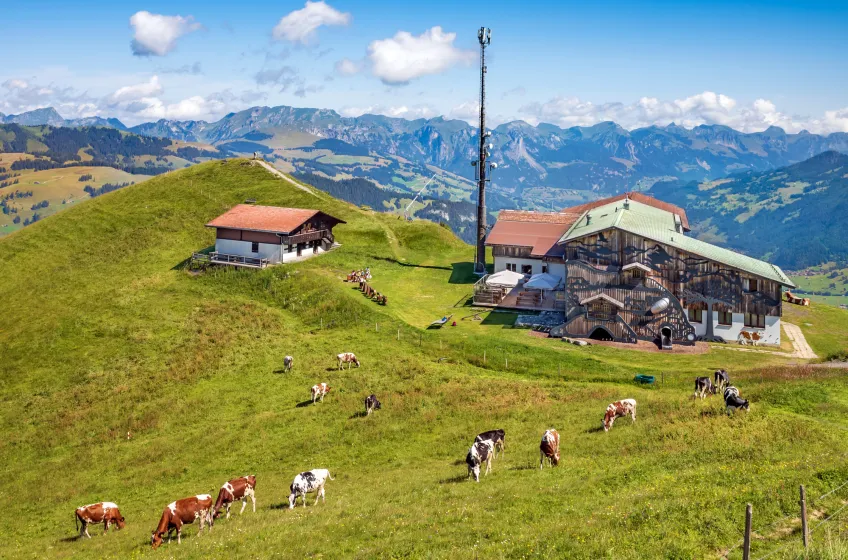
Simmental is worth visiting for its authenticity, pastoral charm, and peaceful mountain setting. It’s a region that perfectly captures the spirit of rural Switzerland—without the tourist crowds or inflated prices of better-known resorts. The valley’s gently rolling hills, forested slopes, and alpine ridges are ideal for hiking, cycling, and skiing, and there’s a strong sense of tradition in everything from the architecture to the food.
The region is also famous for its beautifully decorated Simmental wooden houses, many of which date back centuries and are adorned with painted facades and ornate carvings. Add to this the sound of cowbells, the scent of wildflowers, and panoramic views of the Bernese Alps, and it’s clear why Simmental is such a special destination.
Whether you're passing through on the scenic GoldenPass Line, staying in a cosy mountain guesthouse, or heading up to the high pastures, the Simmental offers a true taste of the Alps—simple, soulful, and stunning.
Simmental Highlights: Things to See and Do in Simmental
Zweisimmen
At the eastern end of the Simmental, Zweisimmen is the region’s transport hub and gateway to the Gstaad Mountain Rides ski area. It’s also a charming town in its own right, with traditional chalets, a mediaeval church, and direct access to mountain trails.
Zweisimmen is the departure point for the GoldenPass panoramic train, which links Montreux to Interlaken. In summer, it’s a great base for hikes and e-bike tours; in winter, it connects to the Rinderberg ski area, part of the larger Gstaad region.
Lenk im Simmental
Tucked away at the southern end of the valley, Lenk is perhaps the jewel of the Simmental—a picturesque alpine village with thermal springs, family-friendly ski slopes, and spectacular waterfalls. Lenk has a relaxed, welcoming feel and serves as a starting point for many of the area’s best walks.
Don’t miss the Simmenfälle (Simmen Falls), a dramatic waterfall located just above the village and accessible by foot or local bus. From here, trails lead into the high alpine pastures where cows graze in summer and alpine huts serve fresh cheese.
Lenk is also home to the Lenkerhof gourmet spa resort, one of the region’s best hotels, known for combining luxury with alpine wellness.
Iffigfall and Iffigenalp
A short journey from Lenk takes you to Iffigfall, another beautiful waterfall tumbling from the cliffs above. From here, a narrow road or hiking trail leads to Iffigenalp, a high alpine plateau surrounded by craggy peaks and wildflower meadows. It’s a great place to escape into nature, enjoy a traditional mountain meal, and watch the alpine cattle roam freely.
This area also connects to longer hikes into the Wildstrubel massif or over the Rawil Pass into Valais.
Historical Wooden Chalets
One of the defining features of the Simmental is its ornately decorated farmhouses, many of which are more than 200 years old. You’ll see them all along the valley, especially in villages like Boltigen, St. Stephan, and Lenk.
Look for carved beams, painted motifs, dates, and family initials above the doorways. Some houses even have biblical inscriptions or verses from old Swiss folktales. These buildings offer a living history of the valley and a reminder of the craftsmanship of local builders.
Rinderberg Cable Car and Panoramic Ridge Walks
From Zweisimmen, the Rinderberg cable car takes you to a high plateau with views stretching across the Simmental and over to the Diablerets massif. In summer, it’s a starting point for scenic hikes, including the Rinderberg–Horneggli ridge trail, which offers wide-open views and gentle terrain.
In winter, the area is part of the Gstaad ski region, with slopes suitable for all levels and cosy alpine huts for warming up.
Simme River Trail
For a leisurely walk or bike ride, follow the Simme River along its winding course through the valley. The riverside path connects several villages and is perfect for picnics, wild swimming, or simply soaking in the peaceful atmosphere. In spring and early summer, the river is full and fast-flowing, while autumn brings golden colours and fewer visitors.
Mountain Cheese and Local Produce
The alpine cheese from Simmental is known for its rich flavour, a result of the cows’ high-altitude grazing. Many alpine dairies offer tours or tastings, and some farms sell their cheese, butter, yoghurt, and dried meat directly from the door.
Be sure to try Simmentaler Alpkäse, a hard cheese made using traditional methods, and Berner Hobelkäse, a dry cheese that’s shaved into curls and often served with bread and pickles.
Cross-Country Skiing and Snowshoeing
In winter, Simmental is a haven for cross-country skiers and snowshoers, with well-marked trails around Lenk, Zweisimmen, and smaller hamlets like Oberwil. The quiet, snow-covered landscapes are ideal for a peaceful winter holiday, and rental equipment is available locally.
There are also groomed sledging runs and small downhill ski areas, perfect for families and beginners.
Alpine Culture and Events
The Simmental still observes many local traditions, including:
-
Alpabfahrt (September): When cows return from summer pastures, wearing flower crowns and large bells.
-
Folk music festivals: Featuring yodelling, alphorn playing, and traditional costumes.
-
Cheese festivals: Celebrating the region’s dairy heritage, often with tastings and live demonstrations.
Check village noticeboards for smaller local events—many are open to visitors and offer a warm, communal atmosphere.
Practical Advice for Visitors
Getting There
The Simmental is easily reached by public transport and car:
-
By train: Regular services from Bern and Spiez connect to Zweisimmen, with onward links to Lenk and other villages.
-
By car: The valley is well-served by scenic mountain roads. From Bern, it takes about 1 hour 30 minutes to Lenk.
The GoldenPass Line runs through Zweisimmen, making it a scenic stop on the route between Montreux and Interlaken.
Parking
Most villages have public parking areas, often near cable cars, train stations, or trailheads. In Lenk, Zweisimmen, and St. Stephan, look for signs marked “Parkplatz” or “Wanderparkplatz”.
Many accommodations offer free parking, but it’s always best to check in advance during peak seasons.
Accommodation
There’s a great range of places to stay, including:
-
Charming guesthouses and B&Bs in traditional chalets
-
Family-run hotels in Lenk and Zweisimmen
-
Alpine inns and farm stays near Iffigenalp and mountain pastures
-
Luxury options like the Lenkerhof Gourmet Spa Resort
If you're hiking from village to village, consider booking multiple short stays to experience the diversity of the valley.
Dining
Local restaurants focus on Swiss comfort food, often made with regional ingredients. Popular dishes include:
-
Älplermagronen (alpine macaroni with cheese and onions),
-
Rösti with sausage or bacon,
-
Berner Platte (a platter of meats, sauerkraut, and potatoes),
-
Local cheese fondue or raclette.
Recommended spots:
-
Restaurant Wildstrubel (Lenk) – traditional and welcoming.
-
Simmenfälle Bergrestaurant – perfect for a meal after viewing the falls.
-
Horneggli Hütte – cosy mountain hut near Schönried.
In summer, many Alp huts serve food and drink to passing hikers.
Shopping
Simmental isn’t a shopping destination, but you’ll find:
-
Cheese dairies and farm shops (e.g., in Lenk or St. Stephan)
-
Small bakeries and butchers
-
Local crafts, woodcarvings, and textiles
-
Weekly markets in larger villages
Bring cash for smaller shops and farms—many don’t accept cards.
When to Visit
-
Spring (May–June): Waterfalls are full, meadows bloom, and the valley is peaceful.
-
Summer (July–August): Best for hiking, biking, and alpine dairies.
-
Autumn (September–October): Gorgeous colours and local events like the Alpabfahrt.
-
Winter (December–March): Ideal for cross-country skiing, snowshoeing, and relaxed winter stays.
Each season offers a different charm, with summer and autumn being the most popular for walkers and nature lovers.
Language
Locals speak Swiss German, often in a strong Bernese dialect, but standard German is widely understood. In tourist areas, you’ll also find English and French speakers.
Exploring Beyond Simmental
The Simmental is close to many other attractions:
-
Spiez (30 minutes): A lakeside town on Lake Thun with a castle and boat cruises.
-
Gstaad (20 minutes): Upscale resort with luxury shopping, spas, and Glacier 3000.
-
Lauterbrunnen & Grindelwald (1 hour): Stunning mountain villages for hiking and excursions.
-
Gruyères (1.5 hours): Famous for its cheese, castle, and the HR Giger Museum.
It also connects easily with the GoldenPass Line, making it part of a stunning scenic train route between Montreux and Lucerne.
Simmental is one of Switzerland’s best-kept secrets—a tranquil, visually stunning valley that remains wonderfully traditional and unspoilt. From thundering waterfalls to peaceful riverside trails, from flower-draped farmhouses to alpine cheese tastings, it offers a deeper, slower kind of travel experience. Whether you're exploring it on foot, by train, or simply sitting on a chalet balcony listening to cowbells, Simmental promises an unforgettable encounter with the soul of the Swiss Alps.
Shortlist
- Your Shortlist is empty