
Discover Glarus Canton | A Visitor's Introduction to Glarus Canton
Recommended places to visit, places to stay and things to do in and around Glarus Canton
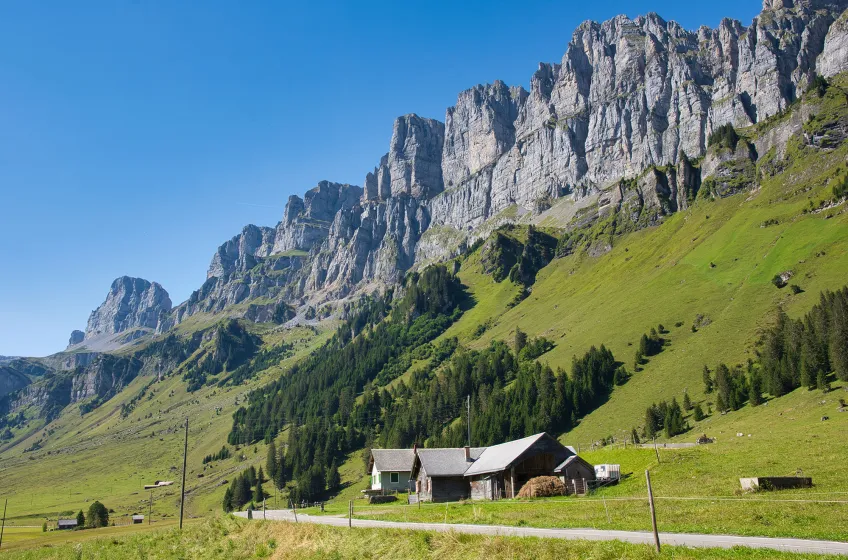
Glarus is a mountainous canton in eastern Switzerland, set between Lake Walen and the high peaks surrounding the Linth Valley. Known for its dramatic geology, textile heritage, traditional open-air assembly and excellent access to hiking country, this compact region is a perfect destination for walkers, railway travellers and visitors seeking a quieter alternative to Switzerland’s major Alpine resorts. With its historic capital, turquoise lakes, steep valleys and striking rock formations, Glarus offers a strong combination of culture and outdoor scenery.
Recommended Glarus Canton hotels and other accommodation
Pre-book Glarus Canton Attractions, Tours & Experiences
Why is Glarus Canton Worth a Visit?
Glarus is worth visiting because it feels distinctly Swiss without being dominated by international tourism. The main valley is easy to reach by train, yet mountain villages, waterfalls and high-level trails begin only a short distance from the railway.
The canton is particularly important for its geology. The Glarus Thrust, where older rock was pushed above younger layers during the formation of the Alps, is internationally recognised and visible at several locations. Even without specialist knowledge, the folded cliffs and exposed rock faces are impressive.
Glarus also has an unusual political tradition. The canton still holds a public assembly known as the Landsgemeinde, where eligible citizens gather in the open air to vote on cantonal matters.
The region suits a two- or three-night stay, although keen walkers could easily spend a week exploring valleys around Elm, Linthal, Braunwald and Klöntalersee.
Glarus Highlights: Things to See and Do in Glarus Canton
Explore Glarus Town
Glarus is the cantonal capital and the most practical starting point for understanding the region.
Much of the town was rebuilt after a major fire in the 19th century, giving the centre a more ordered layout than many older Swiss towns. Broad streets, civic buildings and mountain views create a distinctive atmosphere.
The central square is used for markets and public events, including the annual Landsgemeinde. Cafés, bakeries and shops make the town a convenient base for day trips into the surrounding valleys.
Glarus railway station is close to the centre, and most of the town can be explored comfortably on foot.
Visit the Museum of Glarus
The cantonal museum introduces the history, politics and industry of the region.
Exhibitions typically cover textile production, local customs, religious change, migration and the development of the canton. The museum is especially useful for understanding how manufacturing shaped Glarus before tourism became important.
The historic textile trade brought international connections and wealth to the valley, and examples of printed fabrics and industrial design form an important part of the story.
Opening arrangements may vary by season, so check before making a special journey.
Learn About the Landsgemeinde
The Landsgemeinde is one of the most distinctive features of Glarus.
Once a year, eligible citizens gather in the open air to vote on cantonal laws, taxes and political questions. Decisions are made by raising hands rather than through a conventional polling station.
The assembly is held in Glarus town and attracts considerable interest. Visitors may observe from designated areas, but it remains a functioning political event rather than a staged performance.
Accommodation and transport can be busier around the event, so plan ahead when travelling specifically to see it.
Visit Klöntalersee
Klöntalersee is a long mountain lake west of Glarus, enclosed by steep cliffs and forested slopes.
Its clear water and dramatic setting make it one of the canton’s most attractive natural destinations. Walking routes follow parts of the shore, while designated areas are popular for swimming and picnics during summer.
The lake can feel peaceful early in the morning but becomes busier on warm weekends. Public transport is seasonal, and the road is narrow in places.
Walking the full shoreline requires more time and effort than the lake’s compact appearance may suggest.
Explore Elm
Elm is a traditional mountain village in the upper Sernf Valley.
Wooden houses, surrounding peaks and nearby walking routes give it a strong Alpine character. The village is associated with the mineral drink Elmer Citro and with winter sports, but it is equally rewarding during summer.
Elm also provides access to viewpoints connected with the Glarus Thrust and the Tschingelhörner rock formation.
The village is reached by bus from Schwanden, where connections are available from the main railway line.
See the Martinsloch
The Martinsloch is a large natural opening in the rock face of the Tschingelhörner above Elm.
At particular times of year, the sun shines through the opening and illuminates parts of the village or church area. This natural phenomenon is one of the canton’s best-known sights.
The exact timing depends on the season, weather and viewing position. Local information is essential when planning a visit specifically for the event.
Even when the sun does not align with the opening, the surrounding mountain scenery remains impressive.
Ride the Elm Mountain Lifts
Mountain lifts above Elm provide access to walking routes, family areas and winter-sports terrain.
During summer, visitors can enjoy panoramic paths, mountain restaurants and activities suited to children. In winter, the area becomes a compact ski resort.
Lift operations depend on weather and season. Check the final descent before beginning a longer walk.
Elm is generally quieter than Switzerland’s largest resorts, making it attractive for visitors who prefer a more local atmosphere.
Discover Braunwald
Braunwald is a car-free mountain village above Linthal.
A funicular climbs from the valley to the village, where walking paths, hotels and mountain views create a relaxed holiday setting. The lack of ordinary road traffic makes Braunwald particularly suitable for families and visitors seeking a peaceful stay.
The village offers access to cable cars, Alpine routes and winter-sports areas. Some paths are gentle, while others lead into demanding mountain terrain.
Accommodation is spread across the slopes, so check the distance from the funicular station before booking.
Visit Linthal
Linthal lies near the southern end of the main valley and is a gateway to Braunwald, the Klausen Pass and high mountain areas.
The village itself is small, but its transport connections make it strategically useful. Trains from Glarus and Zurich continue here, while buses and mountain transport provide access to surrounding destinations.
Linthal is also a good base for walkers who want to explore the upper valley without staying in a resort.
Travel Across the Klausen Pass
The Klausen Pass connects Glarus with the canton of Uri.
The road climbs through steep valleys, waterfalls and high Alpine scenery before descending towards Altdorf. It is one of Switzerland’s most impressive mountain routes.
The pass is seasonal and usually closes during winter. Snow, fog and storms can affect access even during the warmer months.
Postbuses may operate across the pass during the main season, allowing visitors to enjoy the scenery without driving.
Explore the Glarus Thrust
The Glarus Thrust is one of the most important geological features in the Alps.
It reveals how older rock layers were pushed over younger ones during mountain formation. The feature can be observed around the Tschingelhörner, Piz Sardona and several high-level walking areas.
Interpretive trails and visitor information help explain the geology in accessible language. Some viewpoints are easy to reach, while others require substantial mountain experience.
Weather and visibility are important, as cloud can hide the relevant rock formations.
Walk Around Lake Walen
Lake Walen forms part of the northern edge of the canton and is surrounded by steep cliffs, vineyards and small settlements.
The southern shore includes Näfels and access towards the main Glarus Valley, while the northern side has dramatic walking routes and villages reached by boat or road.
The lake’s dark blue water and mountain walls create a more rugged atmosphere than many better-known Swiss lakes.
Boat services are seasonal, so check timetables carefully when planning one-way walks.
Visit Näfels
Näfels is one of the larger settlements in the lower canton and has a mixture of historic buildings, museums and transport connections.
The village is associated with the Battle of Näfels, an important event in the canton’s medieval history. Memorials and local traditions reflect this role.
Näfels is also a useful base for visiting Lake Walen, Obersee and nearby mountain areas.
See Näfels Palace
Freuler Palace in Näfels is one of the canton’s finest historic buildings.
The 17th-century residence contains ornate rooms and regional museum displays. Its architecture reflects the wealth and status of an influential local family.
The palace is particularly valuable for visitors interested in domestic interiors, local craftsmanship and the political history of Glarus.
Opening days may be limited outside summer.
Relax at Obersee
Obersee is a small mountain lake above Näfels.
Its quiet setting, woodland surroundings and walking routes make it suitable for a relaxed half-day excursion. The lake is much smaller than Klöntalersee but often feels less busy.
Access involves a mountain road and may be easier by car, although local transport can operate seasonally.
Facilities are limited, so bring water and food when planning a longer stay.
Practical Advice for Visitors
Getting There
Glarus is easy to reach by train from Zurich.
Direct or connecting services run through Ziegelbrücke into the main valley, stopping at places including Näfels, Glarus, Schwanden and Linthal.
The journey from Zurich to Glarus town generally takes around one to one and a half hours, depending on the service.
Zurich Airport is the nearest major international gateway. Rail connections normally require a change in Zurich or at another regional station.
Choosing Where to Stay
Glarus town is the best base for museums, restaurants and transport connections.
Elm suits visitors interested in mountain scenery, geology and quieter hiking.
Braunwald is ideal for a car-free Alpine stay with direct access to lifts and trails.
Linthal works well for walkers, railway travellers and excursions towards the Klausen Pass.
Näfels is convenient for Lake Walen, Obersee and the northern part of the canton.
Getting Around
The main railway line provides excellent access along the central valley.
Buses connect railway stations with Elm, Klöntalersee and smaller settlements. Frequencies are lower in the evening and on Sundays.
Mountain lifts operate seasonally and often close for maintenance between summer and winter periods.
Check final return services carefully, especially when visiting high valleys or beginning one-way walks.
Driving and Parking
A car is useful for Klöntalersee, Obersee and some remote trailheads, but it is not essential for the main valley.
Swiss motorways require a vignette. Ordinary roads within the canton are generally well maintained, although mountain routes can be narrow and exposed.
Parking near popular lakes and walking areas fills quickly on sunny weekends.
The Klausen Pass requires careful driving and should only be attempted when officially open.
Hiking Safety
Glarus contains everything from easy valley walks to serious Alpine routes.
Do not rely only on distance when judging a trail. Elevation, exposure and weather can make a relatively short walk difficult.
Carry water, sun protection, waterproof clothing and a warm layer. Proper walking shoes are essential on mountain paths.
Check trail conditions, weather forecasts and lift schedules before setting out.
Dining
Glarus cuisine is based on mountain farming, dairy products and hearty regional dishes.
A well-known speciality is Glarner Pastete, a pastry filled with almond or prune mixture, often divided into two contrasting halves.
Schabziger is a strongly flavoured green cheese made with herbs. It is usually grated over potatoes, pasta or bread rather than eaten in large pieces.
Traditional restaurants also serve rösti, sausages, cheese dishes and seasonal game.
Glarus town has the widest dining choice, while mountain villages often have fewer restaurants with shorter opening hours.
Shopping
Typical regional purchases include Glarner Pastete, Schabziger cheese, honey, dried meat and textile products.
Glarus town and Näfels provide the broadest selection of shops.
Farm stores and self-service kiosks may sell cheese, eggs and local produce. Carrying some cash is useful for these smaller outlets.
Most ordinary shops close on Sundays.
When to Visit
June to September is the main period for hiking, lakes and mountain transport.
July and August offer the fullest lift and bus schedules but can be busy around Klöntalersee and popular walking routes.
September often provides clear mountain views and comfortable temperatures.
December to March is suitable for skiing and winter walking in Elm and Braunwald.
April, May, October and November are transition periods, when some lifts, hotels and mountain restaurants may close.
Local Events
The Landsgemeinde in Glarus town is the canton’s most distinctive annual event.
Traditional festivals, cattle drives and village celebrations take place throughout summer and autumn.
Elm and Braunwald host winter-sports activities and seasonal events.
Local museums, churches and cultural venues also organise concerts, exhibitions and markets throughout the year.
Dates vary, so check the regional programme before planning a visit around a particular event.
Exploring Beyond Glarus
Lake Walen is an obvious extension, with access to Quinten, Weesen and the mountain scenery of the Churfirsten.
Rapperswil lies at the upper end of Lake Zurich and offers a castle, old town and lakeside promenade.
The canton of Schwyz is nearby, with Einsiedeln, Stoos and Lake Lucerne among its principal attractions.
Uri can be reached across the Klausen Pass during summer, leading towards Altdorf and the Gotthard route.
Graubünden lies to the south-east and provides further high mountain scenery, historic towns and scenic rail journeys.
Shortlist
- Your Shortlist is empty