
Discover Schwyz Canton | A Visitor's Introduction to Schwyz Canton
Recommended places to visit, places to stay and things to do in and around Schwyz Canton
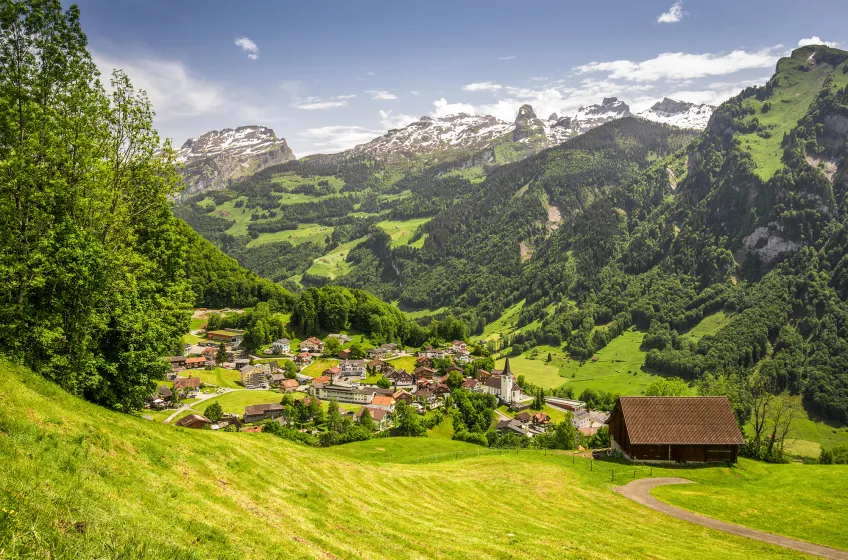
Schwyz is a mountainous canton in central Switzerland, stretching from Lake Lucerne and Lake Zurich into the foothills of the Alps. Known for its role in the foundation of the Swiss Confederation, the pilgrimage town of Einsiedeln and the dramatic viewpoints above Stoos, this region is a perfect destination for history enthusiasts, hikers, families and travellers exploring Switzerland by public transport. With its lakeside resorts, monasteries, mountain railways and traditional villages, Schwyz offers a varied escape within easy reach of Zurich and Lucerne.
Recommended Schwyz Canton hotels and other accommodation
Pre-book Schwyz Canton Attractions, Tours & Experiences
Why is Schwyz Canton Worth a Visit?
Schwyz is worth visiting because it combines Switzerland’s founding history with some of the most accessible mountain scenery in the country. The cantonal capital contains documents and museums connected with the early Confederation, while nearby Lake Lucerne is closely associated with the legends of William Tell and the oath at Rütli.
The canton is also remarkably diverse. Visitors can ride to the car-free mountain village of Stoos, explore the vast Benedictine abbey at Einsiedeln, walk beside Lake Lucerne or relax in waterfront towns such as Brunnen and Küssnacht.
Schwyz is particularly suitable for travellers who want Alpine experiences without staying in a major international resort. Its mountains are generally lower than those around Zermatt or the Bernese Oberland, but the views over lakes, valleys and distant peaks can be exceptional.
Public transport is a major advantage. Trains serve the principal valleys and lakes, while buses, boats, funiculars and cable cars provide connections to many mountain attractions. (ch.ch)
Schwyz Highlights: Things to See and Do in Schwyz Canton
Explore Schwyz Town
Schwyz is the cantonal capital and gives its name to both the canton and Switzerland itself.
The central Hauptplatz is surrounded by traditional buildings, inns and the imposing parish church of St Martin. The square provides an attractive introduction to the town’s political and religious importance.
Nearby streets contain historic houses and views towards the Grosser and Kleiner Mythen mountains. Schwyz is compact and can be explored comfortably in a few hours.
The town works particularly well as a base for visiting Stoos, Brunnen and the museums devoted to Swiss history.
Forum of Swiss History
The Forum of Swiss History is one of the most important museums in central Switzerland.
Its exhibitions explore the development of the Swiss Confederation during the Middle Ages, placing familiar national legends within a broader European context. Displays use historic objects, reconstructed environments and multimedia interpretation.
The museum is especially useful before visiting sites such as Rütli or the Federal Charter Museum, as it helps distinguish documented history from later patriotic storytelling.
Allow around 90 minutes for a general visit.
Federal Charter Museum
The Federal Charter Museum contains documents associated with the early Swiss Confederation.
Its most famous exhibit is the Federal Charter of 1291, traditionally treated as one of Switzerland’s founding documents. Further displays explain alliances between the early cantons and the later development of national identity.
The museum is relatively small but important for visitors interested in Swiss political history. Combining it with the Forum of Swiss History provides a fuller picture of the period.
Ride the Stoos Funicular
The funicular from Schwyz-Schlattli to Stoos is an attraction in its own right. Its barrel-shaped passenger compartments rotate during the steep ascent, allowing the floors to remain level.
Stoos is a car-free mountain village positioned at around 1,300 metres above sea level. It serves as a base for walking, skiing and journeys towards Fronalpstock and Klingenstock.
The funicular is described by the local tourism organisation as the steepest of its kind in the world. Buses connect Schwyz railway station and town centre with the lower terminal. (Stoos)
Visit Fronalpstock
Fronalpstock provides one of the finest views in central Switzerland. Chairlifts climb from Stoos towards the summit, where terraces and short paths overlook Lake Lucerne.
On a clear day, the panorama includes several lakes, the Rigi, Pilatus, the Mythen and distant Alpine ranges. The steep drop towards Lake Uri makes the viewpoint particularly dramatic.
A relatively gentle summit trail is available near the upper station, while more demanding paths descend towards Stoos or continue along mountain ridges. (Stoos)
Check lift operations and summit weather before travelling. Cloud can completely hide the view even when conditions appear bright in the valley.
Walk the Klingenstock–Fronalpstock Ridge
The ridge route between Klingenstock and Fronalpstock is one of the canton’s most celebrated hikes.
The narrow path follows an elevated ridge with continuous views towards Lake Lucerne, the Mythen and surrounding mountains. Chairlifts at either end reduce the amount of climbing.
Despite its popularity, this is a proper mountain route. It includes steep sections, steps and exposed drops, making it unsuitable for anyone uncomfortable with heights.
The ridge walk is usually completed in the Klingenstock-to-Fronalpstock direction and takes roughly two hours without extended stops. It should only be attempted in suitable weather and when both lift systems are operating. (Switzerland Tourism)
Explore Brunnen
Brunnen stands at the meeting point of Lake Uri and the broader waters of Lake Lucerne.
Its promenade has hotels, cafés, boat landings and broad views towards the surrounding mountains. The town has long been associated with Swiss tourism and provides a practical base for lake cruises and excursions to Rütli.
Passenger boats connect Brunnen with Lucerne, Flüelen, Rütli and other lakeside destinations. Railway services also provide easy access from Zurich and Lucerne.
Brunnen is especially attractive in the evening, after day visitors have left the waterfront.
Visit Rütli Meadow
Rütli Meadow occupies a secluded position above Lake Uri and is traditionally associated with the oath between the founding cantons of Uri, Schwyz and Unterwalden.
The open meadow is deliberately simple, with paths, memorial features and views across the lake. Its national importance comes from the story that representatives of the three cantons formed an alliance here in 1291.
Rütli is generally reached by boat, followed by an uphill walk from the landing stage. It also marks the beginning of the Swiss Path around Lake Uri. (Switzerland Tourism)
Walk the Swiss Path
The Swiss Path follows the shores and slopes around Lake Uri.
Created to commemorate the Confederation’s anniversary, the route is divided into sections representing the Swiss cantons in the order in which they joined. It begins at Rütli and continues through forests, villages and lakeside viewpoints.
The complete trail is long, but boats, trains and buses make it easy to walk an individual stage. Some sections are gentle, while others contain prolonged climbs, steps or steep descents.
Carry water and check the final boat or train connection before starting.
Visit Einsiedeln Abbey
Einsiedeln Abbey is one of Switzerland’s most important pilgrimage destinations. Its vast Baroque façade dominates the town, while the interior contains elaborate decoration, chapels and the revered Black Madonna.
The Benedictine community has occupied the site for more than a thousand years. The complex also includes monastic buildings, a library, stables and cultural collections, though access varies according to tours and religious activities.
The abbey church is an active place of worship. Visitors should remain quiet, avoid interrupting services and dress respectfully.
Einsiedeln is Switzerland’s most visited pilgrimage centre and remains a destination on historic pilgrimage routes. (Zuerich)
Explore Einsiedeln Town
The settlement surrounding the abbey has traditional buildings, cafés, religious shops and accommodation for pilgrims.
The broad square in front of the monastery provides the classic view of the abbey façade. Side streets lead towards bakeries, restaurants and paths into the surrounding countryside.
Einsiedeln is also a base for walking, cycling, cross-country skiing and excursions towards the Sihlsee and Hoch-Ybrig.
The town can become busy during religious festivals, major services and sunny weekends.
Relax Beside Sihlsee
Sihlsee is an artificial lake south of Einsiedeln, surrounded by farmland, wooded slopes and small communities.
The relatively quiet shoreline is suitable for cycling, walking and scenic drives. Designated areas may allow swimming or watersports during the warmer months.
The broad landscape feels very different from the steep-sided Lake Lucerne. It is best explored by bicycle or car, as public access points are spread around the reservoir.
Explore Küssnacht am Rigi
Küssnacht stands near Lake Lucerne at the foot of the Rigi.
The town is associated with the William Tell legend. The Hohle Gasse, or Hollow Way, is traditionally identified as the place where Tell ambushed the Habsburg governor Gessler.
Küssnacht also has a lakeside promenade, historic centre and transport connections towards Lucerne, Zurich and the Rigi area.
The town hosts an elaborate St Nicholas tradition in December, when processions include large illuminated bishops’ hats, bells and music.
Ascend the Rigi
The Rigi massif rises between Lake Lucerne, Lake Zug and Lake Lauerz. Different railways and cable cars approach it from several sides.
Rigi Kulm is the highest and most famous viewpoint, with broad panoramas over lakes and the Alps. Walking routes connect mountain stations, restaurants and smaller summits.
From the Schwyz side, access is possible through places such as Arth-Goldau and Küssnacht. Combining a mountain railway with a Lake Lucerne boat journey creates a particularly varied day.
Weather at the summit can change quickly, so check visibility before travelling.
Visit Lake Lauerz
Lake Lauerz lies between Schwyz, the Rigi and the Mythen mountains.
It is smaller and quieter than Lake Lucerne, with wetlands, rural shorelines and views towards surrounding peaks. The area is suitable for cycling, walking and relaxed outdoor stops.
The island of Schwanau contains castle ruins and a chapel. Seasonal access arrangements may vary.
Lake Lauerz is particularly attractive in calm morning conditions, when the mountains reflect in the water.
See the Mythen Mountains
The Grosser and Kleiner Mythen rise sharply above Schwyz and form the canton’s most recognisable mountain silhouette.
The Grosser Mythen can be climbed on a steep, well-established path during suitable summer conditions. The route includes numerous bends, exposed sections and substantial ascent.
This is not a casual viewpoint walk. Proper footwear, fitness and a head for heights are required, and the route should be avoided in wet, icy or stormy weather.
Less demanding paths around the base provide impressive views without the exposed summit climb.
Practical Advice for Visitors
Getting There
Schwyz canton lies between Zurich and Lucerne and is well connected by rail.
Arth-Goldau is the principal railway junction, with services towards Zurich, Lucerne, Ticino and the Gotthard route. Schwyz, Brunnen, Küssnacht and Einsiedeln also have useful train connections.
Zurich Airport is the most convenient major international gateway. Most principal towns in the canton can be reached in roughly one to two hours, depending on the destination and connection.
Schwyz railway station lies outside the historic town centre. Local buses continue to the museums, main square and Stoos funicular.
Choosing Where to Stay
Schwyz town is the best base for Swiss history, Stoos and the Mythen.
Brunnen suits visitors interested in Lake Lucerne, boat travel and waterfront scenery. It has a stronger holiday atmosphere and broader accommodation choice.
Einsiedeln is ideal for pilgrimage heritage, quiet countryside and access to the Sihlsee or Hoch-Ybrig.
Stoos provides a car-free mountain stay with direct access to walking and skiing. Küssnacht is useful for combining the Rigi with Lucerne.
Getting Around
Swiss trains, buses, boats and mountain railways are closely integrated. Through tickets are often available for journeys involving several forms of transport. (ch.ch)
Regional buses connect Schwyz railway station with the town centre, Stoosbahn and surrounding villages. Boats serve Brunnen and other Lake Lucerne communities.
Mountain lifts operate seasonally and may close during maintenance periods or poor weather. Always check the final descent before beginning a walk.
A Swiss Half Fare Card or suitable regional pass may reduce transport costs, but mountain-lift discounts differ by operator.
Driving and Parking
A car is useful for Lake Lauerz, Sihlsee and rural villages, but it is unnecessary for many major attractions.
Swiss motorways require a vignette. Drivers crossing into neighbouring countries should check whether additional motorway charges apply.
Public parking is available in Schwyz, Brunnen, Einsiedeln and near the Stoos funicular. Spaces can fill during summer weekends, winter sports periods and religious events.
Stoos itself is car-free. Vehicles must be left at the valley terminal or another authorised parking area.
Dining
Schwyz cuisine reflects central Switzerland’s farming and dairy traditions.
Typical dishes include rösti, cheese dishes, sausages, veal and substantial soups. Mountain restaurants commonly serve simple meals based on local cheese, potatoes and cured meat.
A regional speciality is Schwyzer Chäs, while local bakeries produce pastries, breads and seasonal treats.
Einsiedeln is associated with gingerbread-like baked goods and pilgrimage confectionery. Brunnen offers the widest choice of waterfront restaurants, though prices can be higher beside the lake.
Shopping
The canton’s most characteristic products include cheese, dried meat, honey, spirits and bakery goods.
Schwyz town is associated with the Swiss Army knife through the nearby Victorinox company, although factory access and visitor arrangements should be checked in advance.
Einsiedeln has religious shops, monastery products and local food retailers. Mountain dairies and farm shops may sell cheese directly.
Switzerland uses the Swiss franc. Cards are widely accepted, but some farm shops, mountain huts and small kiosks still favour cash.
When to Visit
May to June is excellent for green landscapes, lakeside walking and lower mountain routes. Snow may remain on higher paths.
July and August offer the fullest boat and mountain-lift schedules. They also bring crowds to Stoos, the Rigi and Lake Lucerne.
September often provides clear air and comfortable hiking temperatures. Some lifts begin reducing operations later in autumn.
December to March is suitable for skiing, winter walking and visits to Einsiedeln. Lower towns may experience rain when mountain villages have snow.
April, May, October and November can be transition periods, with selected lifts, hotels and mountain restaurants closed.
Local Events
Swiss National Day on 1 August has particular importance in Schwyz because of the canton’s role in the Confederation’s founding traditions.
Religious festivals and pilgrimages take place throughout the year in Einsiedeln. These can create large crowds and affect access to the abbey church.
Küssnacht’s St Nicholas procession is one of the canton’s most distinctive winter events.
Traditional wrestling, Alpine cattle events, music and village festivals are held across the region during summer and autumn.
Exploring Beyond Schwyz
Lucerne is the easiest major-city excursion, offering a historic centre, covered bridges, museums and lake cruises.
Uri lies across Lake Lucerne and can be reached by boat or train. Altdorf, Flüelen and the Gotthard route provide further Tell heritage and mountain scenery.
Zug offers a compact lakeside old town and excellent rail connections.
Zurich is within easy reach for museums, shopping and a larger urban contrast.
Ticino lies south of the Gotthard and provides Italian-speaking towns, castles and a warmer climate. Arth-Goldau is a convenient departure point for trains towards Bellinzona and Lugano.
Shortlist
- Your Shortlist is empty