
Discover Geneva City | A Visitor's Introduction to Geneva
Recommended places to stay, places to visit and things to do in or near Geneva
Geneva is a strikingly elegant city in southwestern Switzerland, nestled between the Alps and Jura mountains, on the western tip of Lake Geneva (Lac Léman). Known as the “Capital of Peace”, Geneva is home to the United Nations’ European headquarters, the Red Cross, and more than 200 international organisations. But behind its reputation as a centre of diplomacy and finance, Geneva is also a vibrant, scenic, and richly cultural city, with a fascinating mix of Swiss traditions and global influence.
With its lakeside promenades, cosmopolitan atmosphere, leafy parks, and sophisticated charm, Geneva is ideal for travellers who enjoy urban exploration, museum-hopping, fine dining, or just relaxing by the water with stunning views of Mont Blanc in the distance.
Search All Geneva Accommodation
Pre-book Geneva Attractions, Tours & Experiences
Why is Geneva Worth a Visit?
Geneva is worth visiting for its unique position at the crossroads of cultures, its world-class institutions, and its stunning natural setting. It offers an unbeatable combination of international flair and Swiss precision, all within a compact and walkable city.
The city sits on the shore of Europe’s largest alpine lake and is surrounded by mountains, vineyards, and rivers, making it a perfect destination for those who want to combine culture and nature. Geneva also prides itself on its quality of life – it's clean, safe, efficient, and full of green spaces.
Whether you’re interested in global politics, science, art, or outdoor activities, Geneva has something to offer. And despite its reputation for being businesslike and a little expensive, the city is welcoming, multilingual, and filled with small discoveries – from historic cafés to lakeside saunas, street art, and jazz bars.
Geneva Highlights: Things to See and Do in Geneva
Jet d’Eau
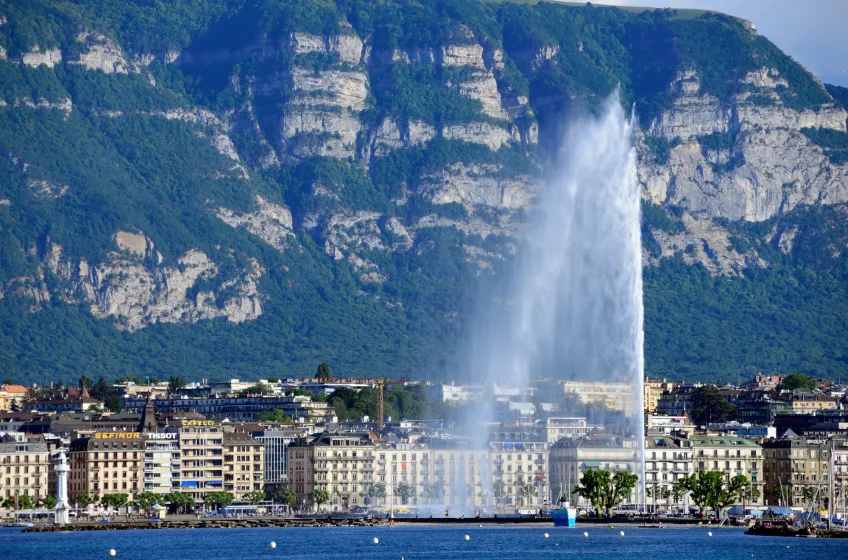
The Jet d’Eau is Geneva’s most iconic landmark – a dramatic water fountain that shoots 140 metres into the air from a jetty where the Rhône flows out of the lake. Visible from almost anywhere in the city, it’s especially beautiful at sunset or when lit up at night. Walk out along the jetty for a close-up (but potentially damp) experience.
Old Town (Vieille Ville)
Geneva’s Old Town is a hilltop maze of cobbled streets, hidden squares, and sandstone buildings. It’s the historic heart of the city, full of atmosphere and charm. Key sights include:
-
St. Pierre Cathedral: Climb the towers for panoramic views. The cathedral was a stronghold of the Reformation, and you can visit John Calvin’s chair inside.
-
Maison Tavel: Geneva’s oldest house, now a free museum exploring the city’s history.
-
Place du Bourg-de-Four: The oldest square in the city, now home to outdoor cafés and elegant shops.
Wander the alleys, browse antiquarian bookstores, and enjoy the Old Town’s peaceful, timeless feel.
Palais des Nations (United Nations Headquarters)
A visit to the UN’s European headquarters in the Palais des Nations, set in Ariana Park, is a fascinating glimpse into global diplomacy. Guided tours (available in several languages) include conference rooms, council chambers, and artworks donated by member states. Outside, the Broken Chair monument is a moving symbol of landmine victims and humanitarian advocacy.
Museum of the Red Cross and Red Crescent
Next to the UN, this unique museum offers a powerful look at the history and ongoing mission of the International Red Cross, which was founded in Geneva in 1863. Through multimedia exhibitions, it highlights themes of humanitarian aid, protection of human rights, and global conflict response.
Patek Philippe Museum
Watch lovers should not miss the Patek Philippe Museum, which showcases five centuries of timekeeping craftsmanship. Expect a stunning collection of watches, enamel miniatures, and horological marvels from Geneva’s proud watchmaking tradition.
Parc des Bastions and Reformation Wall
This elegant park is home to the Reformation Wall, a monumental tribute to figures like John Calvin, William Farel, and John Knox, who made Geneva the centre of the Protestant Reformation. The park also features giant outdoor chessboards, statues, and a café – ideal for a relaxed break in the city.
Bains des Pâquis
A true Geneva institution, this lakeside bathing area is a favourite with locals year-round. In summer, it’s a great spot for swimming and sunbathing; in winter, it turns into a public sauna and hammam complex. The Buvette des Bains serves simple, excellent food – don’t miss the fondue in colder months or fresh lake fish in summer.
Carouge
Cross the Arve River and you’ll find Carouge, a bohemian district with Mediterranean flair. Built by Sardinian architects in the 18th century, it’s full of artisan boutiques, art studios, jazz bars, and secret gardens. Spend an afternoon browsing unique shops and relaxing in a leafy café courtyard. The Carouge Market (Wed and Sat) is one of the best in the city.
The Rhône and Jonction
Where the Rhône and Arve rivers meet, you’ll find La Jonction – a striking natural confluence where the two rivers mix dramatically, one turquoise and the other milky-grey. The nearby park is a great urban escape, loved by cyclists, swimmers, and picnic-goers. Follow the trail along the Rhône for peaceful walks and great city views.
CERN and the Globe of Science and Innovation
On the outskirts of the city near Meyrin, CERN is home to the Large Hadron Collider, the world’s largest particle accelerator. The Globe of Science and Microcosm exhibition are open to the public, offering fascinating insights into physics, the universe, and CERN’s discoveries. Free guided tours are available but must be booked in advance.
Geneva’s Botanical Garden
The Conservatoire et Jardin Botaniques is a peaceful, lakeside garden with over 12,000 species of plants, themed greenhouses, and even a small animal park. It’s free to enter and ideal for a slow morning stroll.
Lake Cruises and Water Taxis
Hop aboard a CGN lake cruise for a leisurely way to see the city and its surroundings. You can also use the yellow Mouettes Genevoises – public water taxis that cross the harbour and offer fantastic views for the price of a tram ticket.
Practical Advice for Visitors
Getting There
-
By air: Geneva International Airport (GVA) is just 10–15 minutes from the city centre by train or bus. It serves direct flights from across Europe and beyond.
-
By train: Geneva is well connected to other Swiss cities by high-speed trains (Lausanne, Zurich, Bern) and international lines (Paris, Lyon, Milan).
-
By car: Geneva is easy to reach via Swiss and French motorways, though city traffic and parking can be challenging.
Public Transport
Geneva’s public transport system (TPG) includes trams, buses, and lake boats. Visitors staying in hotels, hostels, or official accommodation receive a free Geneva Transport Card, valid for all public transport in the city.
Parking
Parking in central Geneva is expensive and limited. Opt for underground car parks such as Parking Mont-Blanc, Cornavin, or Rive-Centre. Park & Ride (P+R) options are available at the city edges, like P+R Bernex and P+R Etoile.
Dining
Geneva’s dining scene reflects its international population and lakeside location. Local specialities include:
-
Filets de perche: Small perch filets from the lake, served with lemon and fries.
-
Longeole: A Geneva-style pork sausage.
-
Fondue moitié-moitié: A rich blend of Gruyère and Vacherin cheeses.
Top spots include:
-
Café du Soleil (Petit-Saconnex): Arguably Geneva’s best fondue.
-
Bains des Pâquis: Casual but quality lakeside food with unbeatable views.
-
Café de Paris: Iconic steak-frites with butter sauce.
-
Brasserie Lipp and Les Armures: Elegant, traditional Swiss-French cuisine.
For global flavours, explore restaurants in Pâquis or Eaux-Vives, offering everything from Ethiopian and Lebanese to Korean and Vietnamese food.
Shopping
-
Rue du Rhône and Rue du Marché: Geneva’s luxury shopping streets, home to watchmakers, fashion houses, and fine jewellery.
-
Plainpalais Market: Antiques and vintage treasures on Wednesdays and Saturdays.
-
Carouge boutiques: Artisan jewellery, ceramics, vintage clothing, and local crafts.
Pick up some Swiss chocolate, Läderach or Favarger truffles, Genevan wine, or a handcrafted watch as a keepsake.
When to Visit
-
Spring (March–May): Blooming parks and fewer crowds.
-
Summer (June–August): Lake swimming, festivals, and long daylight hours.
-
Autumn (September–October): Beautiful vineyard colours and wine festivals.
-
Winter (November–February): Cosy fondue nights, Christmas markets, and proximity to nearby ski resorts.
Local Events
-
Fête de l’Escalade (December): Geneva’s historic celebration with parades, music, and chocolate cauldrons.
-
Geneva Festival (August): Fireworks, live music, and funfair by the lake.
-
Fête de la Musique (June): Free concerts in parks, churches, and squares.
-
Carouge Markets & Festivals: Seasonal events celebrating food, art, and local life.
-
Geneva International Motor Show (if running): A major global auto industry event, usually held in spring.
Exploring Beyond Geneva
-
Lausanne (35 min by train): Cultural, hilly, and full of lakeside charm.
-
Montreux and Chillon Castle (1h 15): The Swiss Riviera at its finest.
-
Nyon and Morges: Pretty lake towns with markets, castles, and wine routes.
-
Salève (France): Geneva’s “local mountain” – hike or take the cable car for breathtaking views.
-
Gruyères (2 hours): Cheese, chocolate, and a fairy-tale hilltop town.
Geneva is a city of contrasts: ancient yet modern, serene yet dynamic, deeply Swiss but unmistakably global. With its lakeside beauty, cultural richness, and international soul, Geneva offers far more than a business trip or quick stopover – it invites you to slow down, explore thoughtfully, and appreciate the many layers of this unique and often underrated Swiss city.
Shortlist
- Your Shortlist is empty