
Discover Zermatt | A Visitor's Introduction to Zermatt
Recommended places to stay, places to visit and things to do in or near Zermatt
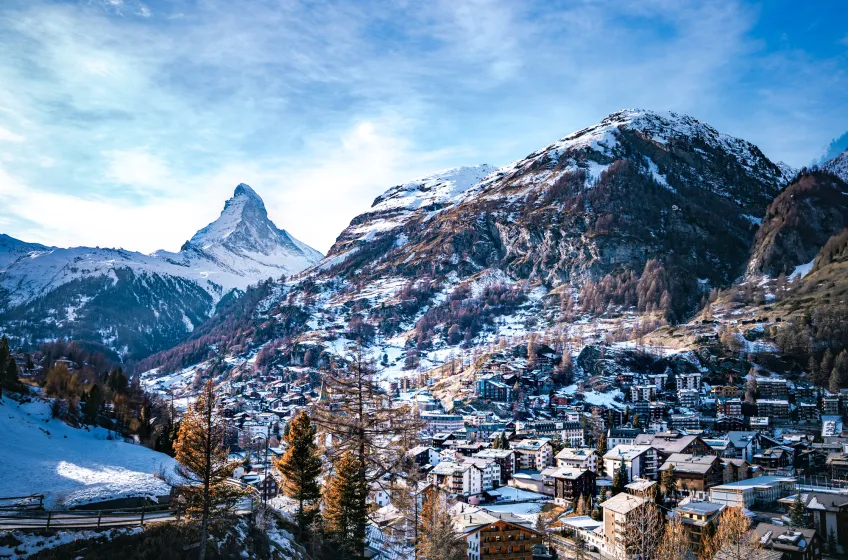
Zermatt is a world-famous alpine resort village tucked away at the far end of the Mattertal valley in the canton of Valais, southern Switzerland. Towering above it all is the iconic Matterhorn, one of the most recognisable mountains in the world, giving Zermatt its postcard-perfect backdrop. This car-free village lies at an altitude of 1,608 metres and is synonymous with high alpine adventure, pristine scenery, and a refined yet welcoming mountain culture.
Whether you’re coming for the extensive ski terrain, breathtaking hikes, glacier views, or just to bask in the peaceful charm of this alpine gem, Zermatt offers a truly unforgettable experience, all year round.
Search All Zermatt Accommodation
Pre-book Zermatt Attractions, Tours & Experiences
Why is Zermatt Worth a Visit?
Zermatt is worth visiting for its extraordinary setting, rich mountaineering heritage, and top-tier outdoor activities. There are few places in the world where you can enjoy high-altitude skiing in both summer and winter, take in some of Europe’s most dramatic mountain scenery, and stay in elegant chalets or historic inns – all without a single car engine breaking the tranquillity.
This village is a true haven for mountain lovers. Zermatt’s location at the foot of the Matterhorn gives it access to an astonishing playground of trails, lifts, glaciers, and peaks. Yet beyond the drama of the landscape, the village itself is a delight. Cobbled streets, traditional wooden chalets, and gourmet restaurants create a blend of rustic charm and modern luxury.
The town also takes sustainability seriously – it's car-free (electric vehicles and horse-drawn carriages only), and much of its energy comes from hydro and solar power. The blend of nature, sport, sustainability, and style makes Zermatt one of the crown jewels of the Alps.
Zermatt Highlights: Things to See and Do in Zermatt
The Matterhorn
Let’s start with the obvious: the Matterhorn. At 4,478 metres, this pyramid-shaped peak is one of the most iconic mountains in the world and a symbol of Switzerland itself. Whether you see it glowing at sunrise, reflected in a lake, or looming over the village, it never fails to awe. You don’t need to climb it to enjoy it – there are dozens of view points, hikes, and photo opportunities that make it accessible to all.
Gornergrat Railway
This historic cogwheel railway, operating since 1898, takes you from Zermatt up to Gornergrat (3,089 m), one of the best panoramic viewpoints in the Alps. From the top, you can see not only the Matterhorn but also the Monte Rosa massif (including Dufourspitze – Switzerland’s highest peak), the Gorner Glacier, and over 20 peaks above 4,000 metres. There’s a restaurant and observatory at the summit, and hiking trails for all abilities.
Matterhorn Glacier Paradise
Take the cable cars all the way to Klein Matterhorn, also known as the Matterhorn Glacier Paradise – Europe’s highest cable car station at 3,883 metres. The views are jaw-dropping, and on a clear day you can see across to Mont Blanc and the Italian Alps. There's a viewing platform, an ice palace inside the glacier, and skiing available all year round thanks to the high-altitude glacier terrain. A must-do for first-time visitors.
Hiking the Five Lakes Walk
One of Zermatt’s best-known summer hikes is the 5-Seenweg (Five Lakes Walk), which passes five alpine lakes – each with its own character and several offering stunning reflections of the Matterhorn. The walk is around 9.8 km and suitable for most abilities. Highlights include Stellisee (the most photographed), Grindjisee, and Leisee (great for a dip in summer). The hike can be started from Blauherd, accessible via the Sunnegga funicular and gondola.
Sunnegga and Leisee
For a family-friendly excursion or a relaxed afternoon, take the underground funicular to Sunnegga, a sunny terrace with views of the Matterhorn. Nearby Leisee is a small lake with a children’s playground, barbecue spots, and a swimming area. This area is also a great starting point for hiking and mountain biking trails, and in winter, it serves as the beginner ski area.
Zermatt Village
The village of Zermatt is a delight in itself. Completely car-free, it offers peaceful walks through its cobbled streets and historic quarters. Traditional wooden houses – many over 500 years old – sit alongside stylish boutiques, cosy cafés, and fine dining establishments. Don’t miss the Bahnhofstrasse, the main street, for shopping and people-watching, or the quaint Hinterdorf (old village) with its preserved alpine barns and chalets.
Matterhorn Museum – Zermatlantis
This underground museum gives a fascinating insight into the history of Zermatt, especially its mountaineering past. Learn about the dramatic first ascent of the Matterhorn in 1865, see original equipment from early alpinists, and explore exhibits on the development of tourism in the region. It’s small but well presented, and a great way to spend an hour or two.
Skiing and Snowboarding
Zermatt offers some of the best skiing in the Alps. The Matterhorn Ski Paradise area has over 360 km of pistes, including connections to Cervinia and Valtournenche in Italy. The slopes cater to all abilities, with wide blue runs, scenic reds, and challenging off-piste routes. The Glacier Paradise allows for year-round skiing – a rare thing in Europe. Thanks to the altitude, snow conditions are excellent from November through to late spring.
Mountain Biking
In summer, Zermatt transforms into a mountain biking hub with over 100 km of marked trails. Routes vary from gentle valley floor paths to technical singletrack descents. Bike transport is available on most lifts, and there are rentals and guides in town. The Flow Trail Sunnegga is popular for its smooth ride and great views.
Hörnli Hut (Hörnlihütte)
This mountain hut sits at the base of the Matterhorn and serves as the starting point for summit attempts. It’s also a challenging hike destination for fit walkers – the route from Schwarzsee takes about two hours each way and is steep but rewarding. The hut offers meals and drinks with a front-row seat to the mountain, and even overnight stays for adventurers.
Gorner Glacier and Monte Rosa
For glacier lovers and serious hikers, the area around Monte Rosa and the Gorner Glacier offers stunning high-mountain scenery. Guided glacier treks are available, or you can admire the view from the Gornergrat or from alpine trails like the Monte Rosa Hütte route, which combines panoramic views with modern mountain hut architecture.
Practical Advice for Visitors
Getting There
Zermatt is car-free, so private vehicles must be left in Täsch, 5 km down the valley, where there are large parking facilities and a frequent shuttle train (every 20 minutes) into the village. From Zurich or Geneva, the train journey to Zermatt takes around 3.5 hours, with a scenic final stretch on the Matterhorn Gotthard Bahn. The ride itself is part of the experience, offering spectacular mountain views and river valleys.
Getting Around
Zermatt is compact and easy to explore on foot. For longer distances or if you’re carrying gear, small electric taxis and hotel shuttles are available. There are also horse-drawn carriages for a more romantic or traditional way to get around.
Parking
Cars are not allowed in Zermatt. If driving, leave your car in Täsch and take the shuttle train. Täsch has several multi-storey car parks and open-air options, and you can even pre-book during busy periods.
Dining
Zermatt has a reputation for excellent dining, both in the village and on the mountain. For traditional fare, try Chez Vrony (Sunnegga area) or Zum See (near Furi) – both combining great food with outstanding views. For fine dining, The Omnia or After Seven (Michelin-starred) offer exceptional culinary experiences. Local dishes include raclette, fondue, rosti, and air-dried meats – often served in cosy chalet-style restaurants.
Shopping
Zermatt has plenty of shops along Bahnhofstrasse, including outdoor gear stores, luxury boutiques, chocolate shops, and Swiss watch retailers. You’ll also find charming local products like hand-carved wooden items, alpine herbal cosmetics, and regional food specialities. Don’t forget to take home a mini-Matterhorn souvenir!
When to Visit
-
Winter (Dec–Apr): Peak season for skiing and snowboarding. Snow is reliable thanks to the high altitude.
-
Summer (Jun–Sep): Best for hiking, climbing, biking, and sightseeing. Clear views of the Matterhorn are more common in summer.
-
Autumn (Sep–Oct): A quiet and beautiful time to visit, with colourful foliage and crisp air – perfect for photography and hiking.
-
Spring (Apr–May): Off-season; many lifts and hotels close, but the glacier remains open for skiing.
Local Events
-
Zermatt Unplugged (April): An acoustic music festival with intimate performances at alpine venues.
-
Folklore Festivals (Summer): Including yodelling, cow parades, and traditional Valais dancing.
-
Marathon and Trail Runs: Including the Matterhorn Ultraks trail series in August.
-
Christmas/New Year: A festive atmosphere with markets, light displays, and snowy charm.
Exploring Beyond Zermatt
From Zermatt, you can easily explore:
-
Gornergrat to Riffelalp or Rotenboden: Combine a train ride with a scenic hike.
-
Täschalp and the Europaweg: Spectacular hikes along the high route towards Grächen, including the thrilling Charles Kuonen Suspension Bridge.
-
Day Trip to Cervinia (Italy): Ski or hike across the border (passport required).
Zermatt is not just a destination – it’s an experience. Whether you’re standing in awe beneath the Matterhorn, carving down a glacier run, or enjoying raclette with a mountain view, this alpine village offers a level of wonder and beauty that stays with you long after you leave. With its blend of nature, adventure, culture, and tranquillity, Zermatt is truly one of the great jewels of the Alps.
Shortlist
- Your Shortlist is empty