
Discover Switzerland | A Visitor's Introduction to Switzerland
Recommended places to visit, places to stay and things to do throughout Switzerland
Switzerland is a landlocked alpine country at the crossroads of Central, Western, and Southern Europe, famous for its postcard-perfect scenery, impeccable public transport, and a deeply rooted sense of precision, peace, and quality. From the majestic peaks of the Alps to the crystal-clear lakes, from chocolate-box villages to dynamic cities, Switzerland offers an extraordinary range of experiences in a compact, easy-to-navigate space. Whether you're coming for skiing in the winter, hiking in the summer, or simply to enjoy the world-class chocolate and cheese, Switzerland is a country that delivers beauty and efficiency in equal measure.
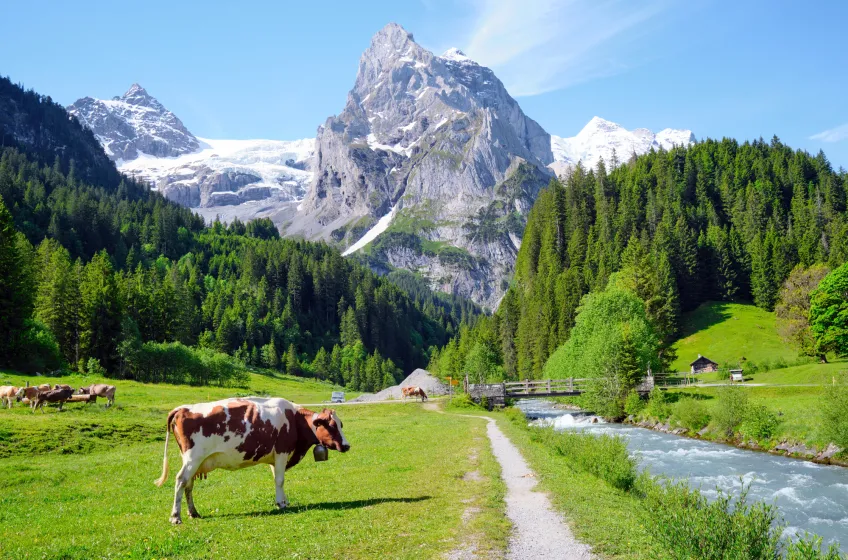
Why is Switzerland Worth a Visit?
Switzerland is worth visiting for its breathtaking landscapes, clean and efficient infrastructure, and rich cultural diversity. Despite its small size, Switzerland is incredibly varied—from the German-speaking regions of Zurich and Bern, to the French-speaking Lake Geneva area, the Italian flavour of Ticino, and the Romansh charm of Graubünden.
What sets Switzerland apart is the seamless integration of nature and civilisation. Trains glide through mountain valleys, cable cars take you up to glacier viewpoints, and the cities are spotless, safe, and filled with history. Add to this the country’s political neutrality, environmental responsibility, and multiculturalism, and it becomes clear why so many people return to Switzerland again and again.
Whether you’re interested in outdoor adventure, historic towns, wellness retreats, or culinary exploration, Switzerland offers something for every traveller, all backed by Swiss reliability and world-class hospitality.
Swiss Highlights: Things to See and Do in Switzerland
The Matterhorn and Zermatt
Switzerland’s most iconic mountain, the Matterhorn, stands tall above the ski resort of Zermatt. This jagged peak is a magnet for photographers, climbers, and skiers. Zermatt itself is car-free and accessible by train, offering a charming mix of traditional alpine chalets and high-end luxury. The Gornergrat Railway and Matterhorn Glacier Paradise provide spectacular viewing platforms and access to year-round snow.
Jungfrau Region: Interlaken, Grindelwald & Lauterbrunnen
The Bernese Oberland is arguably the most beautiful part of Switzerland, with stunning valleys, towering peaks, and dreamy alpine villages. The Jungfraujoch – Top of Europe train ride takes you to Europe’s highest railway station, while Lauterbrunnen impresses with 72 waterfalls. Grindelwald is a hub for skiing and hiking, and Interlaken is the adventure sports capital of the country—paragliding, canyoning, and more await.
Lucerne and Mount Pilatus / Mount Rigi
Lucerne, in central Switzerland, is a picture-perfect town on the shores of Lake Lucerne, with its iconic Chapel Bridge, mediaeval walls, and mountain views. From Lucerne, take a boat and cogwheel train up Mount Rigi, or ride the world’s steepest cog railway up Mount Pilatus. These peaks offer dramatic scenery, walking trails, and panoramic restaurants.
Bern
Switzerland’s capital, Bern, is often overlooked but packs a lot into a walkable and beautiful old town. The Zytglogge clock tower, 6km of covered arcades, and the winding Aare River give Bern a unique charm. Don’t miss the Bear Park, the Federal Palace, and Einstein House, where the physicist once lived. Bern is a great base for exploring the surrounding countryside, including the Emmental and Lake Thun.
Geneva and Lake Geneva
French-speaking Geneva is Switzerland’s most international city, home to the United Nations, the Red Cross, and numerous global institutions. The Jet d’Eau fountain, Old Town, and Patek Philippe Museum are popular sights. Cruise across Lake Geneva to explore the elegant town of Montreux, the Chillon Castle, and the vineyards of Lavaux, a UNESCO World Heritage Site.
Zurich
Switzerland’s largest city and economic centre, Zurich is known for its banks, but it’s also full of creative energy, with excellent museums, nightlife, and lakeside leisure. Wander through the Altstadt (Old Town), shop on Bahnhofstrasse, and swim in the Limmat River in summer. Don’t miss the Kunsthaus Zürich, Swiss National Museum, and the trendy Zurich-West district.
The Swiss Alps
The Swiss Alps stretch across the southern half of the country and include world-renowned destinations such as St. Moritz, Davos, Andermatt, and Arosa. These areas offer top-tier skiing in winter and spectacular hiking, biking, and spa experiences in summer. Graubünden is particularly rich in alpine culture, with Romansh villages, thermal baths, and quiet trails.
The Glacier Express
One of the most scenic train journeys in the world, the Glacier Express connects Zermatt and St. Moritz in about 8 hours. Along the way, it crosses 291 bridges, 91 tunnels, and the dramatic Oberalp Pass, all while offering panoramic windows and luxury service. A must for train lovers and scenery seekers.
Ticino and the Italian-Speaking South
Ticino is Switzerland’s Italian-speaking canton, with palm-lined lakes, Mediterranean architecture, and a laid-back lifestyle. Visit Lugano for lake views and shopping, Bellinzona for its castles, and Locarno for its international film festival. Don’t miss the Verzasca Valley with its emerald river and stone villages.
Lausanne and the Olympic Museum
Perched on the northern shore of Lake Geneva, Lausanne is home to the International Olympic Committee and the excellent Olympic Museum, which is well worth a visit even for non-sports fans. The city is built on several levels, with elegant old streets, a vibrant student population, and great access to the Lavaux wine terraces.
Appenzell and Eastern Switzerland
For a more traditional slice of Swiss life, Appenzell offers rolling green hills, painted wooden houses, and cheese-making tours. The Säntis mountain and Alpstein range provide rugged hiking terrain, and the region is full of folklore and living traditions like yodelling and alpine cattle descents.
Practical Advice for Visitors
Getting There
Switzerland has several international airports:
-
Zurich (ZRH) – Main hub, well connected across Europe and the world.
-
Geneva (GVA) – Ideal for western Switzerland and Lake Geneva.
-
Basel (BSL) – Serves the tri-border area of France, Germany, and Switzerland.
-
Bern (BRN) and Lugano (LUG) – Smaller, with limited service.
All major cities are linked by fast, reliable train services. The Swiss Federal Railways (SBB/CFF/FFS) offers comprehensive service, and the Swiss Travel Pass gives unlimited travel on trains, boats, buses, and trams for 3 to 15 consecutive days.
Getting Around
Switzerland’s public transport is world-famous for its punctuality and coverage. The Swiss Travel System connects even remote villages and mountain resorts. Trains, funiculars, cable cars, and boats are often integrated into single travel plans.
Driving is possible and scenic, but mountain roads can be narrow and winding. A vignette (toll sticker) is required for motorways.
Currency
Switzerland uses the Swiss Franc (CHF). Euros are accepted in some tourist areas, but you’ll usually get change in francs. Credit and debit cards are widely accepted, and cash machines are plentiful.
Language
Switzerland has four official languages:
-
German (spoken in Zurich, Bern, Lucerne, Basel)
-
French (Geneva, Lausanne, Montreux)
-
Italian (Ticino region)
-
Romansh (Graubünden – a small minority)
English is widely spoken in cities and tourist areas.
Dining
Swiss cuisine varies by region but includes:
-
Fondue and raclette (melted cheese dishes)
-
Rösti (fried grated potatoes)
-
Zürcher Geschnetzeltes (creamy veal)
-
Basler Läckerli (spiced biscuits)
-
Ticinese risotto and Mediterranean-inspired dishes
Restaurants can be expensive. Look for lunch menus (Tagesmenü/Menu du jour) for better value, or eat at Coop or Migros supermarkets for affordable hot meals and sandwiches.
Tipping
Tipping is not required but appreciated. Rounding up or leaving 5–10% in restaurants is customary if service was good.
Safety
Switzerland is one of the safest countries in the world. Petty crime is rare, and public transport is safe even late at night.
When to Visit
-
Spring (April–June): Flowers bloom, alpine meadows are green, and temperatures are mild.
-
Summer (July–August): Best for hiking, festivals, and lake swimming. Popular and busy.
-
Autumn (September–October): Wine harvests, fewer crowds, and gorgeous colours.
-
Winter (December–March): Ski season! Christmas markets and snow-covered villages.
Local Events
-
Fête de l’Escalade (Geneva, December): Celebrates a 1602 battle with chocolate pots and parades.
-
Montreux Jazz Festival (July): One of Europe’s premier music festivals.
-
Zibelemärit (Bern Onion Market, November): A charming folk festival.
-
Locarno Film Festival (August): Celebrates international cinema in a lakeside setting.
-
La Désalpe (September): Cows descend from the mountains in decorated processions, especially in Gruyères and Appenzell.
Exploring Beyond the Highlights
If you’ve ticked off the big cities and mountains, consider exploring:
-
Lauterbrunnen & Wengen: Unspoiled mountain villages.
-
Schaffhausen & Rhine Falls: Europe’s biggest waterfall.
-
Valais: Vineyards, glaciers, and thermal spas.
-
Aletsch Arena: UNESCO-listed glacier walks.
-
Engadin Valley: Untouched alpine landscapes with pristine lakes and Romanesque villages.
Switzerland offers a travel experience that feels almost surreal in its beauty and efficiency. Whether you're riding a cogwheel train up a mountain, sipping wine beside a lake, or browsing through a mediaeval Old Town, the country leaves an impression of calm, order, and awe. With four languages, countless cultures, and some of the best natural scenery on Earth, Switzerland is much more than clocks and chocolate—it’s an unforgettable journey through the heart of Europe.
Shortlist
- Your Shortlist is empty