
Discover Midi-Pyrénées | A Visitor's Introduction to Midi-Pyrénées
Recommended places to visit, places to stay and things to do in Midi-Pyrénées
Midi-Pyrénées was once the largest region in metropolitan France, encompassing a vast and varied territory of mountains, rolling countryside, historic towns, and gastronomic treasures. Though officially merged into Occitanie in 2016, the name “Midi-Pyrénées” still evokes a romantic and rugged part of south-western France, bordered by Spain and Andorra to the south and blessed with both sunshine and scenery.
Midi-Pyrénées offers a glorious blend of medieval bastides, soaring peaks, wild rivers, and rustic villages. It’s the ultimate destination for those seeking authentic France—with warm hospitality, ancient history, and open-air adventure in equal measure.
Includes the départements: Ariège Aveyron Gers Haute-Garonne Hautes-Pyrénées Lot Tarn Tarn-et-Garonne
Recommended Midi-Pyrénées accommodation: All Hotels 4&5 Star Luxury Hotels Chateau Hotels Budget Hotels Family-Friendly Hotels Spa & Wellness Hotels Bed & Breakfasts

Why is Midi-Pyrénées Worth a Visit?
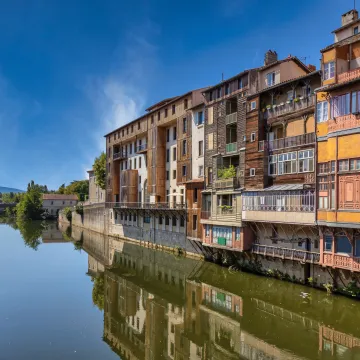
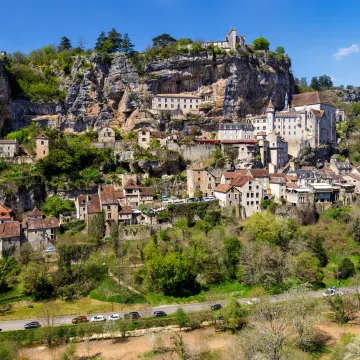
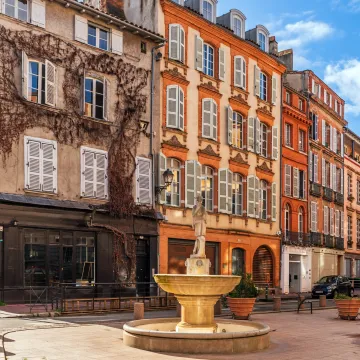
Midi-Pyrénées is worth visiting for its extraordinary diversity, unspoilt landscapes, and timeless charm. From the snow-capped Pyrenees in the south to the vine-covered hills of the Lot, the region delivers unforgettable experiences at every turn. It is a paradise for walkers, cyclists, food lovers, history buffs, and anyone yearning for space and quiet beauty.
The region boasts three UNESCO World Heritage Sites—the Pont Valentré in Cahors, the Basilica of Saint-Sernin in Toulouse, and the routes of the Camino de Santiago. Its towns and villages range from dramatic hilltop fortresses to peaceful market towns. And with a culinary repertoire that includes duck confit, Roquefort cheese, cassoulet, and robust regional wines, it’s a dream for anyone who travels with their tastebuds.
Despite its wealth of attractions, the Midi-Pyrénées remains largely untouched by mass tourism, giving it a laid-back, welcoming character that is hard to find elsewhere.
age—don’t miss them for the freshest seasonal fare.
Practical Advice for Visitors
Getting There
By Train:
-
Toulouse is the main rail hub, with TGV connections from Paris (4h30)
-
Regional TER trains link Toulouse to Albi, Cahors, Foix, Lourdes, and Tarbes
By Car:
To explore rural areas and villages, a car is essential. The A20, A62, and A64 motorways connect the region, but expect slower roads in mountain or rural zones.
By Air:
-
Toulouse-Blagnac Airport offers international flights
-
Tarbes-Lourdes and Rodez airports serve regional destinations
Getting Around
Public transport is limited outside major towns. Hiring a car offers the best flexibility, especially for reaching remote villages, castles, and natural parks.
Cycling is a popular option in flatter areas like the Gers, and hiking trails crisscross the Pyrenees and Causses.
When to Visit
-
Spring (April–June): Ideal for wildflowers, walking, and fewer crowds
-
Summer (July–August): Warm weather, lively markets, and festivals—also the busiest time
-
Autumn (September–October): Stunning foliage, grape harvests, and food festivals
-
Winter (December–March): Great for skiing in the Pyrenees and peaceful cultural visits
Local Events
-
Jazz in Marciac (Gers, August): International jazz festival in a village setting
-
Fête de la Transhumance (Ariège and Hautes-Pyrénées): Celebrating seasonal sheep migration
-
Toulouse’s Printemps du Rire – comedy and culture festival
-
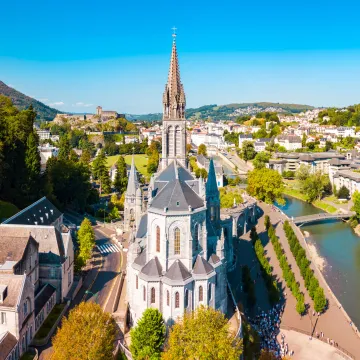
Lourdes candlelight processions (April–October): Daily spiritual gatherings
-
Medieval festivals in towns like Cordes-sur-Ciel, Najac, and Foix
-
Feria in Vic-Fezensac – Spanish-style bullfighting and music festival
Exploring Beyond Midi-Pyrénées
-
Andorra – mountain shopping and skiing
-
Carcassonne (Occitanie) – medieval walled city
-
Basque Country – a few hours west for sea and surf
-
Languedoc vineyards and Mediterranean coast to the east
-
Spanish Pyrenees for trans-border hiking adventures
Midi-Pyrénées is a land of deep roots, high peaks, and generous tables. It invites you to slow down, savour its flavours, trace its ancient paths, and connect with a France that’s earthy, elegant, and incredibly welcoming. Whether you're strolling through a sun-warmed bastide or watching the sun set over the mountains from a hilltop chapel, this is a region that speaks to the soul—quietly, but powerfully.