
Discover Castres | A Visitor's Introduction to Castres
Castres is a charming town in the Tarn department of southern France, in the Occitanie region. Known for its picturesque riverside houses, historical architecture, and a rich cultural heritage, this small town offers a delightful blend of nature, history, and tradition. A hidden gem in the South of France, Castres is a perfect destination for lovers of art, history, and peaceful countryside escapes. With its welcoming atmosphere and slow-paced charm, Castres offers visitors a chance to explore authentic French life away from the well-trodden tourist trail.
Recommended Castres Accommodation: Hotels
Why is Castres Worth a Visit?
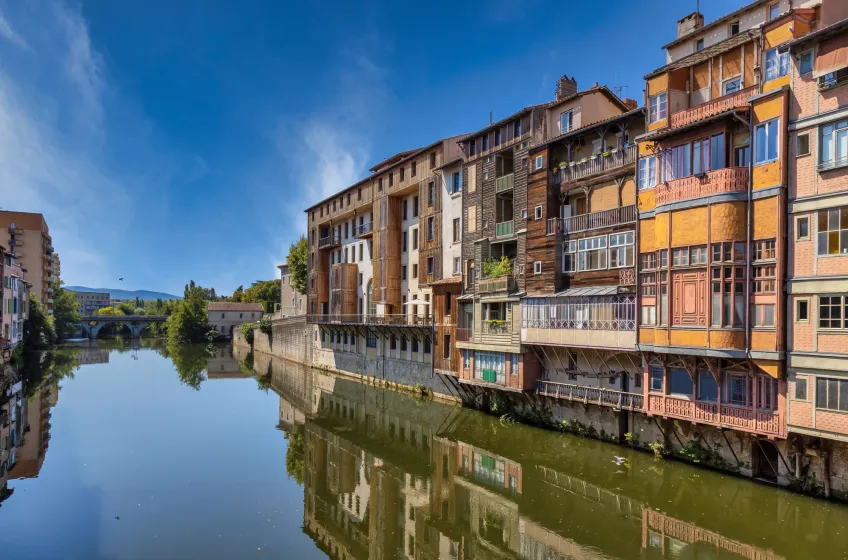
Castres is worth visiting for its unique combination of medieval charm, natural beauty, and cultural richness. Set along the River Agout, the town boasts colourful houses that hang over the water—remnants of its past as a thriving textile hub. The atmosphere here is relaxed and genuine, with cobbled streets, friendly locals, and a strong connection to its Occitan roots.
Home to one of France’s most impressive art collections outside Paris, the Goya Museum, and with easy access to the Montagne Noire (Black Mountain), Castres is a town that surprises and delights. Whether you're exploring its historic centre, enjoying a lazy afternoon at a riverside café, or setting off on a hike in the nearby hills, Castres delivers an experience that’s both enriching and rejuvenating.
Castres Highlights: Things to See and Do in Castres
Goya Museum (Musée Goya)
Housed in the former Bishop's Palace designed by Jules Hardouin-Mansart (of Versailles fame), the Goya Museum is the jewel of Castres. It features the largest collection of Spanish art in France after the Louvre, including works by Goya, Velázquez, and Zurbarán. The museum's impressive setting and peaceful gardens only enhance the viewing experience. Art lovers shouldn’t miss this extraordinary cultural treasure.
The Bishop’s Palace Gardens (Jardin de l'Évêché)
Designed by André Le Nôtre, the landscape architect behind the gardens at Versailles, these classical French gardens are a peaceful retreat in the heart of Castres. The manicured hedges and symmetrical patterns create a perfect backdrop for a quiet stroll or a picnic. The gardens also offer scenic views over the River Agout and the town’s iconic riverside houses.
The Agout Riverside Houses
Perhaps the most photographed feature of Castres, these colourful half-timbered houses once belonged to tanners and weavers. They cling to the edge of the River Agout, their balconies and wooden galleries suspended above the water. Take a boat trip or simply enjoy a walk along the riverbanks to take in the charming views. Evening light especially brings out their beauty.
Castres Old Town
Wandering the narrow streets of the old town reveals a world of cobblestone alleys, 17th-century townhouses, and delightful little squares. Place Jean Jaurès, named after the town’s most famous son, is a great place to sit with a coffee and watch the world go by. The old quarter is perfect for aimless strolling, shopping in boutique stores, and soaking up the local atmosphere.
Jean Jaurès Museum
Located in the birthplace of Jean Jaurès, one of France’s great political thinkers and a prominent socialist leader, this museum tells the story of his life and ideals. With original artefacts and engaging displays, it's a must for history enthusiasts interested in the social and political movements of the early 20th century.
Saint Benoît Cathedral
This impressive 17th-century cathedral dominates the town’s skyline. Inside, you'll find beautiful stained-glass windows, ornate woodwork, and a sense of calm that invites reflection. It’s a key stop on any walking tour of the historic centre and is often used for concerts and local events.
The Castres Market
Held on Tuesday, Thursday, and Saturday mornings in Place Jean Jaurès, the market is a lively affair where you can sample local cheeses, cured meats, fresh produce, and baked goods. This is the place to soak up the town’s daily rhythm and perhaps gather supplies for a picnic in the gardens.
The Travet District
A lesser-known but charming area of Castres, the Travet district features quaint houses, hidden courtyards, and artisan workshops. It’s a good area to explore on foot if you enjoy discovering quiet corners away from the more touristy spots.
Parc de Gourjade
Just a short walk from the town centre, this large park offers open green space, walking trails, picnic areas, and even a golf course. It’s popular with locals and great for families or those looking for a relaxing afternoon in nature.
Le Sidobre
About a 20-minute drive from Castres, the Sidobre is a granite plateau famous for its bizarre rock formations and magical forest trails. It’s ideal for hiking, photography, and escaping into nature. Many of the rock shapes have names and legends attached, making it a fun and mystical experience.
Practical Advice for Visitors
Getting There
Castres is accessible by train and road. The nearest major airport is Toulouse-Blagnac, about 1.5 hours away by car or shuttle. There is also a small airport in Castres-Mazamet with limited regional flights. Trains run from Toulouse and Mazamet, with scenic views along the way. If you’re driving, the journey from Toulouse takes just over an hour via the D612.
Parking
There’s ample parking in and around the town centre, with several free and paid car parks. The Quai Miredames and the underground car park near Place Jean Jaurès are both convenient options. During market days and festivals, spaces can fill up quickly, so arriving early is advised.
Dining
Castres has a vibrant dining scene that blends traditional southern French cuisine with modern influences. For local specialities, try La Table du Sommelier, known for creative dishes using regional produce. Les Mets Tissés offers elegant dining in a stylish setting, while L'Escurial is great for classic bistro fare. For a casual bite, the cafés along the river or in Place Jean Jaurès serve excellent charcuterie plates, sandwiches, and pastries. Don’t miss the local cassoulet or a glass of Gaillac wine.
Shopping
While Castres isn’t a major shopping hub, it’s home to charming boutiques, art galleries, and specialty food shops. Rue Villegoudou and Rue Emile Zola are good streets for browsing local fashion, books, and artisan products. Be sure to stop by the covered market (Halle de l’Albinque) for gourmet treats, including local cheeses, honey, and charcuterie.
When to Visit
The best time to visit Castres is from late spring to early autumn (May to September), when the weather is warm and events are in full swing. July and August are the busiest months, but also the liveliest, with open-air concerts and night markets. Spring brings colourful flowers to the gardens, while autumn is quieter and perfect for countryside walks.
Local Events
Festival des Fanfares in June fills the streets with music as brass bands from all over Europe perform. The Festival de Théâtre de Rue in August brings street performers, plays, and circus acts to the town. In winter, the Christmas Market transforms the town centre with lights, festive stalls, and ice skating. Each event adds a special charm and offers a great way to experience local culture.
Exploring Beyond Castres
Just 30 minutes away lies Lautrec, a beautiful medieval village known for its pink garlic and panoramic views. A bit further is Albi, a UNESCO World Heritage city famous for its brick cathedral and the Toulouse-Lautrec Museum. Nature lovers should head to the Montagne Noire for walking trails, lakes, and stunning landscapes. Mazamet, with its dramatic footbridge over a gorge and its religious heritage, is also well worth a visit.
Castres may not be as famous as its larger neighbours, but it more than holds its own with its blend of art, history, and serene beauty. It’s the kind of place that welcomes you in gently, but stays with you long after you’ve left. Whether you're a culture buff, a nature lover, or simply seeking a peaceful break in a genuine French town, Castres delivers in style.
Shortlist
- Your Shortlist is empty