
Discover Tarn-et-Garonne | A Visitor's Introduction to Tarn-et-Garonne
Tarn‑et‑Garonne is a scenic department in Occitanie, southern France, defined by its river valleys, rolling hills, medieval bastides and gastronomic treasures. With its mix of riversides, limestone plateaux, orchards and vineyards, it’s perfect for fans of history, food, outdoor adventures and slow-paced exploration.
Recommended Tarn-et-Garonne Accommodation: Hotels
Why is Tarn‑et‑Garonne Worth a Visit?
Tarn‑et‑Garonne shines for its stunning diversity—stretching from the rugged gorges of the Aveyron to picturesque medieval villages and fertile plains where melon and grape orchards flourish. History is woven throughout its charming bastide towns and abbeys. The local culture is deeply rooted in traditional cuisine like foie gras, Quercy melon and Chasselas grapes, alongside a heritage of artisan crafts. Whether you’re paddling down the river, strolling through markets, or climbing to hilltop vantage points, it offers a tranquil yet richly rewarding experience beyond the usual tourist trail.
Tarn-et-Garonne Highlights: Things to See and Do in Tarn‑et‑Garonne
Bruniquel
Perched dramatically above the Gorges de l’Aveyron, Bruniquel is a dual‑castle village famed for its medieval charm. Wander through its stone lanes and marvel at the old and new castles, or take part in themed walking and riding trails around the gorge rims.
Saint‑Antonin‑Noble‑Val
Tucked into a river gorge, this cliffside village is full of rustic character. Explore its bustling Sunday market, drift down the river in a canoe and soak in the authentic ambience of limestone alcoves and falcon‑nest cliffs.
Moissac and the Abbey of Saint‑Pierre
This riverside town is home to a magnificent Romanesque abbey whose intricately carved cloister is part of the Santiago de Compostela pilgrimage route. Stroll along the Canal de Garonne and sample the renowned Chasselas de Moissac grapes during harvest season.
Montauban
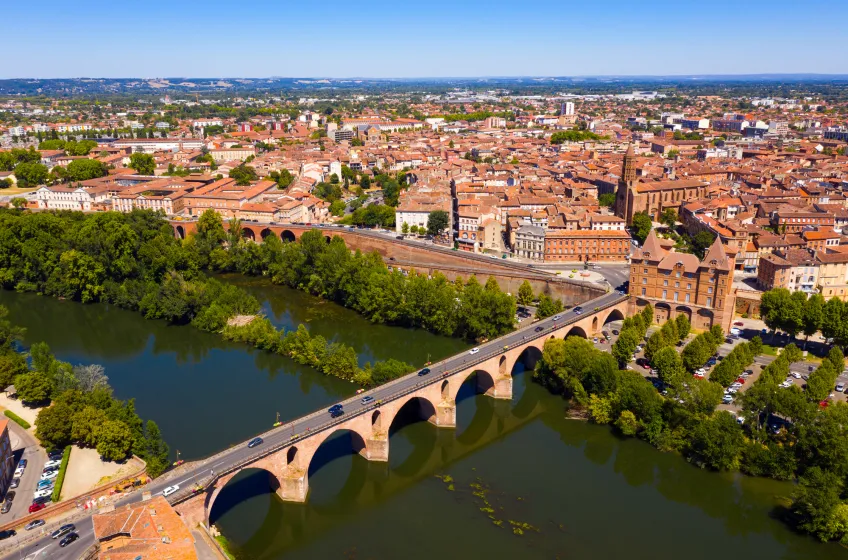
As the department’s capital, Montauban has grand plazas, elegant arcades and museums dedicated to Ingres and natural history. Wander its riverside streets and join on guided strolls to uncover its art, architecture and Huguenot past.
Auvillar
Named one of France’s most beautiful villages, Auvillar boasts a unique circular grain market hall, charming medieval streets and a riverside dock. It also offers museums dedicated to faïence ceramics and river‑boat life, plus sweeping views across the Garonne.
Lauzerte
This hilltop bastide sits in the Quercy Blanc region. Admire its ancient stone walls, historic church and vibrant artisan community. Visit in spring for flower festivals and summer potter markets.
Montricoux
Known as the gateway to the Aveyron gorges, this former Knights Templar stronghold has half‑timbered houses, a 13th‑century donjon and a museum of painter Marcel Lenoir. The village perches prettily on the Aveyron River.
Montpezat‑de‑Quercy
A beautifully preserved village featuring a 14th‑century church with stunning tapestries. Its straight, medieval lanes and peaceful ambience are ideal for relaxed walks and discovering rural heritage.
Brassac‑sur‑Aveyron
Dominated by a fortified château set on the river’s edge, Brassac carries centuries of aristocratic history. The château is open to the public and provides a window into medieval life in the borderlands of Quercy and Agenais.
Practical Advice for Visitors
Getting There
Tarn‑et‑Garonne is well‑served by the A62 and A20 motorways, linking Toulouse, Bordeaux and Paris. The TGV Paris–Toulouse stops at Montauban, and Toulouse‑Blagnac Airport is about 45 minutes away by car. While some towns have bus or regional train connections, hiring a car is highly recommended to explore the rural areas freely.
Parking
In larger towns like Montauban, Moissac and Auvillar, public car parks are plentiful and easy to use. In smaller villages or hillside sites like Lauzerte and Bruniquel, park at designated spaces on the outskirts and enjoy a short walk to the centre—consider parking early during market days or festivals for convenience.
Dining
Tarn‑et‑Garonne is a food lover’s delight. Expect menus boasting foie gras, duck confit, AOC Chasselas grapes and sweet Quercy melon. Try local farmhouse cheeses, pastel-infused pastries or seasonal fruits. Most villages feature convivial auberges and weekly markets offering fresh regional produce.
Shopping
The region affords authentic shopping experiences—look out for fresh fruits, vegetables, cheeses, cured meats and wicker goods. Artisan workshops in villages such as Lauzerte and Auvillar sell pottery, regional crafts and antiques. Moissac’s Sunday market is a standout for culinary rather than tourist treats.
When to Visit
Late spring to early autumn (May–October) is ideal, offering warm weather, lively markets and harvest events. Summers bring vibrant festivals and river activities, though peak season can be busy. Winters are quieter and calmer—perfect for visiting abbeys and castles in peace, but some attractions may close earlier.
Local Events
The Moissac Chasselas Festival in September celebrates the grape harvest with tastings and tours. In summer, many bastides host artisan markets, medieval fairs and open‑air concerts. Auvillar and Lauzerte feature seasonal flower and pottery festivals. Keep an eye out for riverside night‑markets during the high season.
Exploring Beyond Tarn‑et‑Garonne
The Millau Viaduct in Aveyron is reachable in just over an hour and offers a striking modern counterpoint to medieval villages. Nature‑lovers can head north into the Cévennes or south towards the Pyrenees. A day‑trip to Toulouse offers urban contrast with its cuisine, culture and architecture.
Tarn‑et‑Garonne is a hidden treasure of rural France, woven from rivers, history and traditions. Its hilltop bastides, fertile orchards and peaceful waterways reward those who take time to discover its quieter charms—one village, market and meal at a time.
Shortlist
- Your Shortlist is empty