
Discover Rocamadour | A Visitor's Introduction to Rocamadour
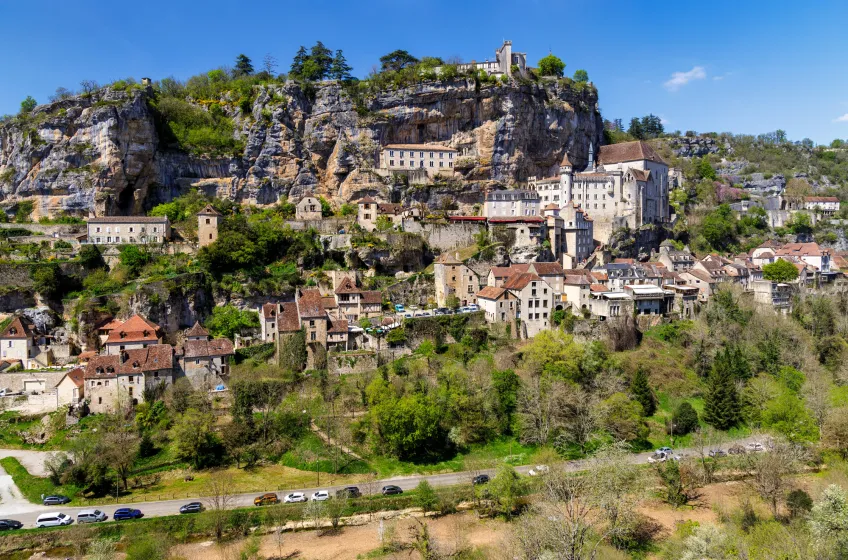
Rocamadour is one of France’s most iconic and dramatic villages, perched on a sheer limestone cliff above the Alzou canyon in the Lot department of southwest France. Known for its breathtaking setting, religious heritage, and medieval architecture, Rocamadour seems to cling impossibly to the rock face, drawing visitors from around the world. Part pilgrimage site, part fairy-tale village, and entirely unforgettable, Rocamadour offers a unique blend of history, spirituality, and natural beauty.
Recommended Rocamadour Accommodation: Hotels
Why is Rocamadour Worth a Visit?
Rocamadour is worth visiting for its extraordinary cliffside location and profound historical and religious significance. For centuries, it has been a major stop on the pilgrimage route to Santiago de Compostela, revered for the Sanctuary of the Blessed Virgin Mary and the Black Madonna, a statue believed to have miraculous powers. But even beyond its spiritual allure, the village is a marvel of medieval construction and scenic drama.
Its narrow streets, staircases, chapels, and defensive walls tell stories of faith, endurance, and architectural ingenuity. And with panoramic views over the Alzou valley, Rocamadour is as visually stunning as it is historically important. Whether you’re coming to admire the heritage, seek a moment of reflection, or simply take in the views, Rocamadour leaves a deep and lasting impression.
Rocamadour Highlights: Things to See and Do in Rocamadour
The Sanctuary of Rocamadour
At the heart of the village lies the Sanctuary of Rocamadour, a complex of religious buildings nestled into the rock halfway up the cliff. Pilgrims and visitors reach it via the Grand Escalier, a staircase of 216 steps traditionally climbed on one’s knees. The site includes several chapels, the most famous being the Chapelle Notre-Dame, home to the Black Madonna, a small 12th-century statue carved from walnut wood.
Above the sanctuary is the Basilique Saint-Sauveur, a UNESCO-listed church with a beautiful vaulted nave. The spiritual atmosphere here is powerful, particularly during religious festivals or quiet early mornings.
The Black Madonna
This small but deeply venerated statue is the emotional centre of Rocamadour. Legend says it was carved by Saint Amadour himself and has performed many miracles over the centuries. Positioned in the Chapelle Notre-Dame, the Black Madonna continues to draw pilgrims from around the world and remains a focal point of devotion.
The Grand Escalier
The Grand Staircase leading up to the sanctuary is not just a path—it's part of the experience. Many pilgrims climb it as an act of penance or spiritual reflection. Even for the non-religious visitor, ascending these steps offers a unique journey through centuries of history, and the view from the top is well worth the effort.
The Château and Ramparts
Towering above the religious complex is the Château de Rocamadour, built to defend the sanctuary from attack. While the château itself is not open to the public, the ramparts can be accessed and offer spectacular views over the village and surrounding canyon. The Way of the Cross (Chemin de Croix), a path lined with stations of the cross, leads up from the sanctuary to the château and makes for a peaceful, contemplative walk.
The Medieval Village
Rocamadour’s lower village is a single narrow street—Rue de la Couronnerie—lined with shops, restaurants, and ancient stone buildings. Despite the tourism, it retains a charming character. Wander through archways like the Porte Salmon and Porte du Figuier, admire the old houses with their tiled roofs and wooden balconies, and soak up the medieval atmosphere.
The Rocamadour Lift
For those less inclined to climb, Rocamadour has two lifts: a vertical lift from the lower village to the sanctuary and a funicular from the sanctuary to the château level. While they don’t replace the traditional experience of climbing the stairs, they’re a handy option, especially in summer heat or for those with mobility issues.
Durandal Show and Monkey Forest
Just outside the village are two unique family attractions. La Forêt des Singes (Monkey Forest) allows visitors to walk among free-roaming Barbary macaques in a forest setting. Nearby, Rocher des Aigles offers bird of prey demonstrations with eagles, vultures, and owls flying over the canyon.
For something different, the Durandal Show, a theatrical performance with horses and sword fighting, brings medieval legends to life in an engaging and humorous way.
Gouffre de Padirac
Just 15 km from Rocamadour, the Gouffre de Padirac is one of France’s most spectacular caves. Visitors descend into a massive chasm and take a boat along an underground river to explore vast caverns adorned with stalactites and otherworldly rock formations. It’s an ideal complement to a visit to Rocamadour and makes for a full day of awe-inspiring sightseeing.
Rocamadour Cheese
Don’t miss the chance to try Rocamadour AOP cheese, a soft goat’s cheese that is creamy, delicate, and utterly delicious. It’s perfect with a glass of local Cahors wine or fresh bread from the village boulangerie. Many local farms and markets in the region sell it, often freshly made and ready to take home.
Practical Advice for Visitors
Getting There
Rocamadour is located in the Lot department, around 2.5 hours north of Toulouse and 2 hours from Brive-la-Gaillarde. The closest train station is Rocamadour–Padirac, about 3 km from the village, with connections to Brive, Cahors, and Toulouse, though service is limited.
The best way to visit Rocamadour is by car, allowing flexibility to explore the surrounding region. The drive through the Causses du Quercy is scenic, and many car parks are available on the outskirts of the village.
Parking
During peak times, the village is closed to through traffic. Visitors must park in designated areas and either walk or take the shuttle bus to the site. P4 is a popular lot for day visitors and has access to the lower village. Alternatively, parking is available near the château if you're starting from the top and walking down. Arrive early, especially in summer or on weekends.
Dining
Rocamadour offers a range of restaurants, from creperies and snack bars to more refined dining. Try Le Belvédère, located at the top of the cliff, for incredible views while you dine, or L’Esplanade, which offers regional cuisine with style.
Traditional local dishes include duck confit, cassoulet, and of course, Rocamadour cheese. Many restaurants offer menus terroir—fixed-price meals highlighting local ingredients.
Shopping
The village’s shops cater largely to visitors but still offer quality local products. Look for artisan cheese, walnut liqueur, duck pâté, honey, and handcrafted religious items. Local markets in nearby towns like Gramat and Souillac provide more opportunities to buy from regional producers.
When to Visit
Spring (April–June) and autumn (September–October) are the best times to visit, with mild weather and fewer crowds. Summer brings large numbers of tourists, particularly during festivals and religious celebrations, but the village remains magical at quieter times of day (early morning and evening).
Visiting during religious events like Ascension or the Feast of the Assumption (15 August) can be spiritually moving but expect very large crowds.
Local Events
Rocamadour hosts a number of religious and cultural events throughout the year. The Rocamadour Sacred Music Festival in August features classical concerts performed in the sanctuary, with incredible acoustics and atmosphere.
Religious pilgrimages and torchlight processions take place regularly from Easter through to October. Check local schedules for details.
Exploring Beyond Rocamadour
The Causses du Quercy Regional Natural Park surrounds the village and is ideal for hiking, cycling, and nature spotting. Combine your visit with trips to Saint-Cirq-Lapopie, Cahors, Figeac, and the Gouffre de Padirac, all within a short drive. Nearby Gramat also offers a wildlife park and a taste of rural life in the Lot.
Rocamadour is more than a village—it’s an experience etched into the cliffs and hearts of those who visit. Whether you’re drawn by faith, fascinated by history, or simply in search of stunning scenery, Rocamadour offers something truly unique. It’s a place where stone meets sky, where the past feels vividly alive, and where every view is postcard-perfect. A visit here is not easily forgotten—it lingers, like the echo of a chapel bell in the stillness of a sacred canyon.
Shortlist
- Your Shortlist is empty