
Discover Tarn | A Visitor's Introduction to Tarn
Tarn is a picturesque and culturally rich department in the Occitanie region of southern France. Characterised by its red-brick towns, rolling vineyards, deep river gorges and medieval hilltop villages, Tarn offers a charming and authentic French experience. Whether you're interested in historic architecture, scenic hikes, fine regional cuisine or simply soaking up rural tranquillity, Tarn caters to a wide range of interests. Its blend of history, nature and understated elegance makes it an ideal destination for relaxed and meaningful travel.
Recommended Tarn Accommodation: Hotels
Why is Tarn Worth a Visit?
Tarn is a place where heritage and nature go hand in hand. This is a region that invites exploration, from the dramatic cliffs of the Gorges du Tarn to the quiet cobbled streets of Lautrec and Cordes-sur-Ciel. The area is steeped in history, with beautifully preserved bastide towns, Romanesque churches, and Gothic cathedrals. Food and wine are central to life here, with local specialities proudly served in family-run bistros and markets that are as lively as they are delicious.
The slower pace of life in Tarn makes it perfect for travellers looking to escape busy city breaks. There's a deep sense of local identity and tradition, whether it’s in the annual garlic festival in Lautrec or the family vineyards of Gaillac. From wandering through centuries-old streets to hiking forest trails or enjoying long lunches overlooking sunflower fields, Tarn offers a rich and satisfying experience.
Tarn Highlights: Things to See and Do in Tarn
Albi and the Toulouse-Lautrec Museum
Albi is the cultural heart of Tarn and a UNESCO World Heritage Site. Its most iconic feature is the immense Sainte-Cécile Cathedral, the largest brick cathedral in the world. Its striking Gothic exterior gives way to a richly painted interior, filled with frescoes and intricate carvings. Adjacent to the cathedral is the Toulouse-Lautrec Museum, set within the historic Palais de la Berbie. The museum houses the world’s most extensive collection of works by the artist, who was born in Albi.
Gorges du Tarn
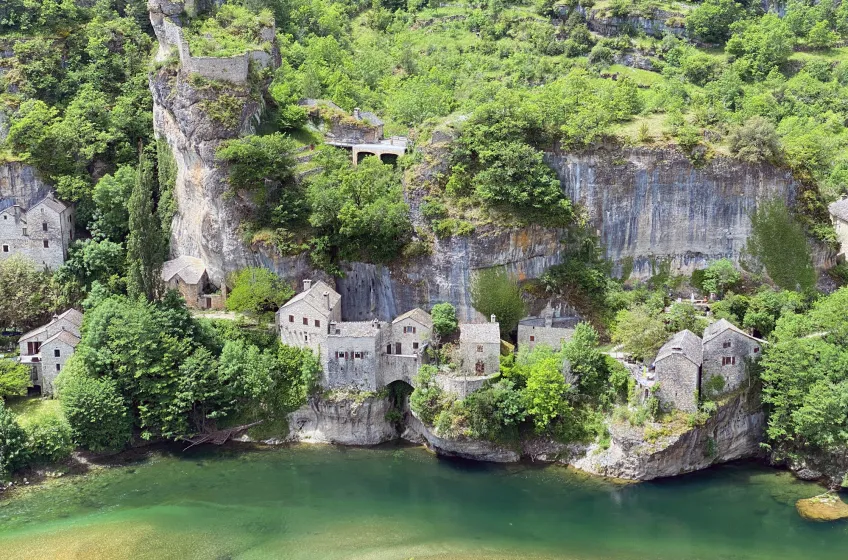
The Gorges du Tarn is a spectacular natural wonder formed by the Tarn River carving through limestone cliffs. The result is a dramatic landscape of deep canyons, sheer rock faces and crystal-clear waters. It’s a haven for outdoor activities such as kayaking, hiking, and climbing. The winding roads and hiking trails offer breathtaking views at every turn, and there are plenty of picturesque villages along the way where you can pause and soak in the surroundings.
Lautrec and the Garlic Festival
Lautrec is a delightful medieval village famed for its pink garlic, a local delicacy with a Protected Geographical Indication. The village itself is beautifully preserved, with winding streets, timber-framed houses, and a traditional windmill offering panoramic views. Lautrec also boasts a working clog workshop, reflecting its artisanal heritage. Each August, the Garlic Festival draws crowds with stalls, food, music and a vibrant celebration of rural life.
Cordes-sur-Ciel
Cordes-sur-Ciel is one of the most enchanting towns in France. Perched high on a hill, it seems to float above the clouds on misty mornings. The town is a masterpiece of medieval architecture, with cobbled lanes, Gothic buildings and artisan shops lining its steep streets. It’s an atmospheric place that invites slow exploration, and the views from the top are well worth the climb.
Gaillac Vineyards and Wine Tours
The Gaillac wine region is one of the oldest in France, known for its diverse and characterful wines. The landscape is dotted with family-run vineyards and historic wine estates, many of which are open to visitors for tastings and tours. From robust reds to crisp whites and sparkling varieties, Gaillac wines reflect the terroir and tradition of the region. Touring the vineyards is a leisurely way to enjoy the countryside and sample the best of local flavours.
Le Sidobre and the Black Mountain
Le Sidobre is a fascinating granite landscape located in the Montagne Noire, or Black Mountain. The area is scattered with massive boulders and rock formations shaped by erosion into strange and whimsical forms. Trails wind through pine forests and meadows, offering peaceful walks and surprising sights around every corner. It’s an excellent destination for nature lovers and photographers alike.
Jardins des Martels
The Jardins des Martels is a stunning botanical garden near Giroussens. Spanning several hectares, it features themed flower gardens, tropical greenhouses, ponds, and even a small petting zoo. The gardens are particularly vibrant in spring and summer and provide a tranquil and colourful retreat for families and garden enthusiasts.
Chemin de Fer Touristique du Tarn
This miniature steam railway runs between Saint-Lieux-lès-Lavaur and the Jardins des Martels, making it an ideal pairing for a day out. The train journey passes through rural scenery and flower-filled fields, offering a nostalgic and charming experience. It’s especially popular with children and those who enjoy vintage transport.
Cap’Découverte
Cap’Découverte is an adventure park built on a former mining site and now serves as a recreational hub. Visitors can try zip-lining, mountain biking, summer tobogganing, and even an artificial ski slope. The park also features a mining museum and hosts events throughout the year, making it a versatile and fun stop for families and active travellers.
Castres and Mazamet
Castres is a lively town known for its colourful riverside houses and excellent Goya Museum, which holds a notable collection of Spanish art. The town has a relaxed atmosphere with good restaurants, public gardens and a popular weekly market. Nearby Mazamet, once a centre of the wool industry, offers excellent hiking opportunities and a dramatic footbridge leading to the medieval village of Hautpoul, which offers superb views and a touch of adventure.
Practical Advice for Visitors
Getting There
Tarn is accessible by several means. The closest major airport is Toulouse-Blagnac, around an hour’s drive from Albi. Castres also has a small regional airport offering domestic flights. There are direct regional train services from Toulouse to towns like Albi, Gaillac and Castres, which makes travel convenient. However, renting a car is the best option for exploring the region fully, especially the more rural areas and natural parks.
Parking
Parking in Tarn’s towns and villages is generally stress-free. In Albi, Castres and Gaillac, you’ll find well-signposted public car parks. In smaller hilltop villages such as Cordes-sur-Ciel and Lautrec, parking areas are located at the base of the village with a short walk to the centre. It’s advisable to arrive early during festivals or weekends in summer when parking spaces may fill up quickly.
Dining
Dining in Tarn is a pleasure, with hearty local fare and fresh regional ingredients taking centre stage. Look out for dishes featuring pink garlic, duck confit, cassoulet and charcuterie from the Lacaune region. Many restaurants and bistros use seasonal produce and serve Gaillac wines to complement their menus. In the countryside, vineyard restaurants and rustic auberges offer charming settings and delicious traditional meals.
Shopping
Tarn offers excellent opportunities for shopping, particularly at local markets held weekly in towns like Albi, Castres and Gaillac. Here you’ll find everything from fresh produce and cheeses to handmade pottery, soaps and textiles. Regional specialities such as Lautrec pink garlic, Gaillac wine, and Lacaune cured meats make excellent souvenirs. For something more unique, visit artisan workshops for handmade clogs or Sidobre granite keepsakes.
When to Visit
The best times to visit Tarn are in late spring (May to June) and early autumn (September to October), when the weather is pleasant and the landscapes are particularly vibrant. These seasons also offer fewer crowds and ideal conditions for walking and sightseeing. Summer is perfect for attending festivals and enjoying outdoor activities, though some attractions may be busier. Winter is much quieter and cooler, offering a peaceful atmosphere but with reduced opening hours for some sites.
Local Events
Tarn comes alive with events throughout the year. In August, the Lautrec Garlic Festival draws visitors from far and wide for a celebration of local food and culture. Albi’s Pause Guitare music festival in July brings top acts and a festive vibe to the town. Cordes-sur-Ciel hosts a medieval festival each summer, where locals dress in period costume and the streets echo with music, markets and performances. There’s also the colourful Albi Carnival in February, offering fun for all ages.
Exploring Beyond Tarn
If you have time, there are several fantastic destinations near Tarn. The Millau Viaduct in Aveyron is a marvel of modern engineering and well worth the trip. The Mediterranean coast is just a couple of hours away, offering beaches and seaside charm. To the south, the Pyrenees offer mountain scenery and hiking routes. A day trip to Toulouse provides a lively urban contrast with excellent shopping, dining and cultural sites.
Tarn is a destination that rewards curiosity and encourages a slower pace of travel. Its landscapes, traditions and warm welcome make it a hidden gem in the heart of southern France, perfect for those seeking authenticity, beauty and inspiration.
Shortlist
- Your Shortlist is empty