
Discover Haute-Garonne | A Visitor's Introduction to Haute-Garonne
Haute-Garonne is a diverse and vibrant department in the Occitanie region of southwest France, stretching from the rolling plains around Toulouse to the dramatic peaks of the Pyrenees on the Spanish border. Named after the River Garonne, which runs through its heart, the department is an enticing mix of urban sophistication, rural charm, and natural splendour. Whether you're keen on cultural pursuits, mountain adventures, or simply soaking in the warm southern French lifestyle, Haute-Garonne offers something for every traveller.
Recommended Haute-Garonne Accommodation: Hotels
Why is Haute-Garonne Worth a Visit?
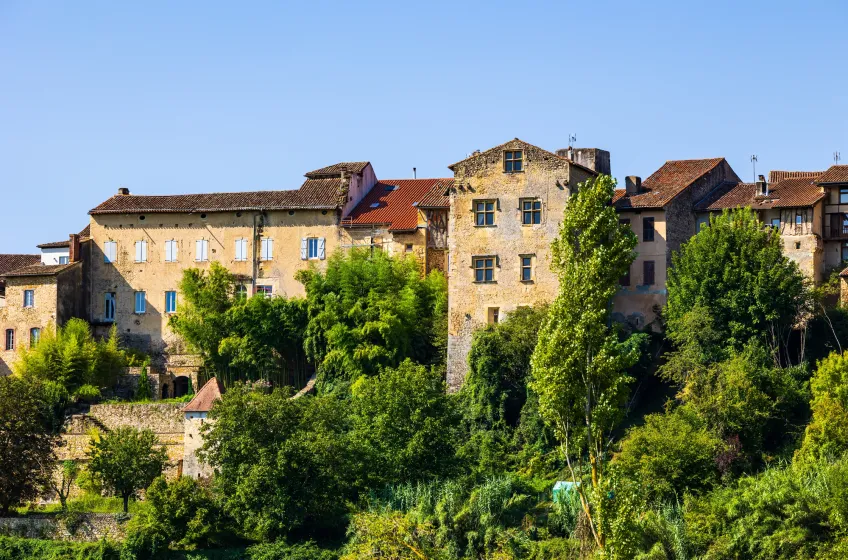
Haute-Garonne is worth visiting for its remarkable variety. At its centre is Toulouse, the fourth-largest city in France, buzzing with aerospace innovation, pink-brick architecture, and a youthful energy thanks to its large student population. Beyond the city, the landscape quickly transitions into peaceful countryside, dotted with traditional villages, vineyards, and sunflower fields.
Head south, and you’ll encounter the majestic Pyrenees, where mountain passes, ski resorts, and hiking trails await. This geographic diversity makes Haute-Garonne an all-season destination. It’s also a region steeped in history—from Roman remains and medieval fortresses to Renaissance châteaux. Add to this its rich Occitan culture, thriving gastronomy, and proximity to both Spain and the Mediterranean, and you’ve got a region that truly rewards exploration.
Haute-Garonne Highlights: Things to See and Do in Haute-Garonne
Toulouse
Known as "La Ville Rose" (The Pink City), Toulouse is the dynamic capital of Haute-Garonne and a must-see destination in its own right. Wander the historic centre to admire buildings made from rosy terracotta bricks, especially around the majestic Place du Capitole, home to the grand Capitole de Toulouse and its opulent reception rooms. The Basilica of Saint-Sernin, a UNESCO World Heritage Site, is one of the largest Romanesque churches in Europe.
Toulouse is also a hub of aeronautics and space exploration. A visit to Cité de l’Espace, an interactive space-themed park, is a hit with families and science enthusiasts. For art lovers, Les Abattoirs and the Musée des Augustins offer fascinating collections housed in striking buildings.
Saint-Bertrand-de-Comminges
Perched on a hillside at the foot of the Pyrenees, this medieval village is one of France’s "Plus Beaux Villages" and a site of pilgrimage for centuries. The Cathedral of Saint-Bertrand is a masterpiece of Gothic and Romanesque architecture, and the village offers panoramic views of the surrounding mountains. Nearby are ruins of the ancient Roman town of Lugdunum Convenarum, adding another layer of historical intrigue.
The Pyrenees and Luchon
For nature lovers and winter sports enthusiasts, the Pyrenean stretch of Haute-Garonne is paradise. Bagnères-de-Luchon, often just called Luchon, is a charming spa town with Belle Époque architecture and access to some of the best hiking and skiing in the region. The nearby Superbagnères ski resort offers snow sports in winter and mountain biking in summer. The surrounding peaks are criss-crossed with trails for all abilities.
Canal du Midi
This UNESCO-listed waterway, which connects Toulouse to the Mediterranean, is ideal for cycling, walking, or taking a relaxed canal boat ride. In Haute-Garonne, the canal winds through picturesque countryside and under centuries-old plane trees. Many visitors hire bikes to follow the towpaths from Toulouse towards Castelnaudary or Carcassonne.
Revel and Saint-Ferréol
Located on the border with the Tarn, Revel is a bastide town famous for its lively Saturday market, considered one of the best in the southwest. Nearby is the Bassin de Saint-Ferréol, a vast reservoir that feeds the Canal du Midi. It’s a lovely spot for swimming, picnicking, or walking, especially in summer.
Cazères and Martres-Tolosane
These riverside towns offer a slower pace and local flavour. Cazères, with its charming riverside promenade and vibrant weekly market, is perfect for a day trip. Martres-Tolosane is known for its ceramics—visit a local atelier to see traditional faïence being crafted and painted by hand.
Aurignac
This small hilltop village gives its name to the Aurignacian culture, one of Europe’s earliest prehistoric societies. The Musée de l’Aurignacien is a modern and well-curated museum exploring prehistoric life. The village itself is lovely to explore, with narrow streets and stunning views.
Château de Laréole
Located northwest of Toulouse, this Renaissance château is a surprising gem. Built of red brick and white stone in an eye-catching checkerboard pattern, it hosts free contemporary art exhibitions and classical music concerts in summer. The château gardens are beautifully maintained and offer a peaceful escape.
Rieux-Volvestre
A delightful small town with a rich history, Rieux-Volvestre boasts an impressive Gothic cathedral, medieval bridges, and a historic centre filled with timber-framed houses. It’s a great detour for history buffs or anyone exploring the southern parts of the department.
The Garonne River Valley
The River Garonne cuts a path through the department, and many small towns and picnic spots dot its banks. Areas near Grenade and Verdun-sur-Garonne offer peaceful scenery, walking routes, and opportunities to enjoy the river at a slower pace.
Practical Advice for Visitors
Getting There
Haute-Garonne is easily accessible thanks to Toulouse-Blagnac Airport, which serves both domestic and international flights. Toulouse is well connected by rail, with high-speed TGV services from Paris (about 4 hours), Bordeaux, and Marseille. Once in the region, a car is the best way to explore the rural and mountainous areas at your own pace.
Parking
Toulouse has many underground and surface car parks—look for P+R (Park and Ride) options if you’re visiting from outside the city. In smaller towns and villages, free parking is usually available near the centre. For mountain trips, especially in high season or during ski periods, arrive early to secure spots near trailheads or lifts.
Dining
Haute-Garonne’s cuisine is hearty, rustic, and delicious. The region is a haven for cassoulet, a rich stew of duck, sausage, and white beans. Toulouse sausage (saucisse de Toulouse), duck confit, foie gras, and local cheeses all feature heavily on menus. Toulouse is filled with bistros and brasseries—Le Bibent, Monsieur Georges, and Le Colombier are well-regarded spots. For fine dining, Michel Sarran offers a Michelin-starred experience with regional flair.
Rural areas are dotted with fermes-auberges where you can enjoy traditional meals in a farm setting. Summer food markets and night markets (marchés gourmands) also offer a fun and tasty way to sample local flavours.
Shopping
Toulouse offers everything from designer boutiques to artisan markets. The Victor Hugo Market is great for gourmet goodies, while Rue de la Pomme and Rue Alsace-Lorraine are top shopping streets. For more unique finds, try the Marché des Carmes or Sunday morning flea markets.
In the countryside, you’ll find local producers selling honey, Armagnac, charcuterie, and handmade crafts. Martres-Tolosane is particularly known for its ceramics.
When to Visit
Spring (April–June) and autumn (September–October) are ideal for visiting, with warm temperatures, fewer crowds, and vivid scenery. Summer can be hot in the lowlands but perfect for mountain trips or water-based activities. Winter is ski season in the Pyrenees, and Toulouse maintains a festive atmosphere with Christmas markets and winter events.
Local Events
Rio Loco Festival (June) brings world music and culture to the banks of the Garonne in Toulouse. The Toulouse International Art Festival and the Piano aux Jacobins concert series attract classical music fans. Summer also sees village festivals (fêtes de village) throughout the department, often with fireworks, dancing, and communal feasts.
In Luchon, the Flower Festival (Fête des Fleurs) in August is a colourful parade of floats adorned with real blooms. Meanwhile, the Jazz sur son 31 festival in October celebrates jazz with concerts across the department.
Exploring Beyond Haute-Garonne
Haute-Garonne borders several fascinating departments. Ariège offers prehistoric caves and rugged landscapes. Gers is perfect for wine and Armagnac tasting. Lot has picturesque villages like Saint-Cirq-Lapopie. If you’re up for a longer adventure, the Spanish border is within reach via the Pyrenean passes—perfect for a cross-border cultural and culinary excursion.
Haute-Garonne combines the cultural depth of Toulouse with the rustic beauty of the French countryside and the wild majesty of the Pyrenees. It’s a region that wears many faces—urban, rural, historical, and adventurous. Whether you're marvelling at Romanesque churches, cycling along the Canal du Midi, or enjoying cheese and wine in a mountain village, Haute-Garonne promises rich and varied experiences in one of France’s most rewarding regions.
Shortlist
- Your Shortlist is empty