
A Visitor's Introduction to The Beaney House of Art & Knowledge
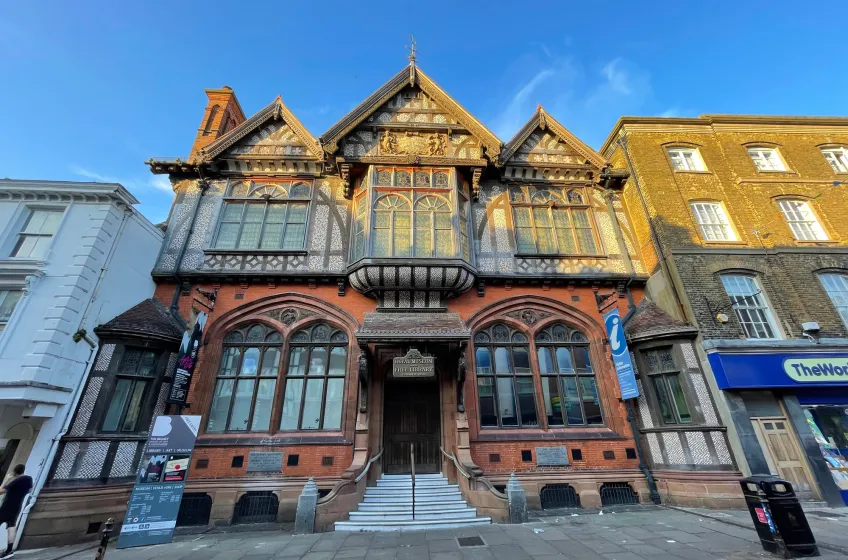
The Beaney House of Art & Knowledge, commonly known simply as The Beaney, is a cultural and heritage hub located on Canterbury’s historic High Street in Kent. This distinctive Grade II listed building functions as a combined museum, art gallery, library, and visitor information centre, all housed under one roof. Originally opened in 1899 and extensively refurbished and expanded between 2009 and 2012, The Beaney re-opened in 2012 as a modern, accessible space that serves both the local community and visiting tourists.
Named after James George Beaney, a Canterbury-born doctor and philanthropist who left a bequest to the city, The Beaney showcases a rich and varied collection ranging from fine art and decorative objects to natural history specimens and local archaeological finds. It also offers educational resources, creative workshops, and temporary exhibitions throughout the year. Its central location—just a few minutes’ walk from Canterbury Cathedral—makes it a convenient and engaging stop for visitors of all ages.
Recommended Canterbury accommodation: Hotels Bed & Breakfasts Pub Accommodation
Pre-book Canterbury Attractions, Tours & Experiences
Why is The Beaney Worth a Visit?
The Beaney offers a unique and well-integrated experience that brings together art, history, learning, and community engagement in one building. It is not just a museum or gallery, but a civic space where residents and tourists alike can explore Canterbury’s past, engage with contemporary art, and take part in educational and creative activities. It is one of the few institutions in the UK to combine museum collections and public library services, making it a distinctive model of cultural provision.
From historical artefacts to family-friendly interactives, The Beaney caters to a broad audience. For those interested in local heritage, the museum’s permanent exhibitions include materials that trace the story of Canterbury and its inhabitants through centuries. Art lovers will find original works by local and national artists, as well as changing contemporary art exhibitions. The building itself is also worth a visit, with its impressive neo-Gothic façade, restored period interiors, and a modern extension that adds light-filled gallery spaces and improved accessibility.
Admission is free, making it an inclusive space for all visitors. Whether you are seeking a quiet place to read, an educational experience for children, or a chance to engage with fine art and local history, The Beaney offers a rich and varied cultural environment.
Highlights of The Beaney
The Explorers and Collectors Gallery
This gallery showcases the breadth of Canterbury’s global connections through collections of ethnography, natural history, and archaeology. Visitors can view Egyptian artefacts, Chinese ceramics, taxidermy specimens, and fossil collections. The displays reflect how local collectors and benefactors brought objects from around the world to Canterbury, often during the Victorian era.
The People and Places Gallery
This gallery focuses on local history, particularly the people of Canterbury and how the city has changed over time. It includes Roman and medieval artefacts, items from the former Canterbury Heritage Museum, and personal objects that help tell the stories of ordinary citizens. It offers a strong sense of place and identity, linking past and present through local narratives.
The Colour and Form Gallery
Dedicated to decorative arts, this gallery displays ceramics, metalwork, glassware, and textiles, highlighting craftsmanship from different periods and cultures. Visitors can appreciate the design and function of domestic and artistic items, with many objects chosen for their visual appeal and historical context.
The Materials and Masters Gallery
One of the key spaces in The Beaney’s art offering, this gallery features paintings, sculpture, and prints by both local and national artists. Works range from Old Masters and Victorian painters to contemporary art. Notable artists represented include Thomas Sidney Cooper, a 19th-century painter known for his depictions of cattle and sheep, who lived and worked in Canterbury.
The Study and Research Room
For those interested in delving deeper into the museum’s collections or conducting local historical research, The Beaney offers access to archives and specialist materials in its study room. By appointment, visitors can explore original documents, artworks, and artefacts not on public display.
The Library
The Beaney’s public library occupies a large part of the building and includes lending sections for adults and children, study areas, public computers, and quiet reading rooms. The integration of library and museum services means that visitors can engage with both recreational and educational content in a seamless way.
Temporary Exhibitions and Events
The Beaney hosts an active programme of temporary exhibitions across several dedicated gallery spaces. These include contemporary art shows, community-led projects, national touring exhibitions, and thematic displays that draw from the permanent collections. Events such as talks, workshops, and creative sessions regularly accompany these exhibitions.
Family Activities and Learning Spaces
Families are well catered for at The Beaney, with hands-on displays, sensory resources, and creative activities designed for younger visitors. The museum provides learning resources for schools and educators and offers art and history workshops during school holidays and weekends.
The Special Exhibitions Room
This space is used for high-profile or special interest exhibitions. Past exhibitions have included work by well-known British artists and themed displays linked to local anniversaries or national events. Entry to these exhibitions is often free, though occasionally there may be a charge depending on the scale and scope of the show.
The Front Room Community Space
The Beaney supports community engagement through its Front Room space, used for local exhibitions, creative groups, and community-led projects. It gives residents and smaller organisations a platform to share stories, art, and heritage on a rotating basis.
Nearby Attractions
The Beaney is ideally located in the heart of Canterbury, within a few minutes’ walk of many of the city’s other major attractions. The Canterbury Cathedral, a UNESCO World Heritage Site and one of the most significant religious buildings in England, is located just at the end of the High Street. Visitors can also explore St Augustine’s Abbey and St Martin’s Church, both within a short walking distance and forming the other parts of the UNESCO site.
Close by is the Canterbury Roman Museum, offering an underground view of the city’s Roman past, and Westgate Towers, the largest surviving medieval city gate in England, which houses its own museum and viewpoint. The Canterbury Castle ruins and Westgate Gardens provide further opportunities to explore the city’s history and enjoy its green spaces.
Canterbury also hosts a variety of independent shops, cafés, and restaurants along the High Street and in the nearby King’s Mile, making it easy to plan a full day of culture, shopping, and dining.
Practical Advice for Visitors
The Beaney is open to the public throughout the week, though opening hours may vary on Sundays and public holidays. Admission is free, including access to most exhibitions and galleries. Some special exhibitions or events may carry a small fee, which will be clearly advertised.
The building is fully accessible, with step-free access at the rear entrance, lifts to all floors, and accessible toilet facilities. Assistance dogs are welcome, and staff are available to assist visitors with additional needs. The museum also offers sensory backpacks and quiet spaces for visitors with sensory sensitivities.
The Beaney is located on the High Street, approximately a 10–15 minute walk from both Canterbury East and Canterbury West railway stations. Several local bus routes stop nearby, and there is parking available at city centre car parks or via Canterbury’s park-and-ride services.
There is a small café area offering hot drinks, light snacks, and seating, although many visitors opt to explore the numerous cafés and restaurants nearby. The museum shop sells books, gifts, and items related to current exhibitions and local history.
Visit durations vary depending on interest, but most visitors spend between 1 and 2 hours at The Beaney. It is suitable for both quick visits and longer, more detailed explorations, especially for those attending exhibitions or using the library and research facilities.
Conclusion
The Beaney House of Art & Knowledge is one of Canterbury’s most dynamic cultural venues, blending historic collections with contemporary exhibitions, educational resources, and community engagement. It offers a rich and varied experience that caters to a wide range of interests—from fine art and local history to family activities and research. Its central location, free entry, and multi-functional design make it an essential part of any visit to Canterbury, whether you are a tourist, a researcher, or a local resident seeking inspiration, knowledge, or creativity.
Shortlist
- Your Shortlist is empty