
Discover Calvados | A Visitor's Introduction to Calvados
Recommended places to visit, places to stay and things to do in Calvados
Calvados is a picturesque department in the Normandy region of north-western France. Known for its lush countryside, dramatic coastline, and historic towns, Calvados is a perfect destination for lovers of history, gastronomy, and scenic beauty. From the D-Day landing beaches to the half-timbered houses of Honfleur and the rolling apple orchards that produce its famous apple brandy, Calvados offers a richly textured experience that combines culture, heritage, and natural charm.
Recommended Calvados Accommodation: All Hotels 4&5 Star Luxury Hotels Chateau Hotels Budget Hotels Family-Friendly Hotels Beach & Seafront Hotels Boutique Hotels Spa & Wellness Hotels Bed & Breakfasts Auberges
Pre-book Attractions, Tours & Experiences in Calvados
Why is Calvados Worth a Visit?
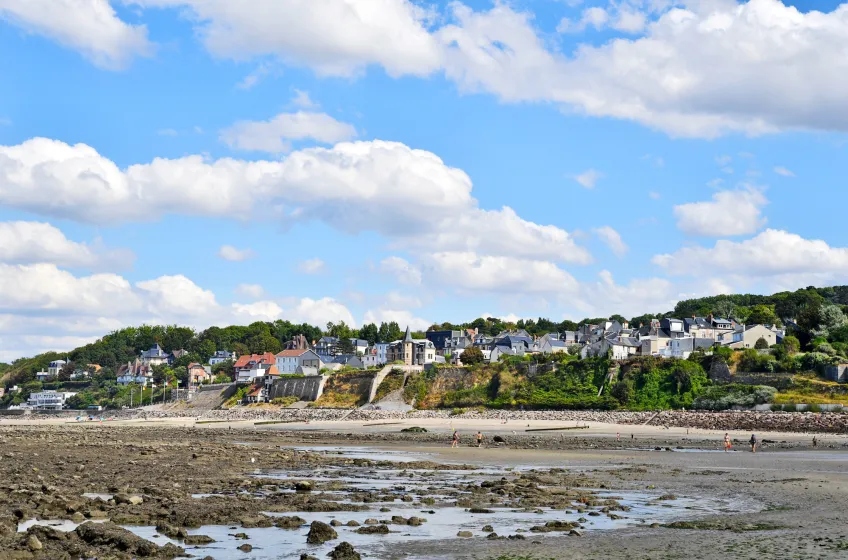
Calvados is worth visiting for its fascinating blend of history, heritage, and landscape. This area was at the heart of the Normandy landings during World War II, and its beaches, museums, and memorials tell the story of one of the most significant events in modern history. Beyond the war history, Calvados is steeped in medieval charm, with elegant châteaux, quaint villages, and historic market towns that make exploring a joy.
The region is also known for its culinary delights, especially the production of apple-based beverages like Calvados brandy and cider. With a strong agricultural tradition, the food scene here is both rustic and refined. Visitors can tour distilleries, sample cheeses, and enjoy fresh seafood along the coast. Whether you’re walking along the seaside cliffs, exploring medieval towns, or sipping Calvados in a countryside inn, the region delivers an unforgettable French experience.
Calvados Highlights: Things to See and Do in Calvados
D-Day Landing Beaches
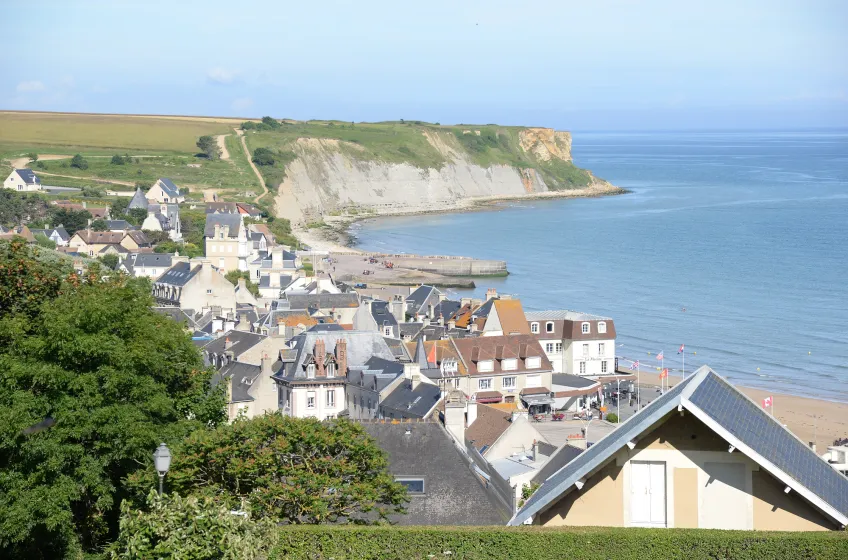
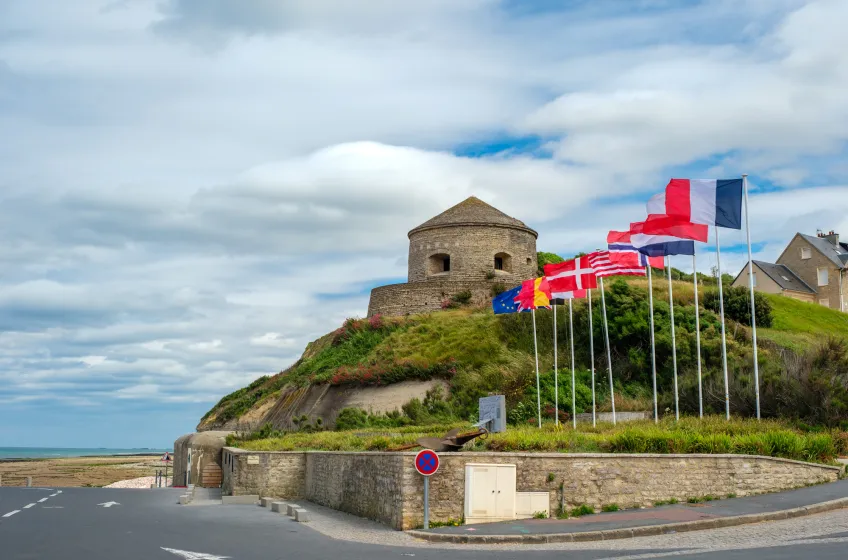
The D-Day beaches of Utah, Omaha, Gold, Juno, and Sword are not only stunning stretches of coastline but also solemn reminders of the past. These historic sites are scattered with museums, bunkers, and memorials that honour the Allied troops who landed here in June 1944. The Normandy American Cemetery at Colleville-sur-Mer is especially moving, overlooking Omaha Beach with perfectly aligned rows of white crosses.
Bayeux and the Bayeux Tapestry
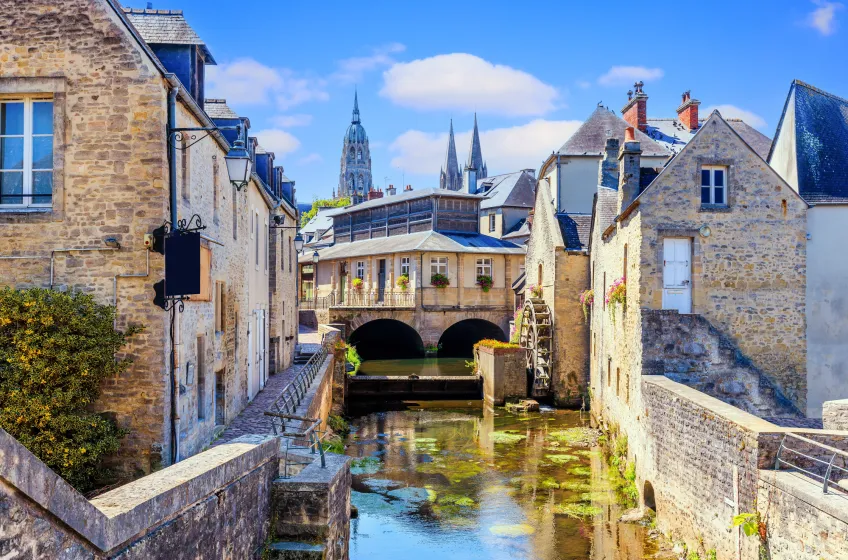
Bayeux is a charming town that miraculously escaped destruction during WWII. Its jewel is the Bayeux Tapestry, an astonishing 70-metre-long embroidery that tells the story of the Norman conquest of England in 1066. Housed in a dedicated museum, it’s a must-see for history lovers. The town also boasts a beautiful cathedral and cobbled streets lined with bakeries, cafés, and boutiques.
Honfleur
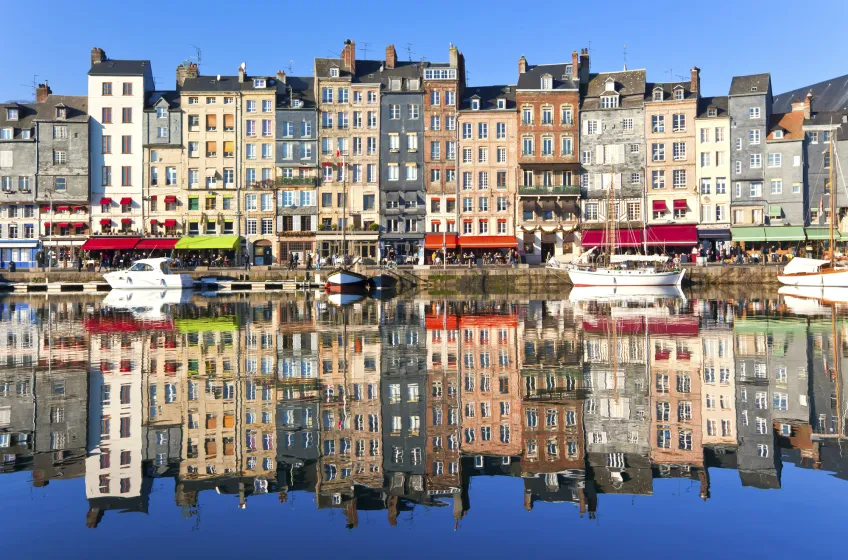
The harbour town of Honfleur is almost impossibly pretty, with its narrow, tall houses reflected in the old port’s waters. Artists like Monet and Boudin once painted here, inspired by the changing light and character of the town. Visitors can enjoy the vibrant art galleries, seafood restaurants, and a gentle stroll along the cobbled lanes. Don’t miss the wooden church of Sainte-Catherine, built by shipbuilders in the 15th century.
Deauville and Trouville
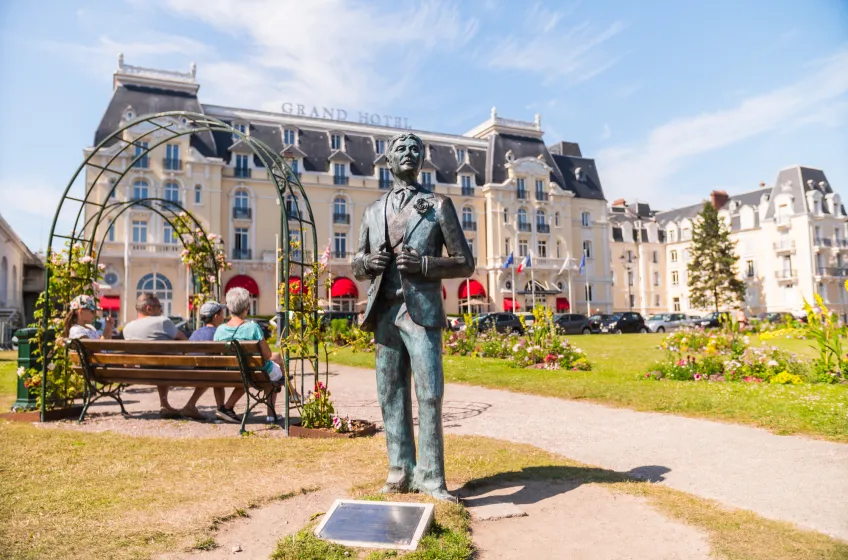
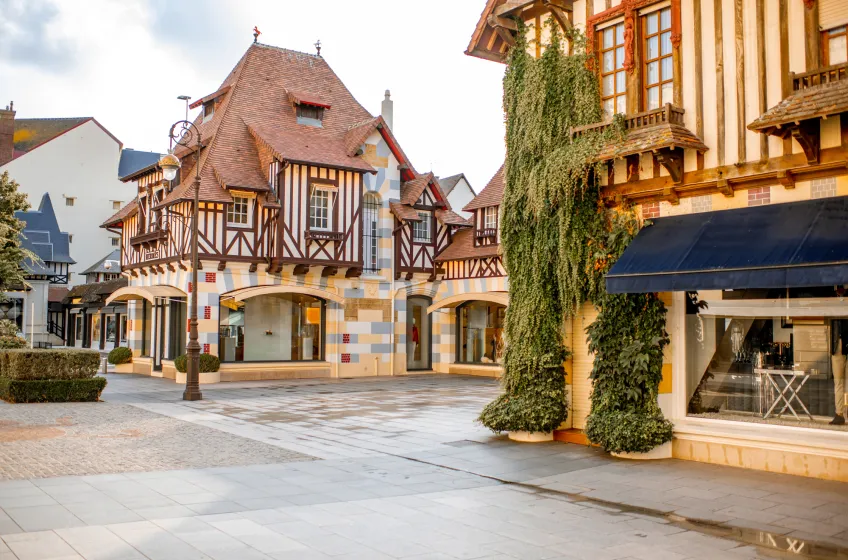
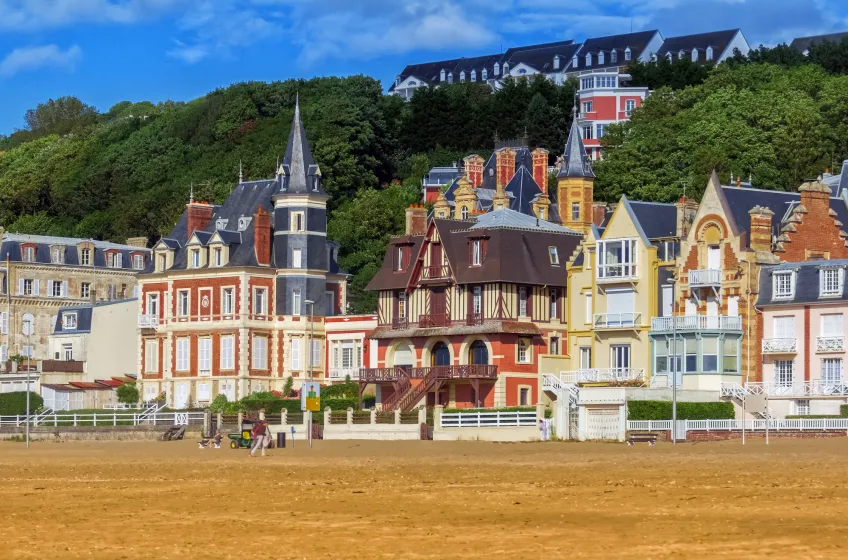
These glamorous seaside resorts have long been favourites with Parisians looking for sea air and sophistication. Deauville is chic and stylish, known for its film festival, casino, racecourse, and long boardwalk lined with beach huts named after Hollywood stars. Trouville, just across the river, is a bit more laid-back but just as lovely, with a bustling fish market, sandy beach, and belle époque villas.
Caen and the Caen Memorial Museum
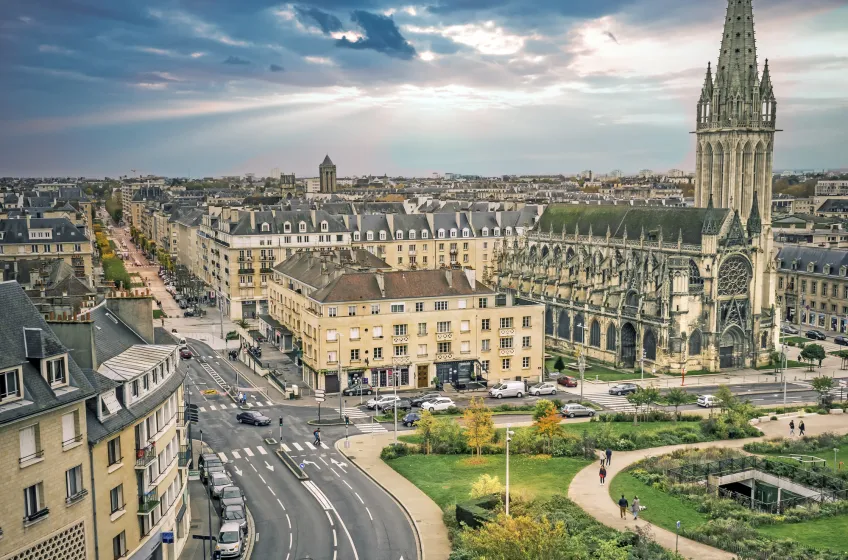
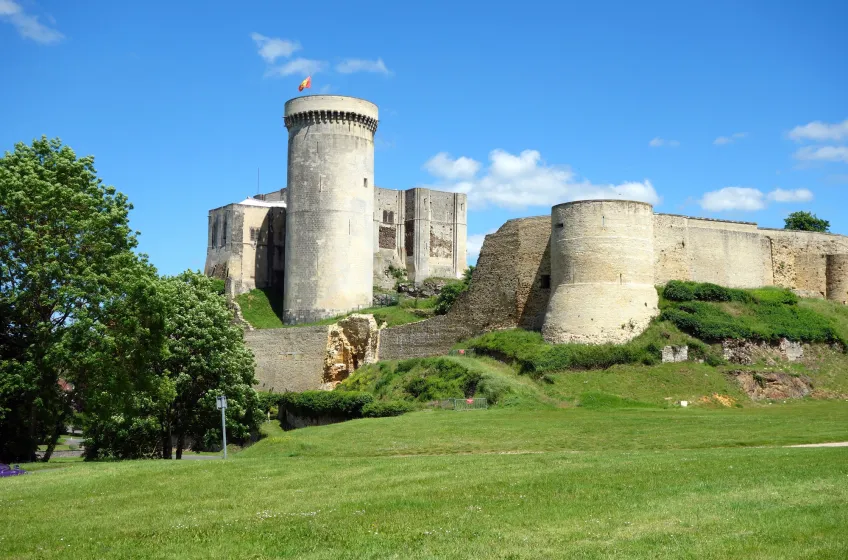
Caen, the capital of Calvados, is an important historical centre with strong ties to William the Conqueror. His château, one of the largest medieval fortresses in Europe, still dominates the town. The Caen Memorial Museum is widely regarded as one of the best WWII museums in Europe, providing a thorough and thoughtful look at the conflict, its causes, and consequences.
Calvados Distilleries and Cider Routes
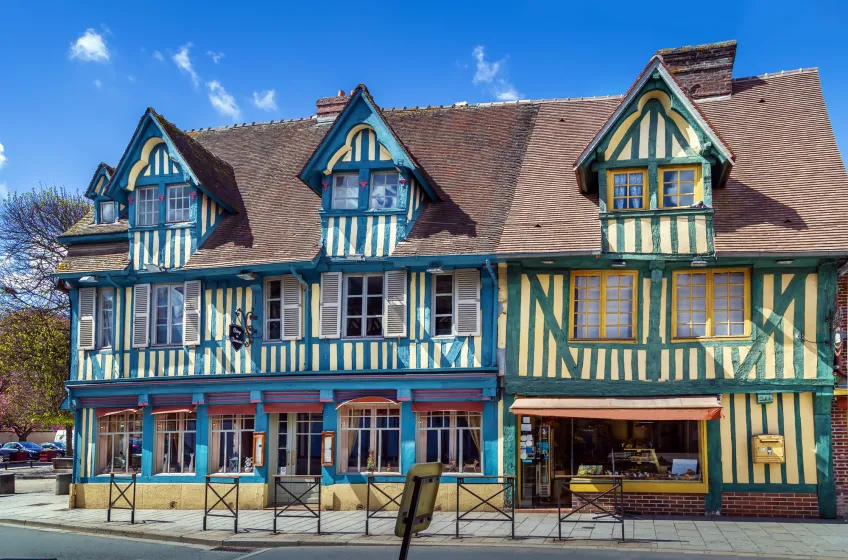
No trip to Calvados is complete without tasting the spirit that shares its name. The region is dotted with distilleries, many of which welcome visitors for tastings and tours. The “Route du Cidre” is a scenic driving route through villages like Cambremer and Beuvron-en-Auge, where traditional cider and Calvados production can be explored. The countryside is postcard-perfect, with half-timbered houses and flowering orchards.
Beuvron-en-Auge
This tiny village is officially listed as one of the “Most Beautiful Villages in France” and offers a picture-book example of Norman charm. With its half-timbered façades, flower-filled squares, and artisan shops, Beuvron-en-Auge is a delightful stop along the cider route and a great place to pick up regional produce and handmade goods.
Château de Falaise
The birthplace of William the Conqueror, this formidable fortress looms over the town of Falaise. The château has been restored and features interactive exhibits that bring the medieval world to life. It’s a rewarding visit for anyone interested in the early history of Normandy and the roots of Anglo-French history.
Suisse Normande
For outdoor lovers, the Suisse Normande (Norman Switzerland) region offers rugged hills, deep valleys, and winding rivers ideal for hiking, cycling, and canoeing. It's a peaceful and picturesque part of Calvados, offering a contrast to the coastal and urban attractions.
Lisieux and the Basilica of Saint Thérèse
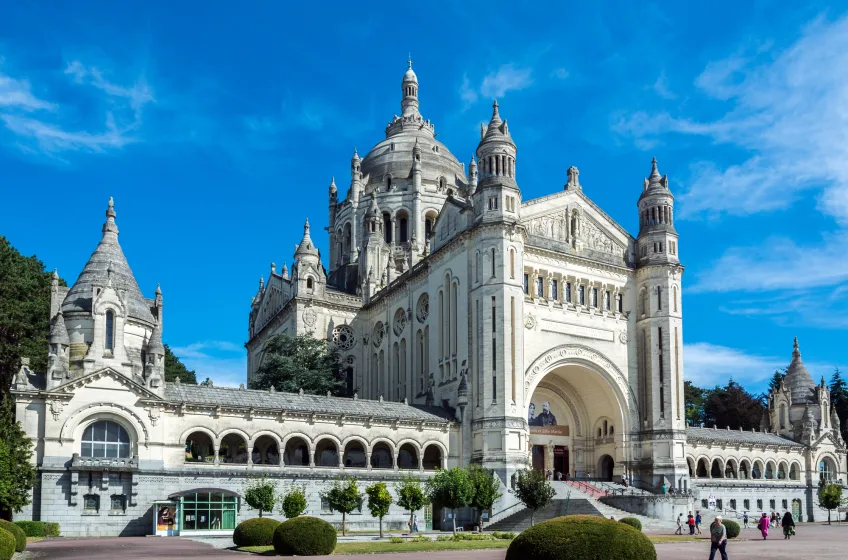
A major pilgrimage site, Lisieux is known for Saint Thérèse, a Carmelite nun canonised in 1925. The massive basilica dedicated to her is one of the largest in France and attracts thousands of visitors each year. The town itself is also worth exploring for its peaceful streets and local charm.
Practical Advice for Visitors
Getting There
Calvados is easily accessible by road, rail, and air. The A13 motorway connects it to Paris (about a 2.5-hour drive), while regular trains run from Paris Saint-Lazare to Caen and Bayeux. Ferries from the UK arrive at nearby ports such as Ouistreham (Caen), Le Havre, and Cherbourg. The region is also served by Deauville-Normandie Airport, which has seasonal flights to various destinations.
Parking
Most towns and tourist sites have ample parking, although it can fill up quickly in high season. Blue zone parking is common in town centres – check signs for time limits and make sure to display a parking disc. Larger towns like Caen and Bayeux have multi-storey and pay-and-display car parks close to major attractions.
Dining
Calvados offers a rich culinary scene rooted in local ingredients. Try creamy Camembert from nearby Pont-l'Évêque, rich apple tarts, and fresh seafood, especially mussels and scallops in season. Restaurants in Honfleur and Trouville serve excellent seafood platters, while country inns along the cider route offer hearty Norman fare. For something sweet, sample a tarte Normande with apples and cream.
Shopping
Markets are held throughout the region, often in historic town squares. Bayeux has a particularly good Saturday market, while Honfleur offers a mix of art, antiques, and local food. Don’t miss the opportunity to buy Calvados, cider, and regional cheeses direct from producers. Beuvron-en-Auge has charming artisan shops ideal for unique gifts and souvenirs.
When to Visit
Spring (April to June) and early autumn (September to October) are ideal times to visit, with mild weather, blooming countryside, and fewer crowds. Summer is warm and lively, especially along the coast, but accommodation should be booked well in advance. Winter is quiet, and while many coastal attractions slow down, cities like Caen and Bayeux remain active and welcoming.
Local Events
The D-Day commemorations in early June are significant and draw international visitors. Deauville hosts a renowned American Film Festival each September, attracting global stars. Honfleur’s Shrimp Festival in October is a fun local event with music, seafood, and maritime flair. The Apple Festival in Cambremer, held in spring, celebrates the region’s fruit harvest and cider-making traditions.
Exploring Beyond Calvados
Normandy offers much more beyond Calvados. The Mont-Saint-Michel is just over an hour’s drive and is one of France’s most iconic landmarks. To the west, the Manche department features charming coastal towns and wild beaches. To the east, the Seine Valley leads towards Rouen and Giverny, home to Monet’s gardens. Each direction offers a rewarding day trip or extension to your stay.
Shortlist
- Your Shortlist is empty