
Discover Falaise | A Visitor's Introduction to Falaise
Falaise is a historic town located in the Calvados department of Normandy, France, best known as the birthplace of William the Conqueror. Perched above the Ante River and surrounded by lush Norman countryside, Falaise offers a compelling mix of medieval heritage, wartime history, and rural tranquillity. With its impressive castle, poignant WWII sites, and welcoming atmosphere, Falaise is a fantastic destination for history enthusiasts, families, and those wanting to explore lesser-known parts of Normandy. It’s a town where the echoes of the Middle Ages blend with modern-day charm.
Recommended Falaise Accommodation: Hotels Bed & Breakfasts
Why is Falaise Worth a Visit?
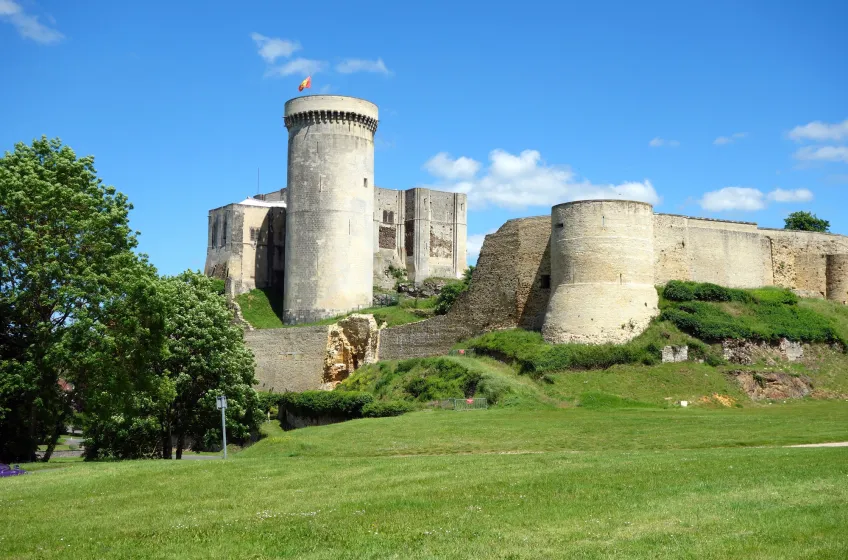
Falaise is worth visiting for its deep historical roots, especially its connection to William the Conqueror, Duke of Normandy and later King of England. The imposing Château de Falaise, where he was born, dominates the town and offers one of the best interactive castle experiences in France. But Falaise also played a key role in World War II, particularly during the closing stages of the Battle of Normandy, known as the Falaise Pocket.
Despite its dramatic past, Falaise is now a peaceful and friendly town with attractive streets, a restored centre, and access to beautiful surrounding countryside. Whether you're tracing medieval lineage, exploring military history, or just enjoying Norman hospitality, Falaise delivers a rich and rewarding experience that’s both educational and enjoyable.
Falaise Highlights: Things to See and Do in Falaise
Château de Falaise (Castle of William the Conqueror)
The crowning jewel of Falaise is its castle, dramatically perched on a rocky bluff. This was the birthplace of William the Conqueror around 1028 and the site of a major medieval stronghold. Today, the château is superbly restored and features cutting-edge augmented reality displays that bring history to life. Visitors use interactive tablets to visualise how rooms once looked, with animated scenes of daily life, battles, and royal intrigues. From the ramparts, you’ll also get panoramic views of the town and countryside.
Memorial Museum of Civilians in Wartime
Housed in a modern glass-and-stone building near the castle, this unique museum is dedicated to the experiences of civilians during conflicts, particularly during World War II. It focuses on the local population’s suffering and resilience during the bombing of Falaise and the Battle of the Falaise Pocket. Through personal testimonies, immersive exhibits, and multimedia displays, it provides a human perspective on the devastation of war.
Eglise Saint-Gervais-Saint-Protais
This striking church in the heart of Falaise was badly damaged during WWII but has been carefully restored. It features Gothic and Romanesque elements, beautiful stained-glass windows, and an impressive organ. It’s a quiet place to reflect and admire the craftsmanship and history embedded in its stones.
The Old Town and Market Square
Falaise’s town centre has a lovely mix of old and new. Its pedestrian streets, traditional shops, and cafés are perfect for a leisurely walk. The Place Belle Croix and Place Guillaume le Conquérant are lively spots with markets, terraces, and the occasional street performance. Don't miss the Saturday morning market for local cheeses, fresh produce, and regional treats.
Musée des Automates
A delightfully quirky attraction, this museum showcases a large collection of vintage mechanical figures and shop window displays, many dating from the early 20th century. These animatronic characters—once used to draw in crowds to department stores—are lovingly restored and arranged in nostalgic scenes. It’s especially fun for children, but adults will also enjoy the charm and craftsmanship on show.
Public Gardens and Walks
Falaise has several pleasant parks and green spaces ideal for relaxing or picnicking. The Val d’Ante is a peaceful valley park at the foot of the castle, perfect for a stroll with views back up to the ramparts. Further afield, there are plenty of walking and cycling paths in the surrounding countryside, including trails that follow the historical routes of the WWII Falaise Pocket.
The Falaise Pocket Battle Sites
Just outside town, you can explore the area where the Allies encircled and defeated a large German force in August 1944—one of the decisive moments of the Normandy campaign. A route of memorials, panels, and small museums stretches through surrounding villages like Montormel and Trun, providing powerful insights into this dramatic chapter of the war.
Practical Advice for Visitors
Getting There
Falaise is about 35 kilometres southeast of Caen, making it an easy day trip by car. From Paris, it’s roughly a 2.5–3-hour drive via the A13 and N158. There’s no train station in Falaise, but regular buses connect it with Caen, which is well-served by trains from Paris and other major cities. Hiring a car is recommended if you plan to explore the wider region, especially the Falaise Pocket sites.
Parking
There is ample free parking throughout Falaise, especially near the castle and town centre. Signage is clear and car parks are generally not crowded except during major events or summer weekends. Most hotels and guesthouses offer on-site or nearby parking.
Dining
Falaise has a small but appealing selection of restaurants, brasseries, and cafés. For a traditional French meal, Le Jardin offers fresh, seasonal cuisine in a relaxed setting. La Fine Fourchette is a local favourite for classic Norman dishes such as duck, cheese-based recipes, and apple desserts. Crêperies and bakeries dot the town centre, perfect for a quick bite or sweet treat.
Shopping
The town centre features a mix of independent boutiques, bakeries, and shops selling local products. Regional specialities to look out for include Calvados (apple brandy), Normandy cider, cheeses like Livarot and Pont-l'Évêque, and artisanal sweets. The Saturday market is a good opportunity to sample and buy local fare.
When to Visit
Spring and early autumn are ideal for visiting Falaise, with mild weather and fewer crowds. Summer brings longer days, open attractions, and a lively market scene. The annual Medieval Festival in August is a highlight, bringing music, costumes, and historical re-enactments to the streets and castle. Winter is quiet but atmospheric, with some sites operating reduced hours.
Local Events
The Medieval Festival in August is the town’s biggest event, transforming Falaise into a time-travel destination complete with knights, jousts, and open-air feasts. There are also summer concerts, local fairs, and WWII commemorations around 6 June. The Memorial Museum and local schools often organise educational events and exhibitions throughout the year.
Exploring Beyond Falaise
Falaise is well-located for exploring the wider Normandy region. To the north, Caen offers a larger city experience with excellent museums, shopping, and dining. The Suisse Normande area to the west provides scenic hills, river valleys, and outdoor activities like kayaking and hiking. To the east lies the Pays d’Auge, known for cider routes and picturesque villages. The D-Day beaches are just over an hour’s drive, making them accessible for a longer day trip.
Shortlist
- Your Shortlist is empty