
Discover The D-Day Landing Beaches | A Visitor's Guide to The Normandy D-Day Beaches
Recommended places to visit, places to stay and things to do on or near the Normandy D-Day Landing Beaches
The D-Day Landing Beaches of Normandy, France, are among the most significant and moving historical sites in the world. On 6th June 1944, Allied forces launched Operation Overlord, the largest seaborne invasion in history, aimed at liberating Nazi-occupied France. The five beaches – Utah, Omaha, Gold, Juno, and Sword – stretch for around 50 miles along the Normandy coast, and each one tells a unique story of bravery, sacrifice, and strategic importance. Today, they form a key destination for history lovers, families tracing ancestral ties, military enthusiasts, and thoughtful travellers looking to pay their respects and better understand this pivotal moment in world history.
Recommended D-Day Landing Beaches accommodation: Hotels Bed & Breakfasts
Pre-book D-Day Landing Beaches Attractions, Tours & Experiences





Why are the D-Day Landing Beaches Worth a Visit?
The D-Day beaches are worth visiting for their immense historical significance and the deeply emotional experience they provide. As the site of the Allied invasion that ultimately led to the defeat of Nazi Germany, the beaches and surrounding areas are steeped in stories of heroism and international cooperation. Visitors walk the same sands where thousands of young soldiers landed under heavy fire, visit cemeteries where they are remembered, and explore museums and preserved bunkers that bring the events vividly to life.
These sites are also beautifully maintained and lie within the scenic Normandy region, known for its peaceful countryside, charming towns, and coastal beauty. What makes the D-Day beaches especially impactful is the contrast between the tranquillity of today and the chaos of 1944 – a contrast that drives home the cost of war and the value of peace.
Whether you're on a dedicated battlefield tour or exploring Normandy more broadly, the D-Day beaches are a must-visit, offering a powerful blend of education, reflection, and inspiration.
Practical Advice for Visitors
Getting There
The D-Day beaches stretch along the Normandy coast in northwestern France, in the departments of Calvados and Manche. The main towns nearby are Bayeux, Caen, and Carentan, all excellent bases for exploring.
-
From Paris, you can drive to Bayeux in about 2.5 to 3 hours, or take a direct train.
-
The nearest ferry ports are Cherbourg, Caen (Ouistreham), and Le Havre.
-
A hire car is highly recommended, as many key sites are scattered across rural countryside.
Parking
All major museums and memorials have free or low-cost parking. During peak periods (especially June), spaces near major sites like Omaha Beach or Arromanches may fill up quickly. Arrive early or later in the day to avoid the crowds.
Dining
There are plenty of cafés, restaurants, and bistros throughout the region. Towns like Bayeux, Arromanches, and Courseulles-sur-Mer offer great spots for lunch with sea views or dinner after a long day of touring.
Local specialities include:
-
Camembert and other Normandy cheeses.
-
Seafood, particularly oysters and mussels.
-
Apple-based products like cider, Calvados (apple brandy), and tarte tatin.
Shopping
You’ll find a wide range of souvenir shops, especially near museums. Items range from books and DVDs to model tanks and wartime memorabilia. Many towns also host weekly markets where you can pick up local produce, cheese, and handmade goods.
For more authentic keepsakes, look out for:
-
WWII collectibles and reprints
-
Normandy cider and Calvados
-
Local artisan crafts
When to Visit
The D-Day sites are open all year, but the best times to visit are from April to October, when the weather is pleasant and most attractions run on full schedules.
-
June is the most popular month, especially around the D-Day Anniversary (6th June), which includes parades, flyovers, reenactments, and ceremonies.
-
Spring and autumn offer a quieter, more reflective experience.
-
Winter is peaceful and atmospheric, but some sites may operate on reduced hours.
Local Events
-
D-Day Anniversary (June 6th): Every year, the entire Normandy coast becomes the centre of major commemorations, reenactments, parachute drops, and fireworks.
-
Liberation Festivals: Held in many villages and towns through June and July.
-
Veteran-led Tours and Talks: Often scheduled around June, featuring survivors and historians.
Guided Tours
There are excellent guided tours available from Bayeux, Caen, and Cherbourg, offered in English, French, and other languages. Tours vary from half-day to full-day and often focus on specific national perspectives – American, British, or Canadian.
Private guides can offer customised itineraries, ideal for family visits or educational groups. Audio guides and self-drive apps are also available for independent travellers.
Exploring Beyond the Beaches
Normandy has much more to offer beyond the landing sites. If you have extra time, consider visiting:
-
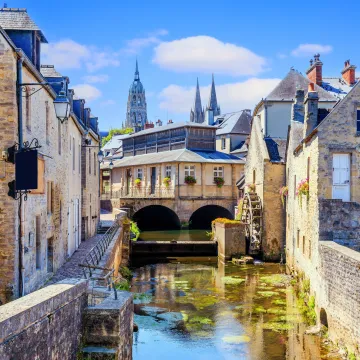
Bayeux: Home of the famous Bayeux Tapestry, a stunning medieval artefact, and a charming old town full of restaurants and shops.
-
Caen: A historic city with a strong WWII connection and the excellent Caen Memorial Museum, exploring the broader context of the war.
-
Mont-Saint-Michel: About 1.5–2 hours from the beaches, this iconic abbey on a tidal island is a marvel of medieval architecture and well worth the detour.
-
Honfleur and Deauville: Elegant harbour towns for a change of pace, offering art galleries, shopping, and seaside walks.
-
The Bocage Countryside: The thick hedgerow landscape that made fighting inland so difficult. Driving through this area gives you a sense of the terrain challenges faced by Allied forces.
The D-Day Landing Beaches of Normandy are far more than just historical sites – they are places of profound emotion, reflection, and learning. Whether you're drawn by the personal stories, the strategy of the campaign, or simply wish to pay tribute to those who fought for freedom, a visit here is bound to leave a deep impression. This coastline, once a theatre of war, now stands as a beacon of peace and remembrance.