
Discover Vire | A Visitor's Introduction to Vire
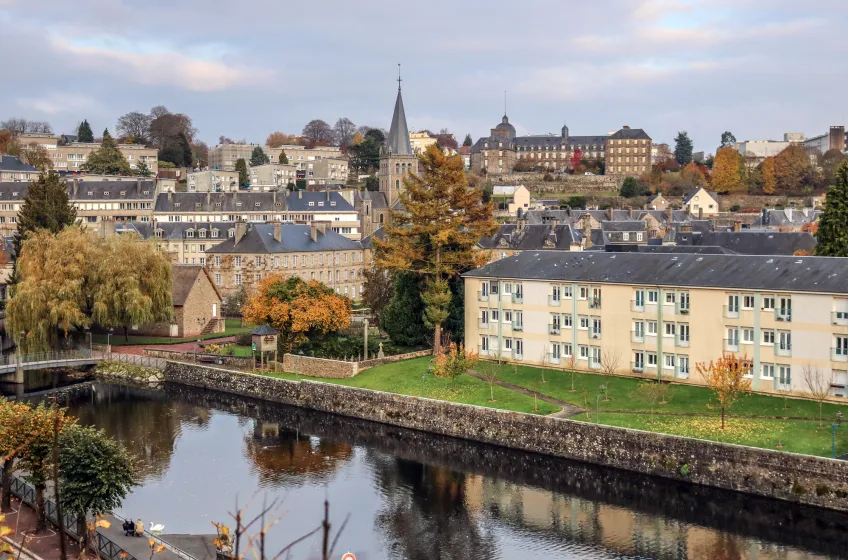
Vire is a historic market town tucked into the rolling hills of the Calvados department in the Normandy region of northern France. Situated on the banks of the River Vire and surrounded by the green pastures of the Bocage Normand, this inland town is known for its medieval past, hearty cuisine, and strong local identity. Far from the coastal crowds, Vire offers a peaceful, authentic slice of Normandy life, ideal for those who want to explore beyond the beaches and into the heart of the countryside.
With its blend of history, nature, and gastronomy, Vire is a perfect destination for lovers of rural France, walkers, food enthusiasts, and those interested in the region’s heritage and resilience.
Recommended Vire Accommodation: Hotels Bed & Breakfasts
Why is Vire Worth a Visit?
Vire is worth visiting for its strong sense of place, fascinating history, and delicious regional cuisine. Founded in the Middle Ages, the town once had formidable fortifications, parts of which still remain today. Although much of Vire was damaged during World War II, it has been sensitively rebuilt, preserving its character while embracing a new identity.
The surrounding landscape—known as the Bocage—features small fields, hedgerows, rivers, and hills, making it a paradise for hikers and cyclists. And, of course, Vire is also the birthplace of andouille de Vire, a traditional smoked pork sausage that is beloved (and sometimes debated) across France. Add to that a vibrant weekly market, friendly cafés, and easy access to Norman nature, and Vire becomes a rewarding destination in its own right.
Vire Highlights: Things to See and Do in Vire
The Remains of Vire Castle (Donjon de Vire)
The medieval origins of Vire are best appreciated by visiting the ruins of its old castle, perched on a rocky outcrop overlooking the River Vire. Built in the 12th century, the donjon (keep) and sections of the curtain wall still stand, offering insight into the town’s defensive past. The views from the site are lovely, and it’s a great starting point for a walking tour of Vire’s historical centre.
Notre-Dame de Vire Church
This striking 13th-century church was one of the few buildings to survive the heavy bombing during WWII. Its Gothic architecture, with a beautifully vaulted ceiling, intricate stained-glass windows, and sturdy stone walls, makes it one of Vire’s most important monuments. It's still a centre of local life and well worth stepping inside.
Place du Château and Town Centre
Vire’s town centre is compact and easy to explore on foot. The Place du Château is a pleasant open square with cafés, shops, and remnants of the town’s ancient ramparts. Look out for the traditional Norman granite architecture and the mix of old and new buildings that reflect the town’s post-war reconstruction. The area also features several sculptures and fountains that give it a modern artistic touch.
Musée de Vire
Housed in a former convent, the Musée de Vire (officially the Musée Municipal) explores the history, art, and culture of the town and surrounding region. Exhibits cover everything from medieval pottery to WWII memorabilia, rural life, and local crafts. It’s small but informative, offering context to the town’s past and present.
The Weekly Market
Vire’s weekly market takes place every Friday morning and fills the centre with colour and energy. Local farmers and producers sell everything from seasonal fruit and vegetables to cheeses, cider, bread, and meats. This is the best place to sample the town’s famous andouille de Vire, as well as other regional specialities like apple tarts and creamy Normandy cheeses.
Taste Andouille de Vire
Vire’s most famous culinary export is andouille, a traditional smoked sausage made from pork chitterlings. It has a strong flavour and is something of an acquired taste, but it's an essential part of the local identity. Try it sliced thinly with mustard, cooked in a creamy sauce, or served cold with bread. The town even has an annual Fête de l’Andouille, celebrating this iconic dish with tastings, music, and festivities.
Outdoor Activities and Hiking
The Bocage Normand countryside around Vire offers superb opportunities for outdoor activities. There are several marked hiking and cycling routes that pass through forests, farmland, and along river valleys. The Vire Valley Trail is particularly scenic, following the river through lush, green landscapes. For those seeking something more adventurous, there are nearby opportunities for horse riding, kayaking, and fishing.
Lac de la Dathée and Golf
Just a short drive from Vire, the Lac de la Dathée is a peaceful lake offering walking trails, birdwatching, and water-based recreation. There’s a sailing club and boat hire in the summer months. Next to the lake, the Golf de Vire – La Dathée provides an 18-hole course with lovely views of the countryside—ideal for a relaxing day outdoors.
Practical Advice for Visitors
Getting There
Vire is easily accessible by train, with direct services from Caen (around 1 hour) and links to Paris via Argentan or Caen (approx. 2.5 hours total). By car, Vire is about 1 hour 15 minutes from Caen and 1 hour 45 minutes from the D-Day beaches. The town is well located for those exploring inland Normandy and is a convenient stop between coastal sites and Mont-Saint-Michel, which is about 1 hour 30 minutes away.
Parking
There are several free and paid car parks around the town centre, and parking is generally easy outside of market days. Spaces near the market can fill up quickly on Friday mornings, so arrive early if you're driving in.
Dining
Vire has a good selection of restaurants, cafés, and bistros catering to a variety of tastes. For traditional Norman cuisine, try Le Manoir de la Pommeraie, a fine-dining restaurant just outside town in a beautiful manor house. In the town centre, Le Clos du Bourg and L'Atelier Gourmand offer well-prepared French dishes in cosy settings. For something casual, creperies and pizzerias provide hearty meals, and local cafés are perfect for an afternoon coffee or pastry.
Shopping
In addition to the market, Vire has independent shops selling local produce, clothes, books, and artisanal goods. Butchers and delis are excellent for picking up andouille and other specialities, and there are several patisseries offering delicious cakes, tarts, and regional desserts. Local cider and Calvados are available in wine shops and supermarkets.
When to Visit
Vire is a year-round destination, but the best times to visit are spring (April–June) and early autumn (September–October), when the weather is mild and the countryside is at its most beautiful. Summer offers longer days and occasional festivals, while winter is quieter but still welcoming, with festive markets in December. The Fête de l’Andouille in October is a particularly lively time to visit.
Local Events
Aside from the weekly market, Vire hosts several annual events, the most famous being the Fête de l’Andouille, usually in mid-October. The town also organises concerts, art exhibitions, and local fairs throughout the year. Check with the tourist office for updated listings and cultural programmes.
Exploring Beyond Vire
Vire makes a great base for exploring the lesser-known corners of Normandy. Nearby towns like Villedieu-les-Poêles (known for copper crafting), Domfront (a medieval hilltop village), and Mortain (with its waterfalls and abbey ruins) are all within an hour’s drive. Further afield, the Mont-Saint-Michel is a must-see day trip, and the D-Day beaches are easily reachable for a more coastal experience.
Shortlist
- Your Shortlist is empty