
Discover Bayeux | A Visitor's Introduction to Bayeux
Recommended places to visit, places to stay and things to do in and around Bayeux
Bayeux is a small yet historically rich town located in the Calvados department of Normandy, north-western France. Known worldwide for its medieval tapestry that tells the story of the Norman conquest of England, Bayeux offers much more than just ancient embroidery. With its well-preserved old town, impressive cathedral, and proximity to the D-Day beaches, Bayeux is a perfect destination for history enthusiasts, cultural travellers, and those seeking a peaceful French escape. Its blend of medieval charm and modern hospitality makes it a gem in the heart of Normandy.
Recommended Bayeux Accommodation: All Hotels City Centre Hotels 4&5 Star Luxury Hotels Budget Hotels Family-Friendly Hotels Bed & Breakfasts
Pre-book Bayeux Attractions, Tours & Experiences
Why is Bayeux Worth a Visit?
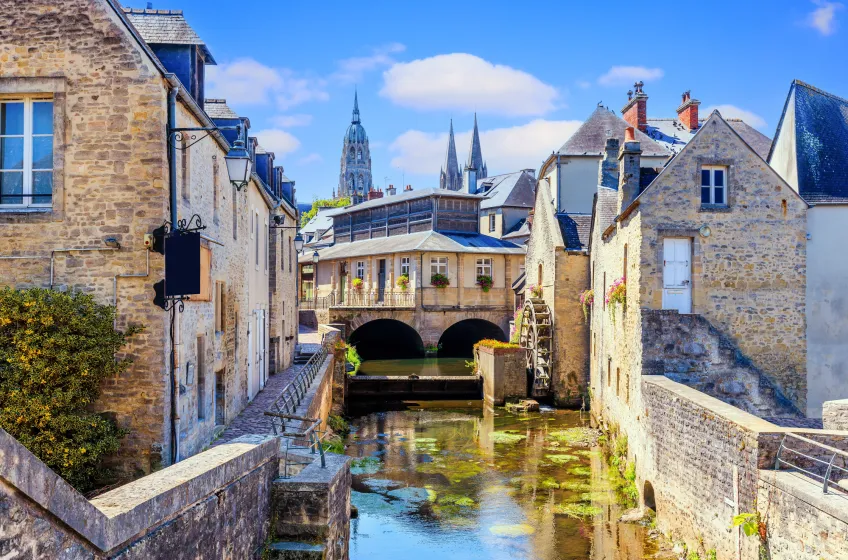
Bayeux is worth visiting for its remarkable blend of history, architecture, and serene Norman atmosphere. Unlike many towns in Normandy, Bayeux was left largely untouched during World War II, which means its medieval centre has survived intact with cobbled streets, half-timbered houses, and beautiful period buildings.
The town is perhaps most famous for the Bayeux Tapestry, a unique and invaluable piece of historical art. But beyond the tapestry, Bayeux offers a peaceful pace of life, delightful local cuisine, and a base for exploring the surrounding countryside and coast. Its strategic position also makes it an ideal hub for visiting the Normandy landing beaches and other World War II sites. Whether you're a history buff, a fan of quaint French towns, or just in need of a relaxing yet stimulating destination, Bayeux delivers with grace and depth.
Bayeux Highlights: Things to See and Do in Bayeux
Bayeux Tapestry Museum
The star attraction of the town, the Bayeux Tapestry, is housed in a dedicated museum just off the town centre. This 70-metre-long embroidered cloth dates back to the 11th century and depicts the events leading up to the Norman conquest of England, culminating in the Battle of Hastings in 1066. The museum features an excellent audio guide (available in multiple languages) and exhibits that provide historical context. The craftsmanship and storytelling of the tapestry are truly captivating and not to be missed.
Bayeux Cathedral (Cathédrale Notre-Dame)
Dominating the skyline, Bayeux Cathedral is a masterpiece of Norman Gothic architecture. Consecrated in 1077 in the presence of William the Conqueror, it's believed that the Bayeux Tapestry was originally displayed here. The cathedral boasts soaring ceilings, intricate carvings, and a crypt with early medieval frescoes. It’s free to enter, and the atmosphere inside is as impressive as the exterior’s spires and flying buttresses.
Old Town of Bayeux
Strolling through the old town is like stepping back in time. The town is full of narrow lanes, timber-framed houses, and charming shops. Look out for the old water wheel on the Aure River and the little bridges that give the town a touch of fairytale elegance. It’s a peaceful area ideal for a lazy afternoon walk, punctuated by stops in local cafés and boutiques.
The Battle of Normandy Memorial Museum (Musée Mémorial de la Bataille de Normandie)
This museum offers a comprehensive and moving overview of the 1944 Normandy campaign. It includes artefacts, uniforms, weapons, vehicles, and dioramas, all explained with great care. Located just a short walk from the town centre, it provides essential context to the nearby D-Day beaches and military cemeteries. A must for those interested in 20th-century history.
British War Cemetery
Directly opposite the Battle of Normandy Museum is the Bayeux War Cemetery, the largest British cemetery in France. Nearly 4,000 Commonwealth soldiers are buried here, along with troops from other nations. The site is immaculately maintained and deeply moving, with rows of white headstones and a serene, respectful atmosphere.
Botanical Garden (Jardin Public de Bayeux)
A pleasant green space ideal for a relaxed stroll or picnic, the Bayeux Botanical Garden is one of the oldest in Normandy. It features a wide range of trees and plants, including a massive weeping beech that’s classified as a “remarkable tree of France.” A lovely break from sightseeing, especially in spring and summer when the garden is in bloom.
Bayeux Market
Held every Saturday in Place Saint-Patrice, Bayeux’s market is one of the best in the region. Here you can find fresh produce, cheeses, seafood, flowers, and artisanal goods. It’s a perfect place to sample local flavours or pick up gifts and picnic supplies. The atmosphere is lively, and it’s a great way to mingle with locals.
Lace Conservatory (Conservatoire de la Dentelle)
A smaller but fascinating museum, the Lace Conservatory showcases the delicate craft of lace-making, once a major industry in Bayeux. You can see antique lacework and even observe demonstrations of traditional techniques. It's a niche attraction but an interesting insight into the town's cultural heritage.
Sound and Light Show at the Cathedral
During the summer months, Bayeux hosts an enchanting sound and light show that is projected onto the cathedral's façade. The storytelling blends history with visual art and music, creating a magical experience that’s perfect for a summer evening. It’s free to attend and a real highlight of the town’s cultural calendar.
Practical Advice for Visitors
Getting There
Bayeux is well-connected by rail and road. There are regular trains from Paris Saint-Lazare (about 2 hours via Caen) and from Caen itself (a quick 15-minute ride). If you’re driving, the A13 motorway brings you close from Paris in about 2.5 hours. For international visitors, ferries from the UK arrive at nearby Ouistreham (Caen) and Le Havre. The town is compact and walkable, so once you're there, you won’t need a car to explore Bayeux itself.
Parking
There are several car parks around the town centre, including free options near the train station and the Battle of Normandy Museum. Blue zones in the centre require a parking disc, which is usually available from local shops or tourist offices. Parking is generally easier than in larger cities, though it can get busy on market days.
Dining
Bayeux offers a variety of dining options that reflect the richness of Norman cuisine. Look out for restaurants serving local specialities like duck à la Normande, apple tarts, Camembert cheese, and seafood such as scallops and mussels. Recommended spots include L'Assiette Normande for traditional dishes, Le P’tit Resto for a cosy gourmet meal, and Au P’tit Bistrot for a modern twist on local flavours. There are also plenty of crêperies and patisseries for lighter bites and sweet treats.
Shopping
The town has a charming mix of independent shops selling everything from fine foods and wines to crafts, antiques, and books. Local products to look out for include Normandy cider, Calvados brandy, apple preserves, and regional cheeses. Bayeux also has a handful of art galleries and speciality stores featuring French-made goods, perfect for thoughtful souvenirs.
When to Visit
Bayeux is beautiful year-round, but the best times to visit are late spring (May–June) and early autumn (September–October), when the weather is mild and the town isn’t too crowded. Summer sees the biggest influx of tourists, especially during D-Day anniversary events in early June. Winter is quiet and atmospheric, with fewer crowds and festive lights adding charm to the town centre.
Local Events
The D-Day commemorations in early June bring ceremonies, parades, and military displays to the area. The Bayeux Medieval Festival, usually held in July, is a colourful celebration featuring jousts, markets, and period costumes. During December, the town sparkles with Christmas lights and a small festive market. Throughout the year, exhibitions and concerts are held at the cathedral and local museums.
Exploring Beyond Bayeux
Bayeux makes an excellent base for day trips around Normandy. The D-Day beaches—Omaha, Gold, Juno—are all within 30 minutes by car, along with the Normandy American Cemetery and Arromanches’ artificial harbour. The picturesque town of Honfleur is about an hour’s drive, and the stylish resort of Deauville is just a bit further along the coast. Inland, the Route du Cidre offers a scenic drive through apple orchards and pretty villages like Beuvron-en-Auge.
Shortlist
- Your Shortlist is empty