
Discover Nord | A Visitor's Introduction to Nord
Nord is a captivating department in the far north of France, forming the border with Belgium and stretching from the edge of the North Sea inland toward rolling farmland and historic towns. Known for its deep Flemish roots, striking architecture, welcoming culture, and proud industrial heritage, Nord is a unique blend of old-world charm and modern vitality. With picturesque towns, fascinating museums, hearty cuisine, and coastal escapes, Nord is a fantastic destination for cultural explorers, foodies, and lovers of history alike.
Recommended Nord Accommodation: All Hotels 4&5 Star Luxury Hotels Bed & Breakfasts
Why is Nord Worth a Visit?
Nord is one of the most culturally distinct areas of France. With its unique position bordering Belgium, it has absorbed a rich Flemish influence that’s evident in its buildings, dialect, cuisine, and local customs. From the bustling streets of Lille, the regional capital, to the quiet canals of Arleux and the seaside promenades of Dunkirk, every corner of Nord tells a different story. The department is also full of reminders of its industrial past, its wartime significance, and its artistic and architectural achievements. Whether you're into history, art, gastronomy, or simply soaking up the atmosphere in a lively market square, Nord offers something special with every visit.
Nord Highlights: Things to See and Do in Nord
Lille Old Town
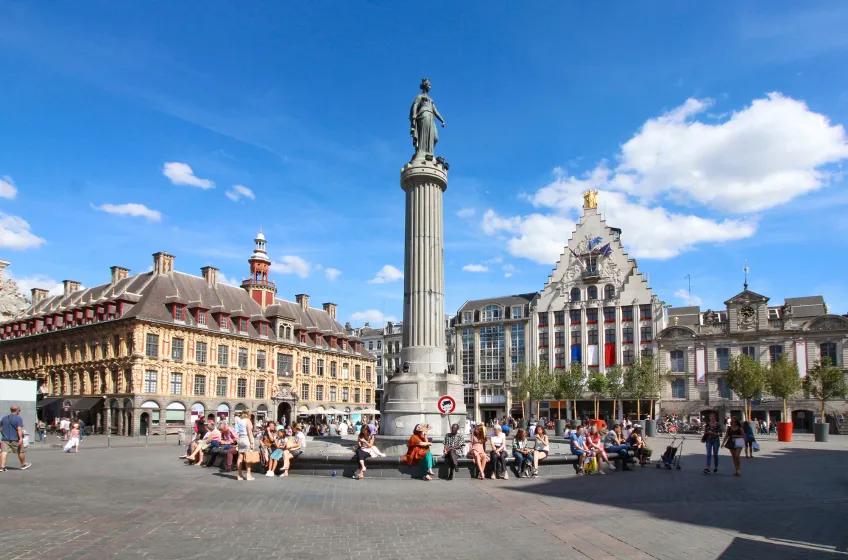
Lille’s Vieux-Lille is a stunning district full of cobbled lanes, red-brick townhouses, independent boutiques, and bustling cafés. Don’t miss the Grand’ Place, the Vieille Bourse (Old Stock Exchange), and the impressive Palais des Beaux-Arts, one of France’s finest art museums. The area comes alive with students, shoppers, and visitors soaking up the Flemish-inspired architecture and laid-back charm.
Belfry of Douai
This UNESCO-listed belfry is one of the most iconic in Nord, with a carillon of 62 bells that chimes throughout the day. Douai itself is rich in medieval architecture and was once a powerful stronghold of the Spanish Netherlands. Climb the belfry for panoramic views and a taste of local history.
Dunkirk (Dunkerque)
On the North Sea coast, Dunkirk is best known for the dramatic events of 1940’s Operation Dynamo. Today, you can explore the Musée Dunkerque 1940, walk along the Malo-les-Bains beach, or visit the port and admire its mix of industrial activity and maritime heritage. The city also boasts a quirky and flamboyant carnival each winter, which is one of the most unusual in France.
Cassel
A charming hilltop town, Cassel offers some of the best views in Nord. It’s officially one of the “Plus Beaux Villages de France” and features the Museum of Flanders, windmills, cobbled streets, and excellent local eateries. It’s a lovely place to experience traditional Flemish life.
Valenciennes
Once a major industrial and artistic centre, Valenciennes combines elegant classical architecture with modern energy. The Musée des Beaux-Arts has an impressive collection of paintings and sculptures, while the town’s riverside parks and restored town centre make it ideal for relaxed wandering.
Lewarde Mining History Centre
Situated near Douai, this is the largest mining museum in France and provides a deep dive into the working lives of the region’s miners. Visitors can explore real underground galleries and learn about the social, economic, and cultural impact of coal mining in Nord.
Bergues
Just a short drive from Dunkirk, Bergues is a fortified town surrounded by ramparts and canals. Made famous by the French film “Bienvenue chez les Ch’tis”, it’s a picturesque spot with a carillon-filled belfry, traditional estaminets (local cafés), and a relaxed village atmosphere.
Saint-Amand-les-Eaux
This thermal spa town is known for its beautiful abbey tower, the last remnant of a large Benedictine monastery. The town also offers wellness centres and forest walks, making it a peaceful retreat.
Roubaix
Once a textile powerhouse, Roubaix is reinventing itself as a creative and cultural hub. La Piscine, the Museum of Art and Industry housed in a former Art Deco swimming pool, is one of the most unique museums in France. The town also has factory outlet shopping and an urban edge that’s increasingly popular with young creatives.
Wazemmes Market, Lille
Held every Sunday, Wazemmes Market is one of the largest and most vibrant in France. It’s a sensory overload of fresh produce, clothes, spices, and street music. A great place to sample regional specialities or pick up a bargain.
Avesnois Regional Natural Park
Located in the south-east of Nord, this park is a patchwork of forests, rivers, hedgerows, and traditional villages. It’s a peaceful area ideal for walking, cycling, and wildlife spotting. The local cheese, Maroilles, originates here—perfect for a picnic in the countryside.
Arleux and the Garlic Festival
This small town near Douai is known for its smoky garlic, traditionally smoked over peat. Each August, Arleux hosts a garlic fair complete with parades, food stalls, and local crafts—perfect for a unique cultural experience.
Bailleul
Another charming Flemish town, Bailleul is known for its carillon tower, lively carnival, and a regional museum that explores Flemish traditions and folklore. The town also offers a warm welcome and picturesque surroundings.
Maubeuge Zoo
For families, Maubeuge Zoo offers an enjoyable day out with over 300 animals and leafy enclosures set in the historic fortress grounds designed by Vauban. It’s a good balance of education and entertainment in a tranquil setting.
Practical Advice for Visitors
Getting There
Lille is a major transport hub, with high-speed TGV trains linking it to Paris in just over an hour, and Eurostar services from London via the Channel Tunnel. Other towns in Nord, such as Dunkirk, Valenciennes, and Douai, are easily reached by regional trains or by car via the A1, A25, and A23 motorways. For those driving from the UK, the ferry to Calais is a convenient entry point, followed by a short drive eastward.
Parking
Larger towns like Lille, Dunkirk, and Valenciennes offer plenty of underground and municipal car parks. In historic centres, look for park-and-ride services or car parks just outside the central pedestrian areas. Coastal spots like Dunkirk can fill up fast in summer, so plan to arrive early.
Dining
Nord's cuisine is hearty and full of character. Try Maroilles cheese (often baked into tarts or quiches), carbonnade flamande (beef stewed in beer), and potjevleesch (cold meat terrine). Estaminets across the region offer regional dishes and locally brewed bière de garde. For dessert, try speculoos-flavoured sweets or a Flemish waffle.
Shopping
From high-end boutiques in Lille to weekly markets in Douai and Bergues, there’s plenty to discover. Look out for local cheeses, craft beer, traditional ceramics, and smoked garlic from Arleux. Many towns also have artisan chocolate shops and pâtisseries worth a visit.
When to Visit
Spring and early autumn are perfect times to visit, with pleasant weather and vibrant local events. Summer is great for coastal visits and outdoor festivals, while winter brings festive lights and carnivals, especially in Bergues and Dunkirk. Each season shows off a different side of Nord.
Local Events
The Dunkirk Carnival (January to March) is one of the quirkiest and most colourful in France. Lille’s Braderie (early September) is Europe’s largest flea market, drawing millions of bargain hunters. Traditional festivals in Cassel, Arleux’s Garlic Fair, and carillon concerts in towns like Bergues bring a lively, local flavour to any visit.
Exploring Beyond Nord
While Nord has plenty to keep you busy, it’s also well-placed for short trips to nearby departments like Pas-de-Calais or for cross-border jaunts into Belgian Flanders. Within Nord itself, villages like Godewaersvelde, Esquelbecq, and Sars-Poteries offer further charm, great hiking, and local crafts.
Nord is a richly layered region with a strong identity and an open-hearted welcome. Whether you're exploring cobbled streets, relaxing by the sea, or diving into a bowl of Flemish stew, you're sure to find something memorable in this vibrant corner of northern France.
Shortlist
- Your Shortlist is empty