
Discover Cambrai | A Visitor's Introduction to Cambrai
Cambrai is a historic town in the Nord department of northern France, celebrated for its medieval centre, fortified heritage, and pivotal role in both world wars. Known for its elegant cobbled streets, renowned mustard, and imposing fortifications, this intimate city is perfect for history enthusiasts, military buffs, and anyone seeking a genuine taste of authentic French life. With its blend of architectural charm, cultural attractions, and riverside tranquillity, Cambrai offers a compelling and understated northern getaway.
Recommended Cambrai Accommodation: Hotels Bed & Breakfasts
Why is Cambrai Worth a Visit?
Cambrai is worth visiting for its fusion of medieval and military history, refined cultural scene, and lively yet relaxed riverside character. Once an important episcopal see and artistic hub, the town retains many architectural treasures—from its Gothic cathedral to defensive ramparts. Its mustard legacy gives it a culinary edge too.
Beyond history, Cambrai is infused with a serene feel thanks to the Scheldt river and welcoming cafés that line its banks. The city honours its wartime past through memorials and museums, yet remains focused on local life, good food, and community spirit. If you appreciate heritage, gentle walks, and regional specialities in a peaceful, walkable setting, Cambrai offers a rewarding visit.
Cambrai Highlights: Things to See and Do in Cambrai
Cambrai Cathedral (Cathédrale Notre-Dame de Grâce)
This impressive Gothic cathedral dates to the 11th century but was reconstructed after wartime damage. Its soaring stone columns, richly coloured stained-glass windows, and Baroque altarpieces create a stunning interior. Don’t miss the carved choir stalls and peaceful chapels, perfect for quiet contemplation.
Porte Notre-Dame and Medieval Ramparts
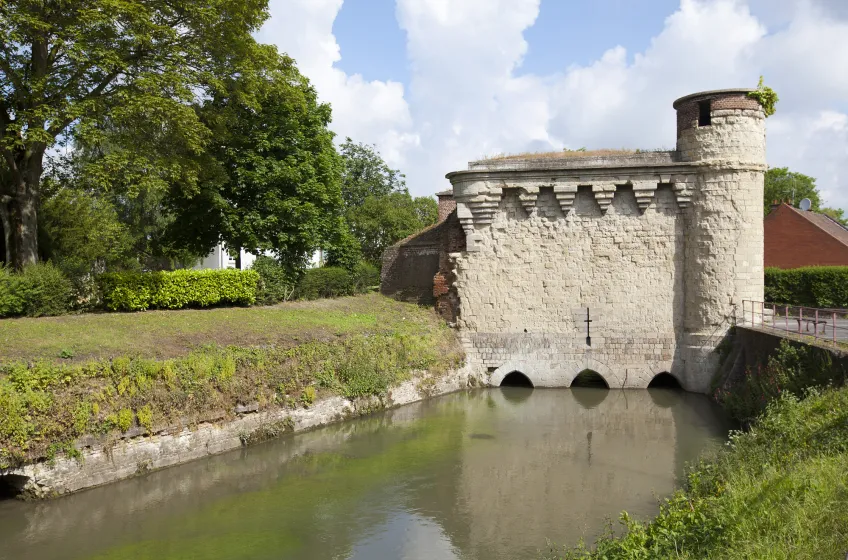
Cambrai’s Porte Notre-Dame is one of the best-preserved medieval gates in northern France. Walk beyond the gate to explore the city’s ancient ramparts, which now double as tree-lined promenades overlooking ornamental gardens and parkland.
Musée des Beaux-Arts et de la Dentelle
Housed in a former episcopal palace, this fine arts museum showcases Flemish and French paintings from the 17th to 19th centuries, as well as decorative arts. A special highlight is the lace gallery—Cambrai being known for its intricate lacework—with beautiful samples and tools from local workshops.
Espace Saint-Guillain
Once the former chapel of a hospital, this contemporary space now functions as an archaeological and art museum. Its archaeological displays trace regional history from Gallo-Roman times to modern days, while its upper levels host rotating art exhibitions.
Mustard Shops and Local Flavours
Cambrai gives its name to the original “moutarde de Cambrai”, and local delis continue the tradition. Stroll through the town centre and pop into specialist shops to sample rich mustard pastes, sauciers, and artisanal charcuterie. It’s a must-taste souvenir.
Scheldt River and Quai de l’Archevêché
A riverside stroll along the tranquil Scheldt brings you past former episcopal buildings, leafy quays, and historic facades. In summer, cafés and ice‑cream kiosks line the water, offering a pleasant spot to enjoy a drink.
World War I and II Memorials
Cambrai was a key battlefield in both world wars. A short walk from the centre sits a quiet war cemetery dedicated to Commonwealth soldiers. The Archives et Documentation militaire in the town holds wartime records and occasional exhibits. Events commemorate the town’s liberation each November.
Parc de la Victoire
This leafy multi‑acre park lies just outside the Old Town, complete with ponds, conifer groves, and walking paths. It’s the perfect place for a picnic or leisurely afternoon—especially during warmer months.
Covered Market – Les Halles Beffroi
Adjacent to Cambrai’s iconic belfry, this covered market thrives on Tuesdays, Fridays, and Saturdays. Local vendors sell cheese, vegetables, fruits, and regional treats. The area offers a deliberately low-key but authentically daily‑life feel.
Practical Advice for Visitors
Getting There
Cambrai is about 30 km southeast of Lille and is easily reached by TER train in under 45 minutes. By car, the A2 motorway connects it well to Lille, Valenciennes, and Paris. Cambrai also sits within reach of the Eurostar route via Lille or Arras.
Parking
Several free town-centre car parks are available near the cathedral and river. Limited paid parking exists around the ramparts and market area but is generally easy to find, even on market days.
Dining
The city offers a variety of dining options, from cosy bistros to fine-dining establishments. Local specialties include dishes flavoured with Cambrai mustard, hearty stews, and regional cheeses. For something sweet, try the couque de Cambrai, a crisp circular biscuit sold in local patisseries.
Shopping
Aside from mustard shops, Cambrai's centre has artisan bakeries, chocolate makers, and lace boutiques. Don’t miss visiting a local lace fabricier—you’ll discover why Cambrai’s lace once competed with Brussels and Chantilly.
When to Visit
Spring (April to June) and early autumn (September) are ideal, with pleasant light and bloom-filled gardens. Summer allows for riverside relaxation, while winter brings a quiet sense and occasional festive lights around Christmas. Two market days—Tuesdays and Saturdays—are the best for exploring local life.
Local Events
Cambrai hosts jazz concerts in summer evenings by the river, and a regional mustard fair in early spring celebrates local producers. Each 13 November, Remembrance Day ceremonies along the ramparts pay tribute to those lost in both world wars.
Exploring Beyond Cambrai
Cambrai makes a great base for exploring northern France. Visit the historic sites of the Somme and Nord-Pas-de-Calais regions, or take day-trips to Arras, Douai, or medieval Béthune. Lille’s vibrant cultural scene is only half an hour away—perfect for a combined city-and-countryside break.
Cambrai combines history, architecture, mellow waterways, and unique culinary traditions within a compact, peaceful setting. Whether tracing medieval walls, discovering lace‑making, or savouring regional mustard, this gem of northern France offers charm, authenticity, and plenty to explore.
Shortlist
- Your Shortlist is empty